The Right to Assemble
Protest as Voice
(Portions of this project have been published in various sources including a feature article entitled “Protesting a Broken System” in the Toledo City Paper in June, 2020. I am continuing to explore environmental intersectionalism on a bigger scope.)
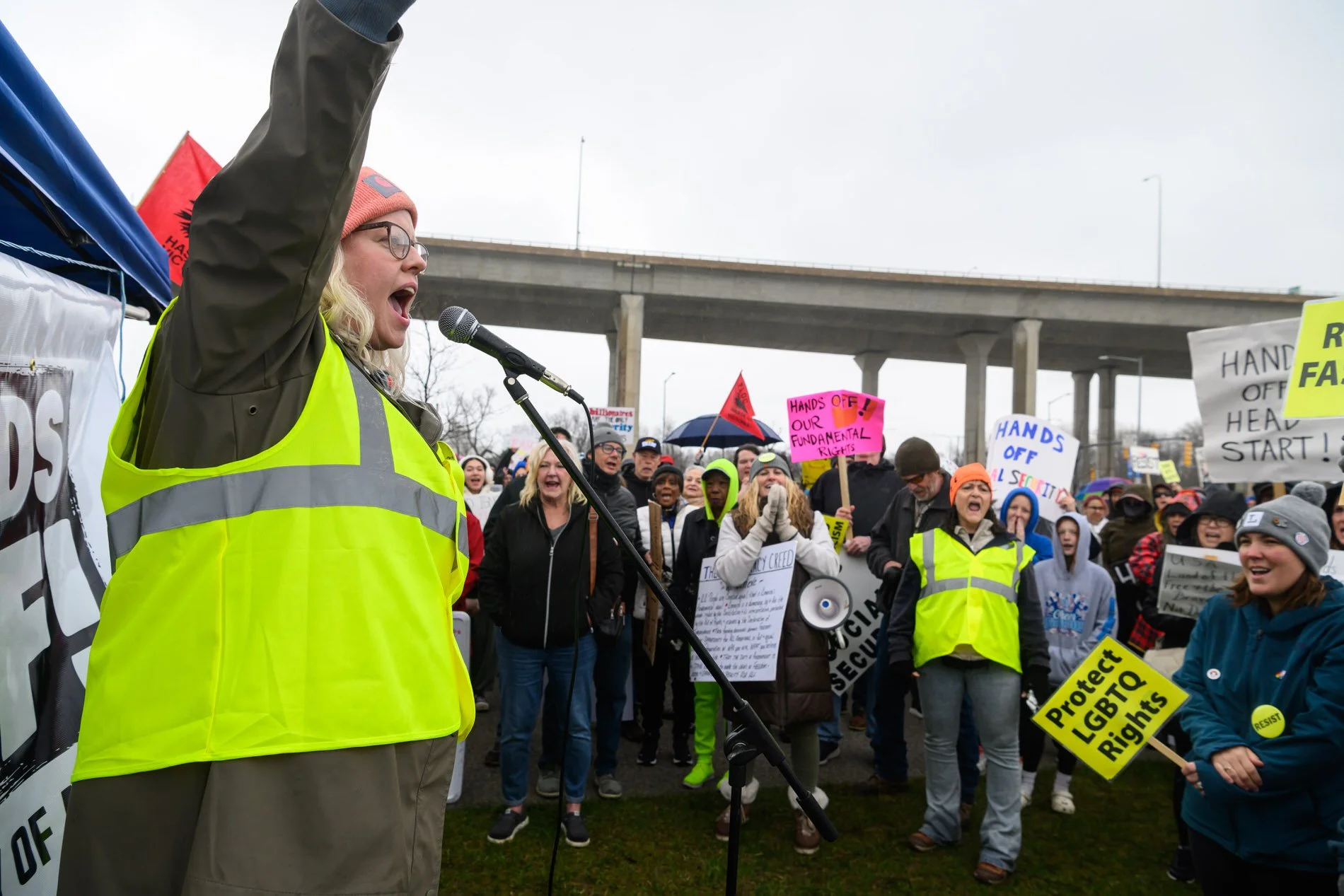
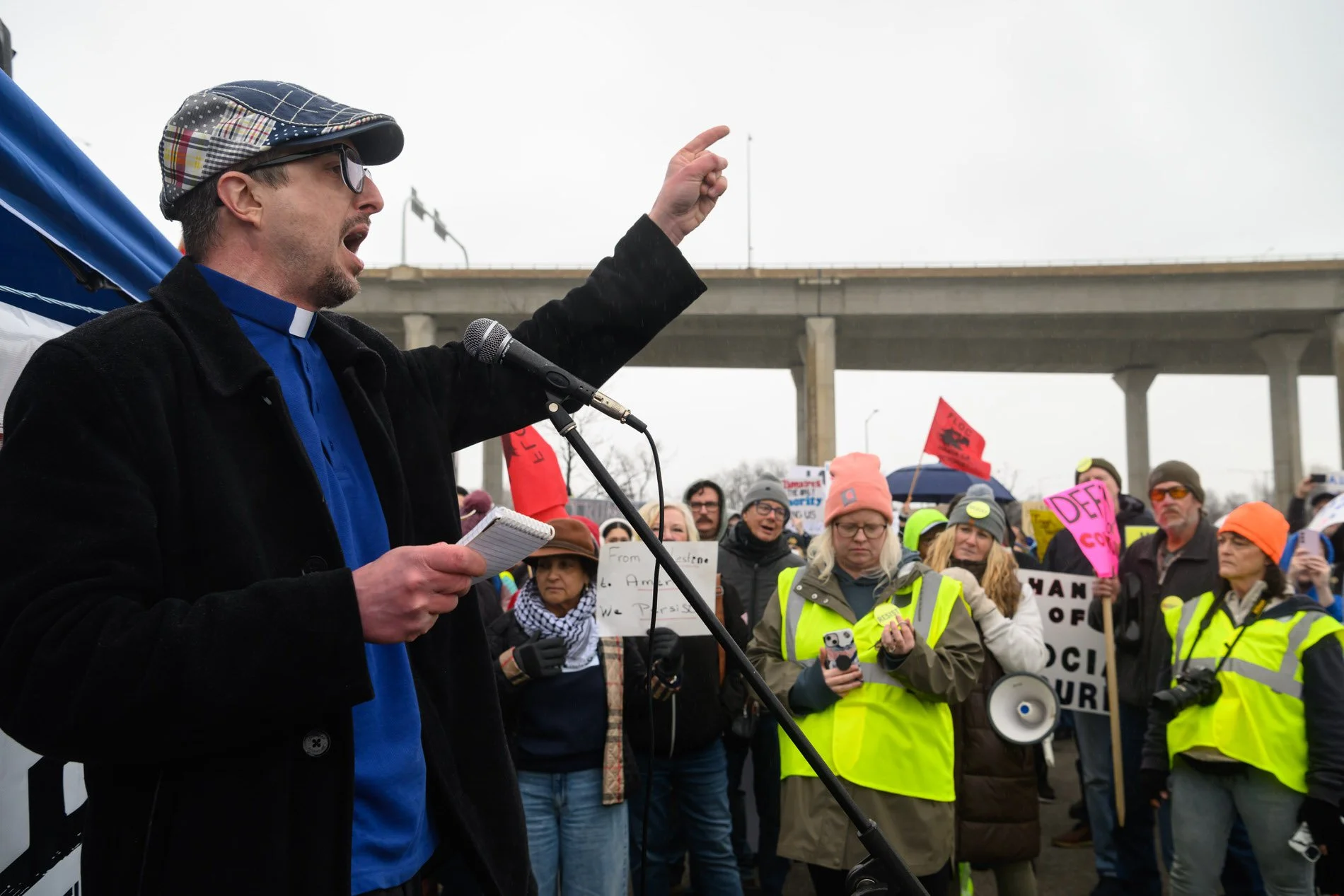
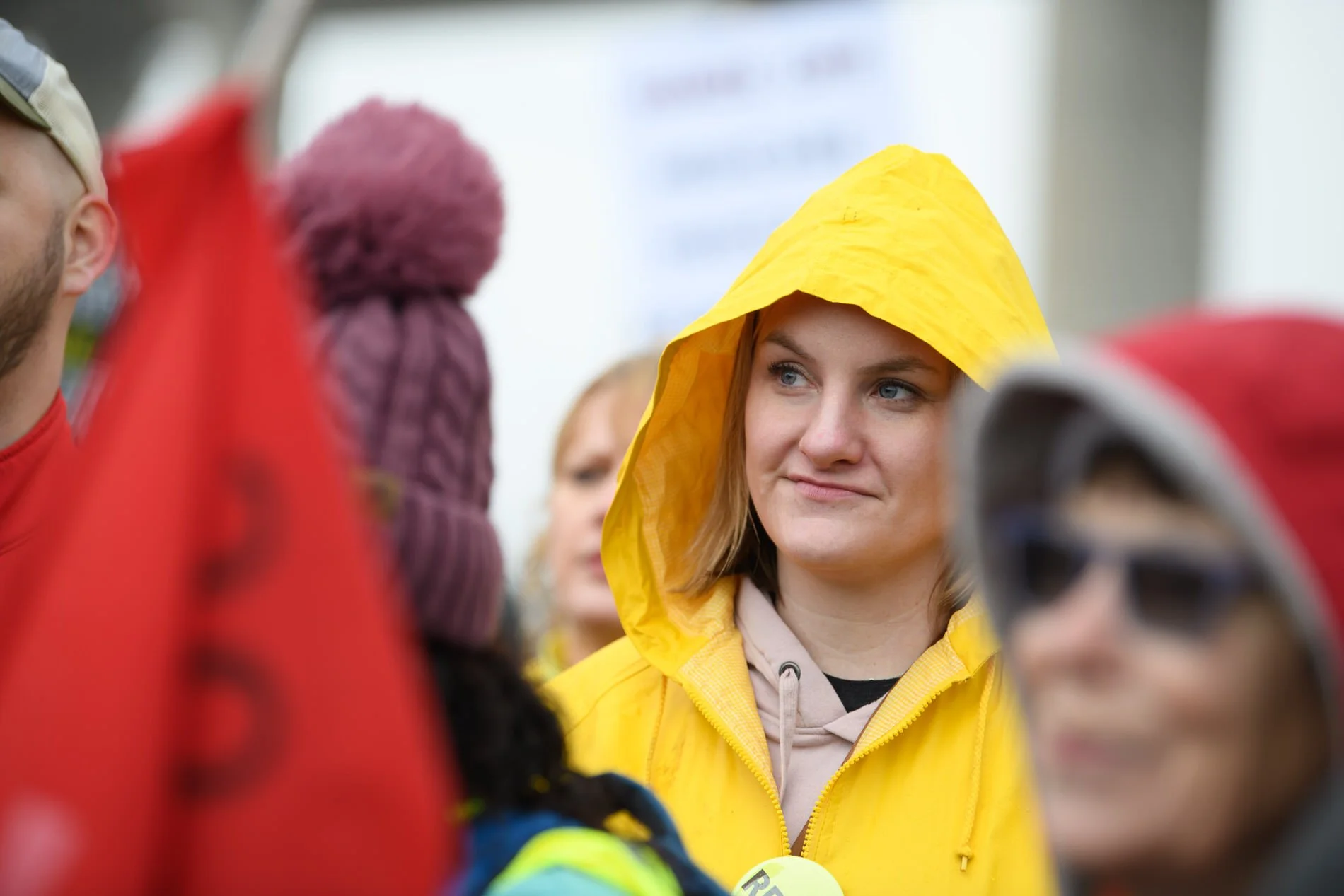
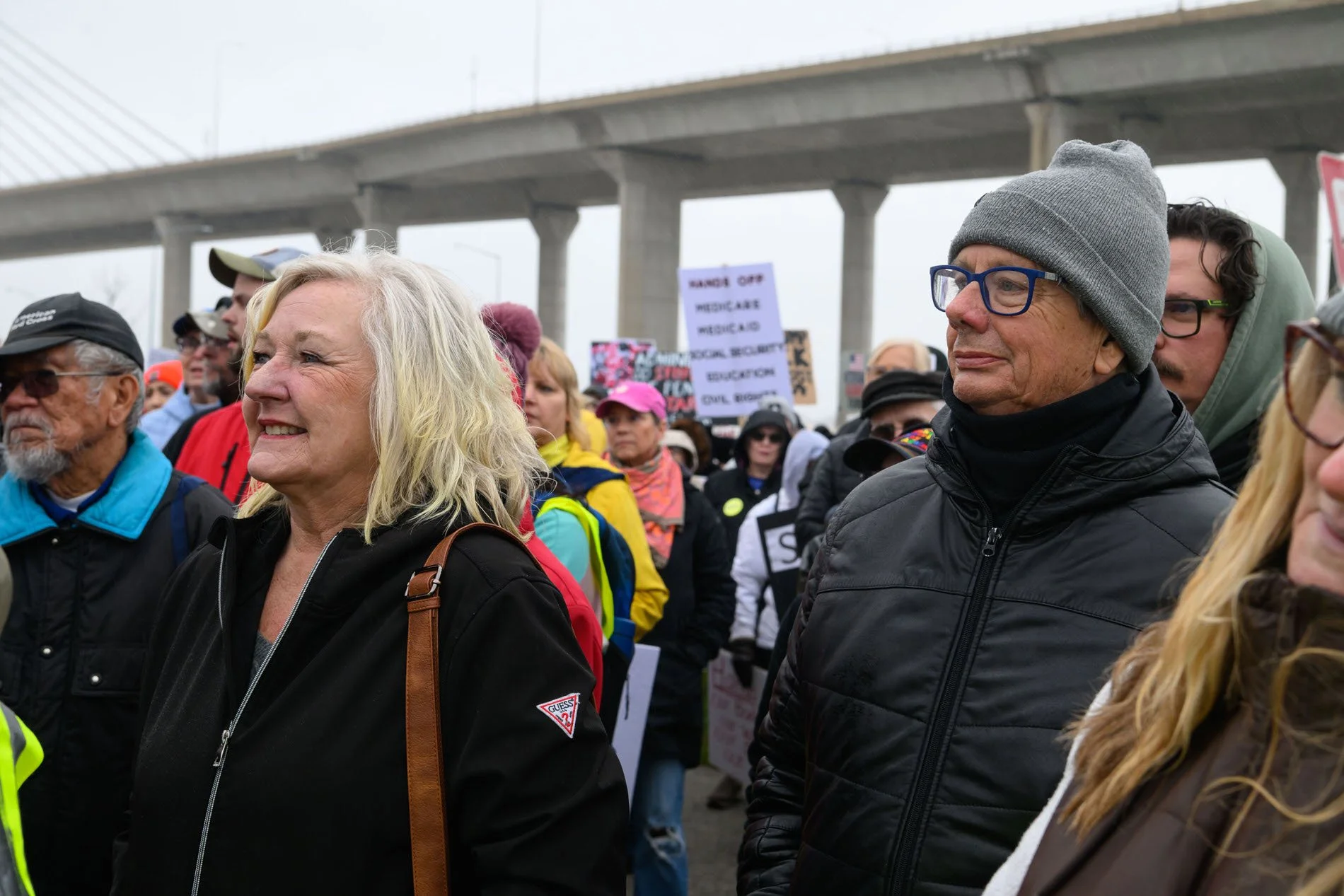
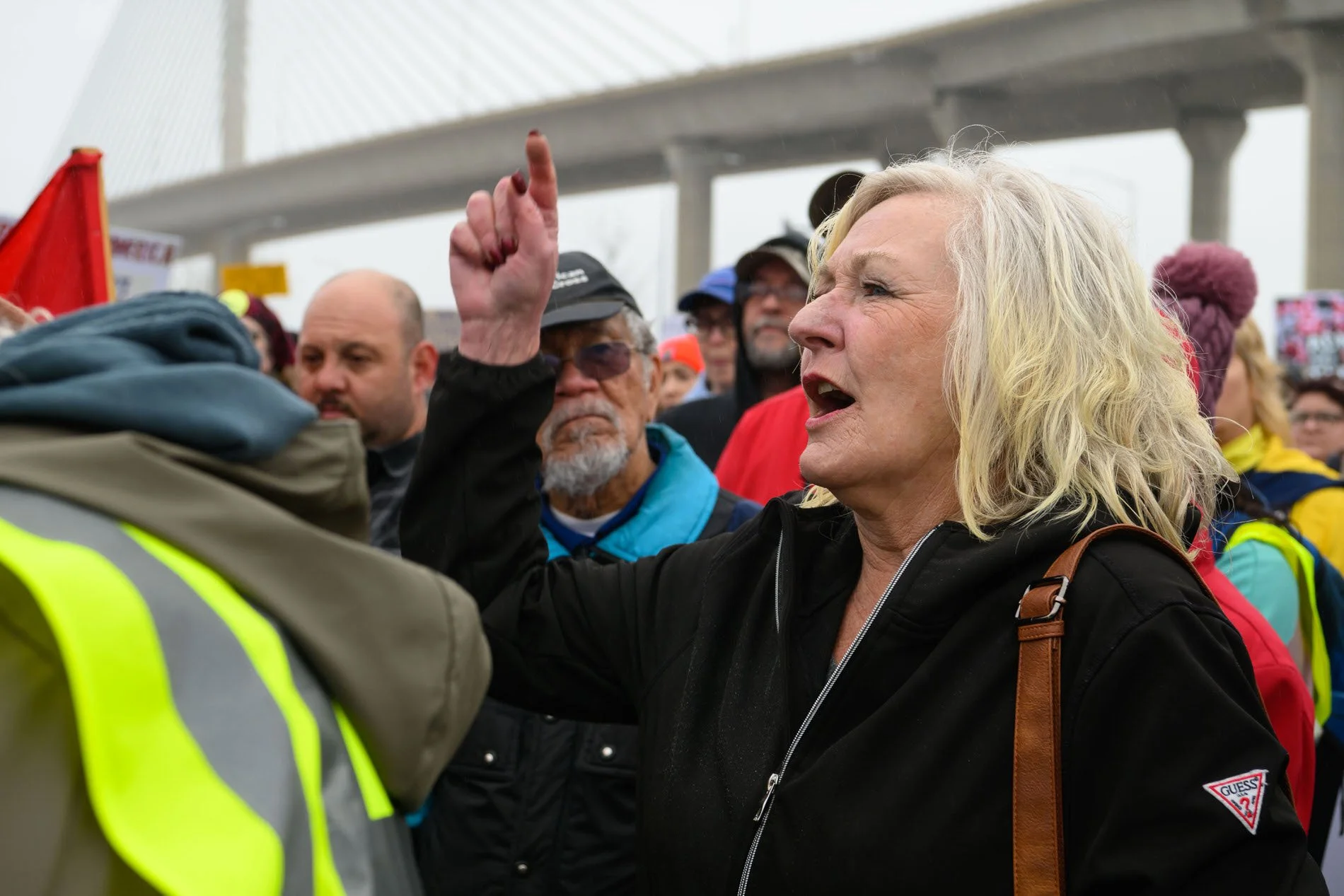
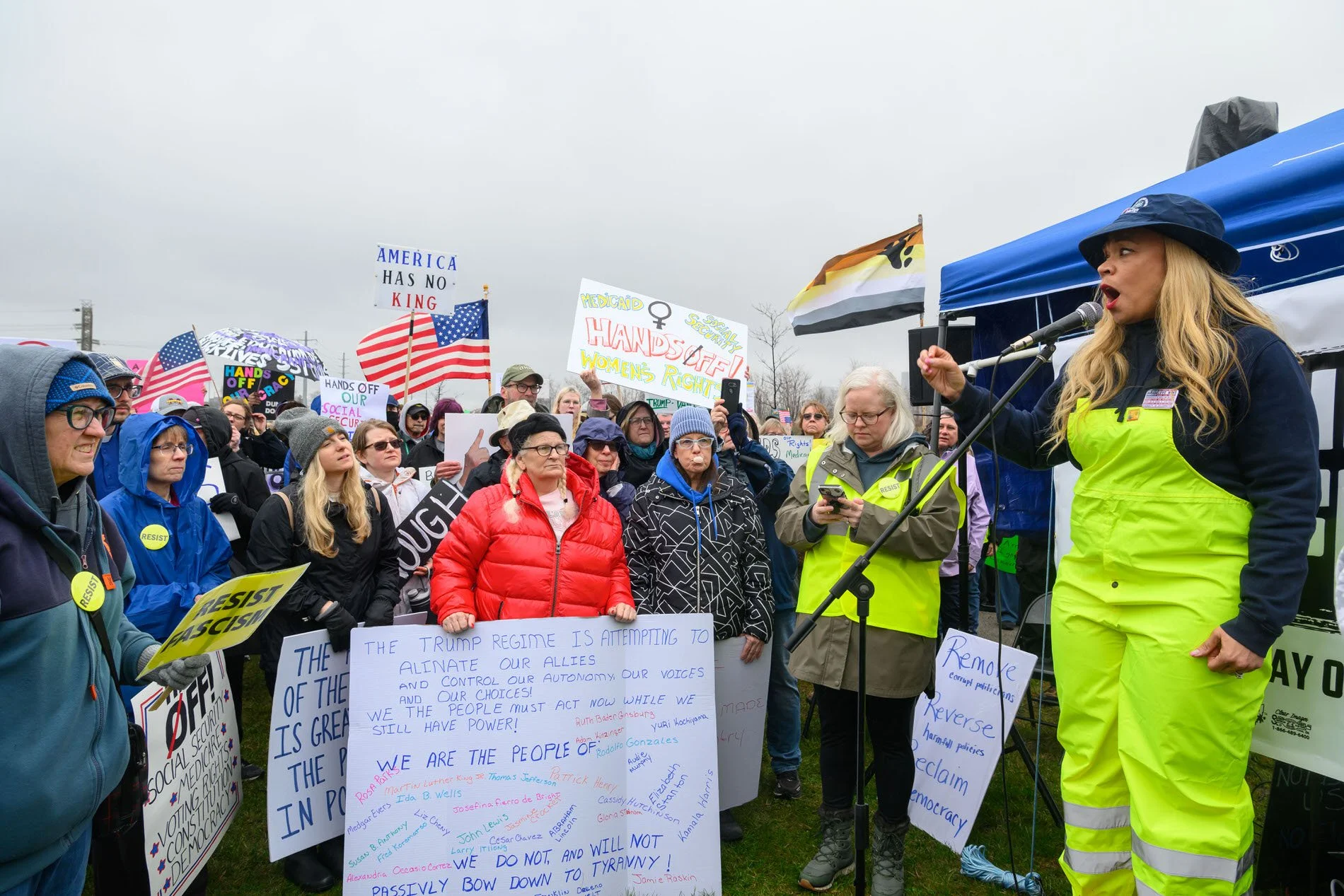
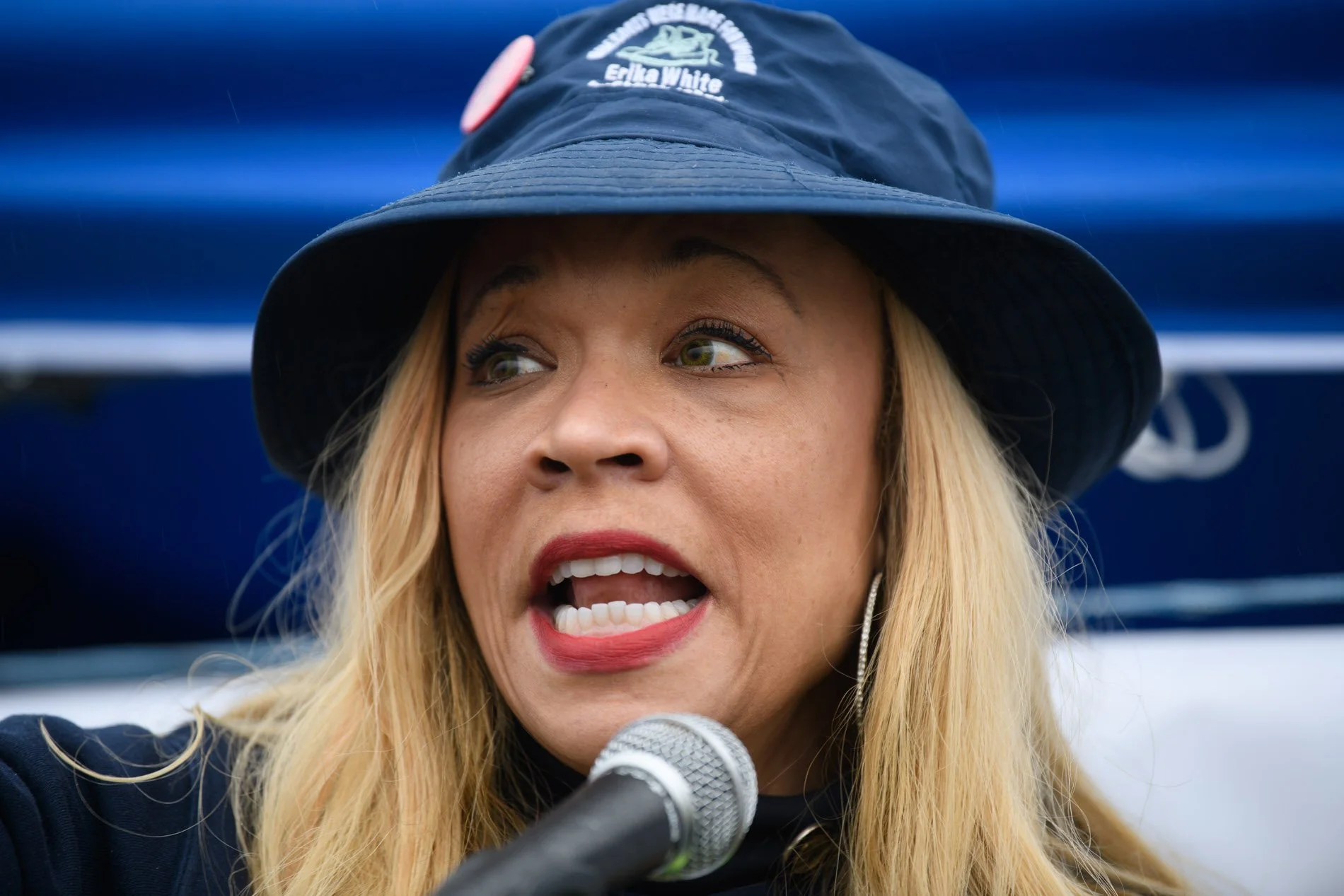
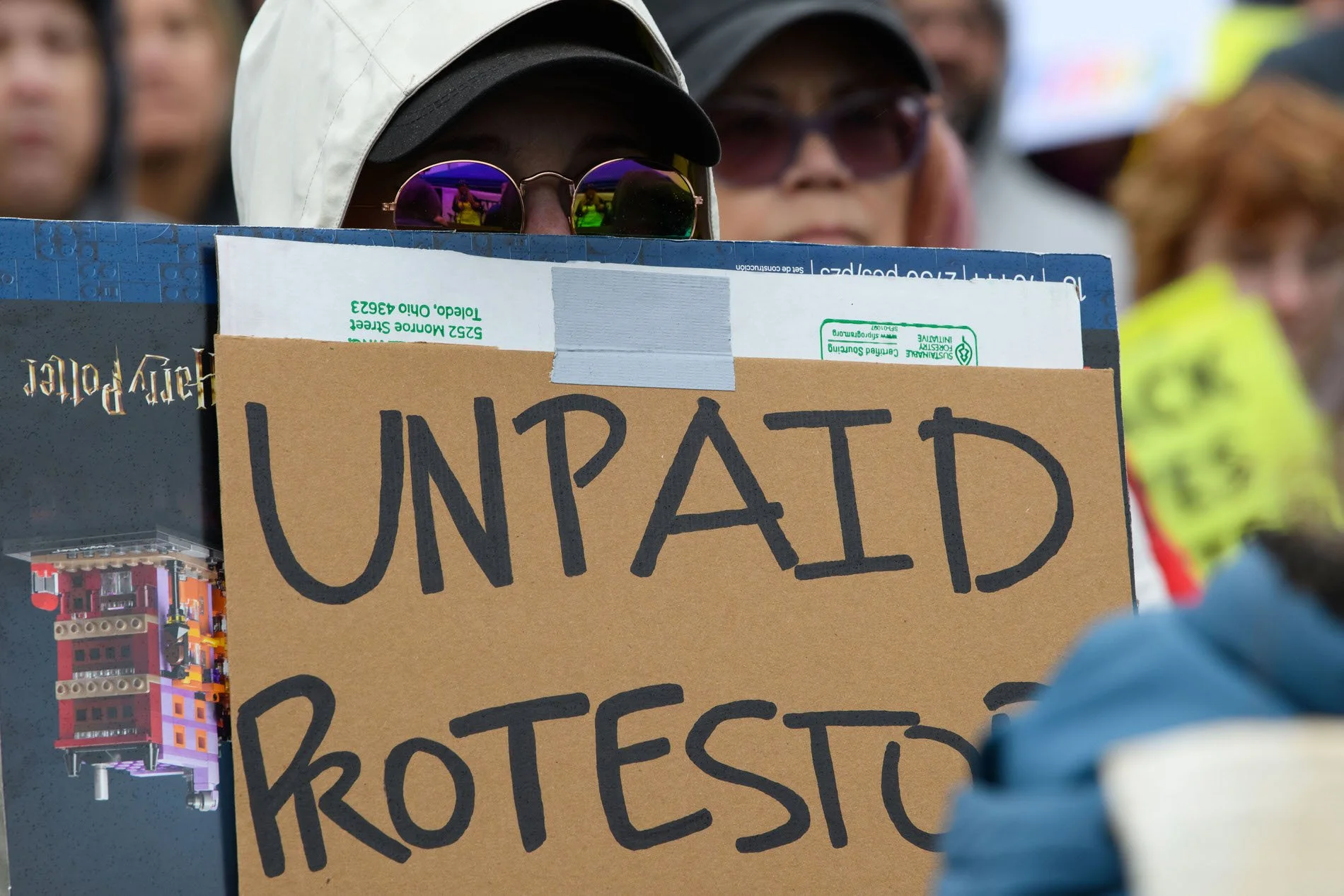
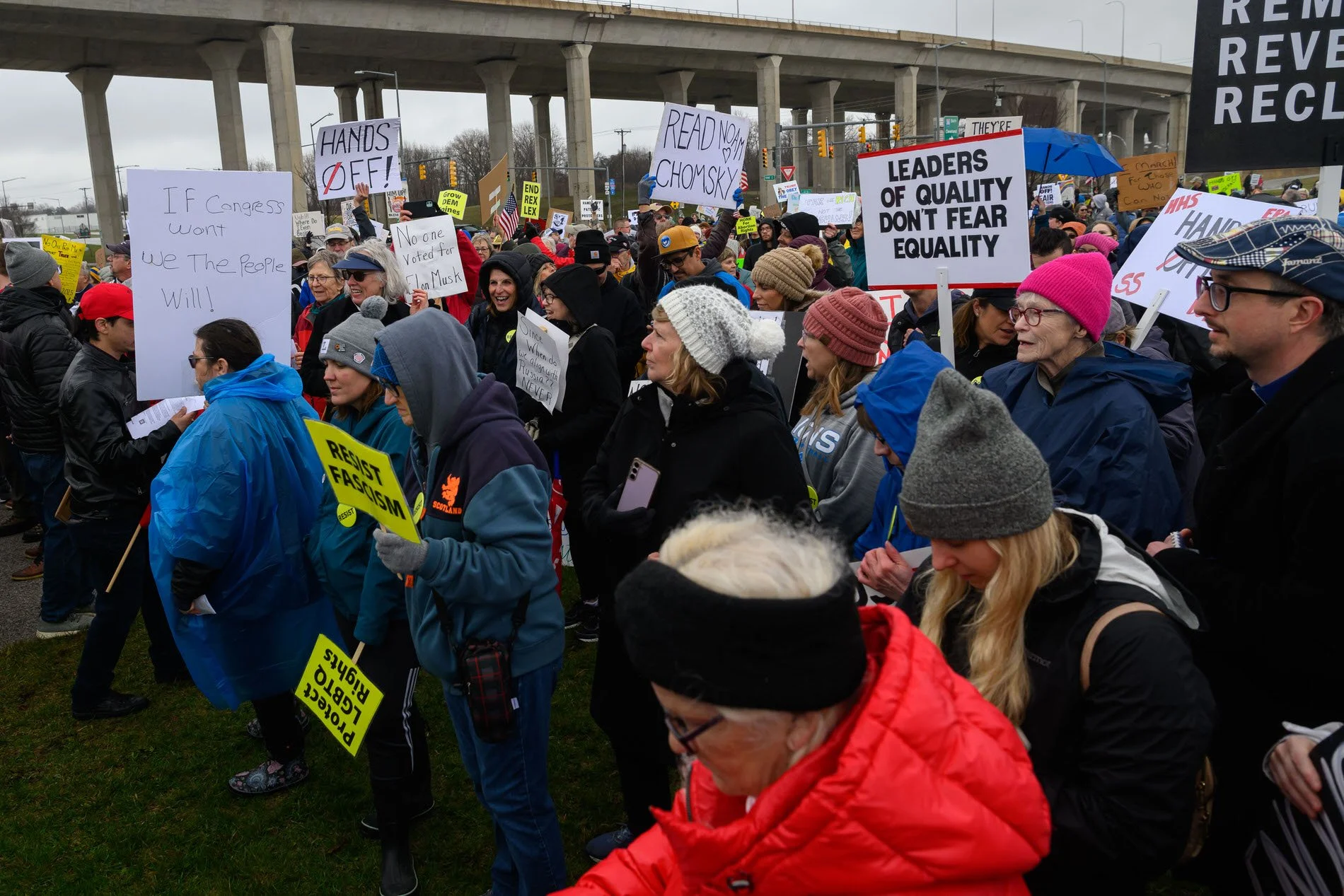
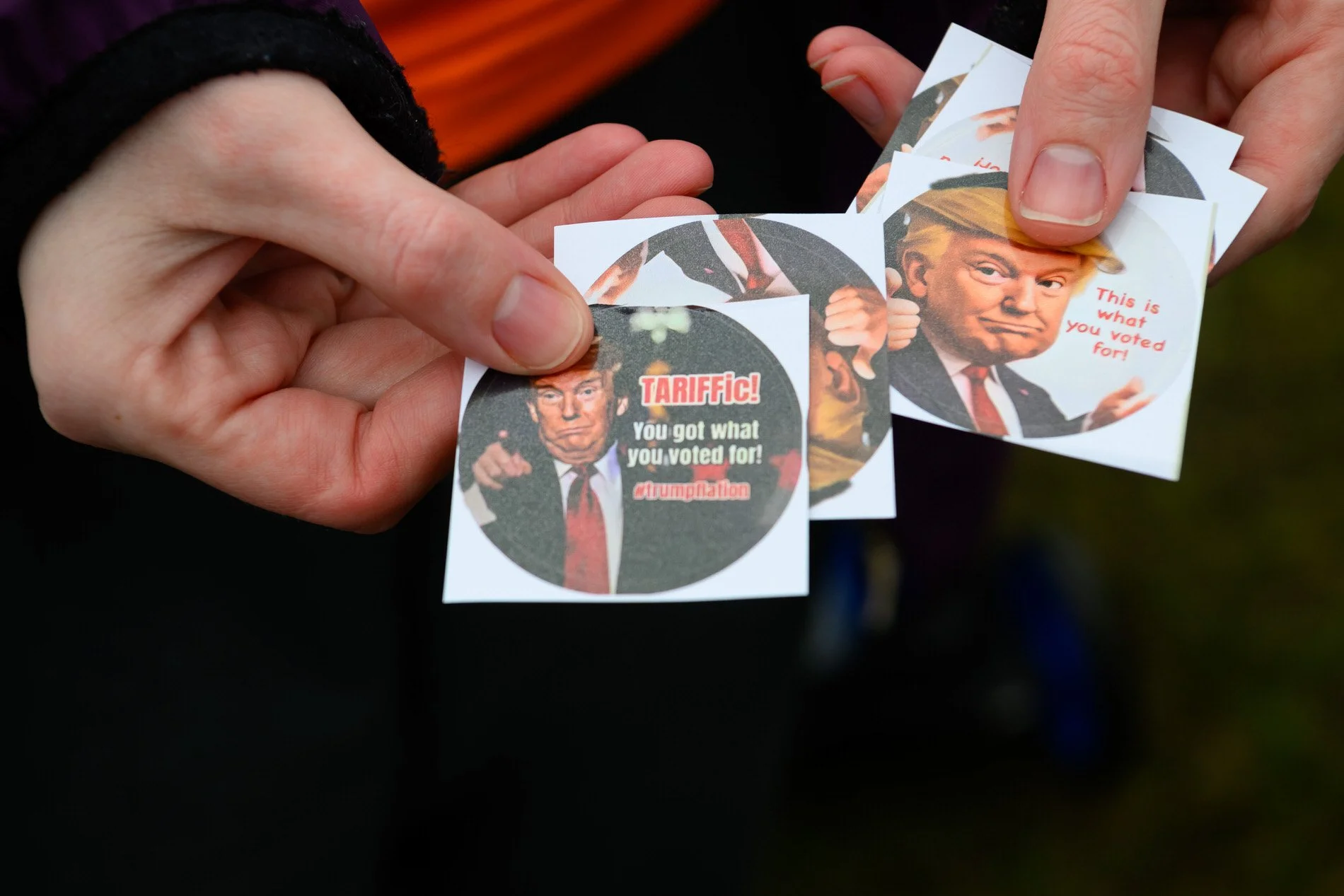
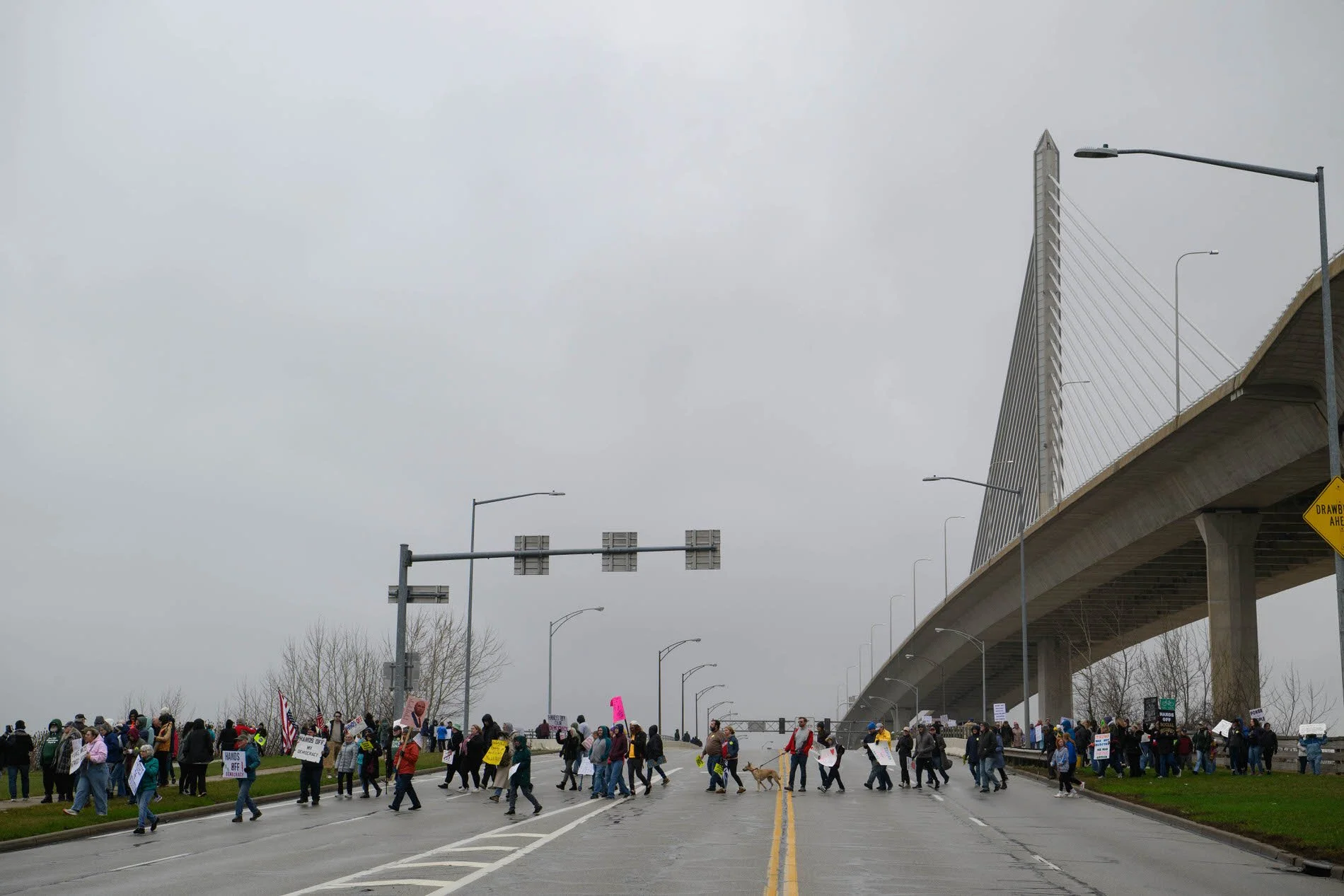
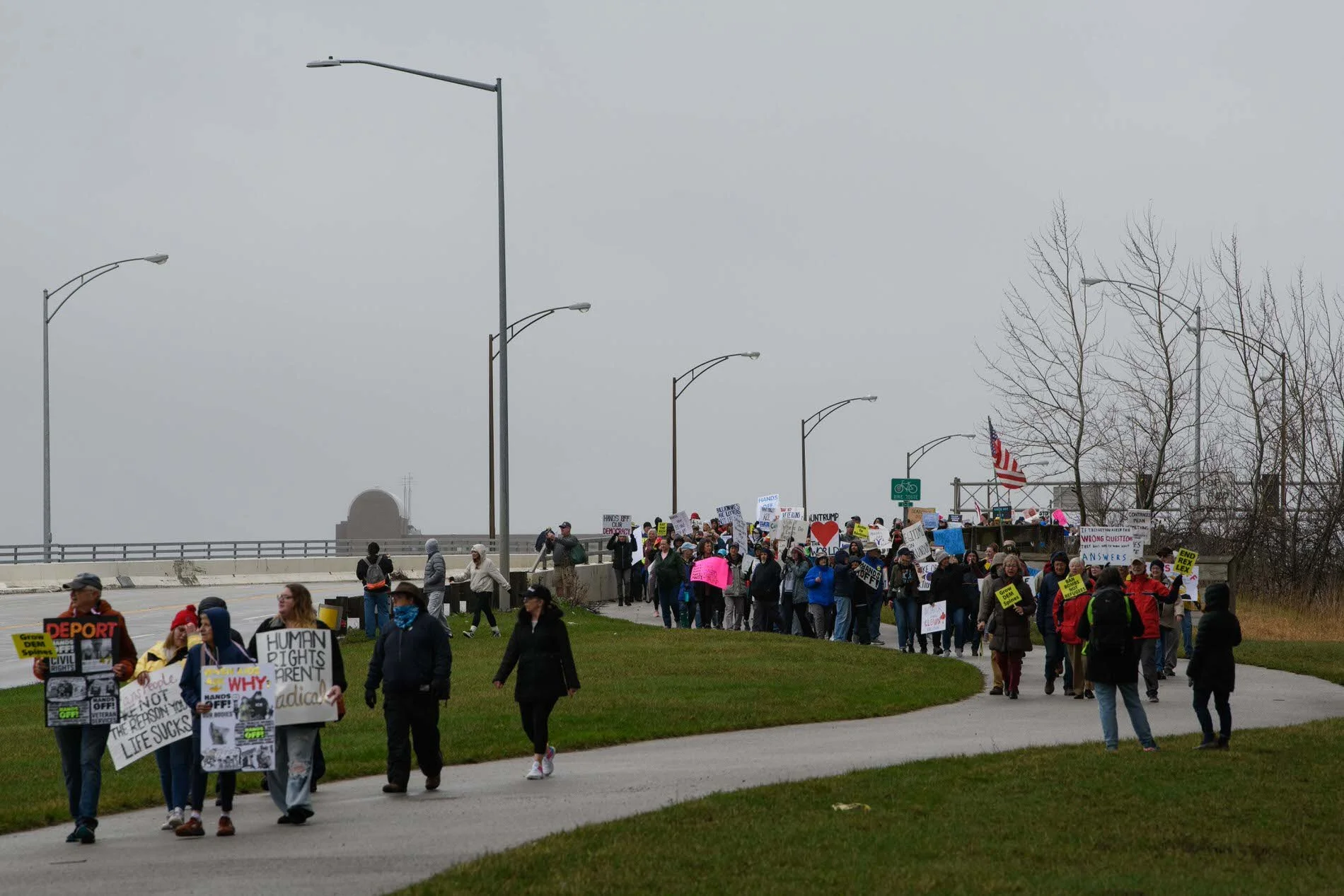
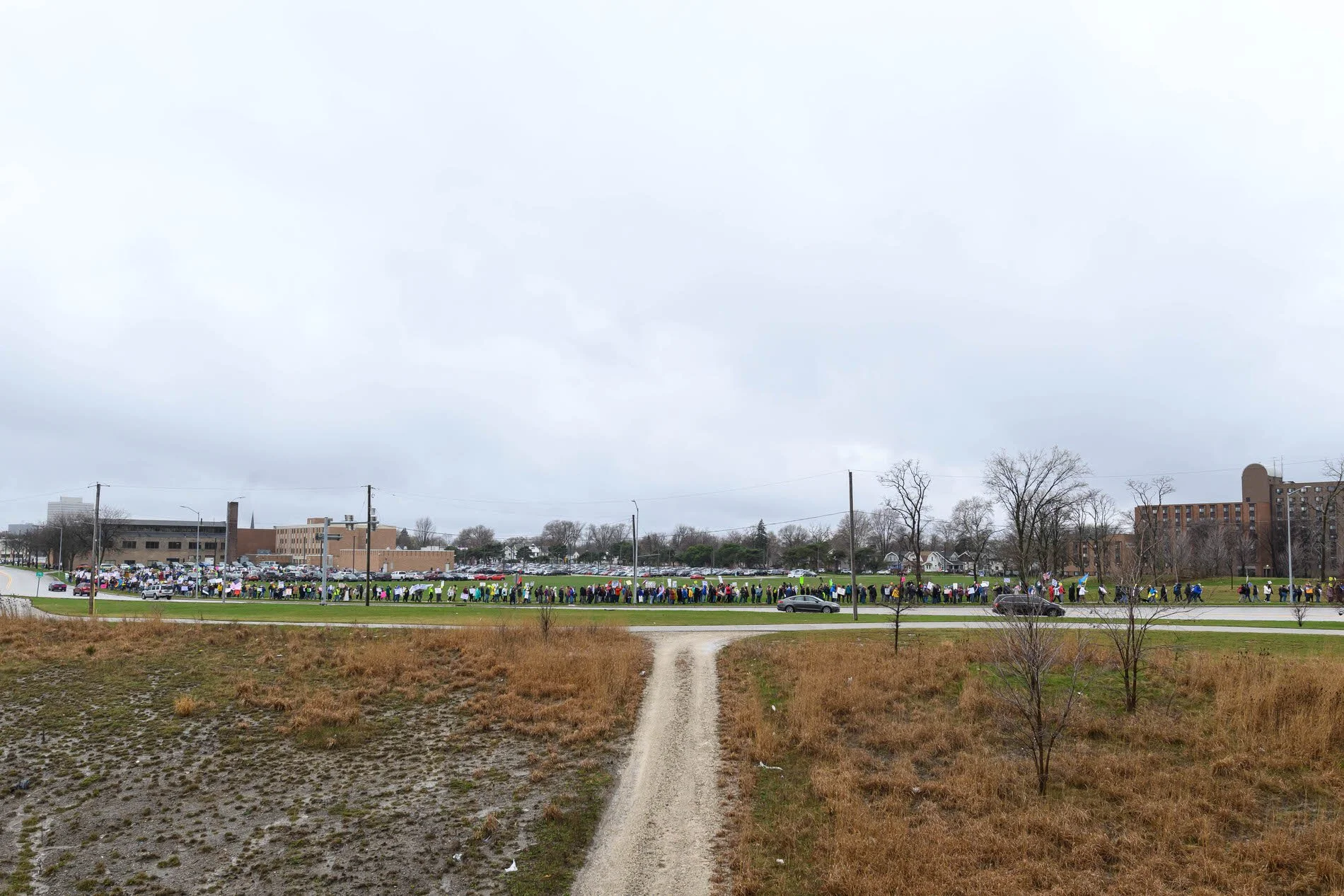
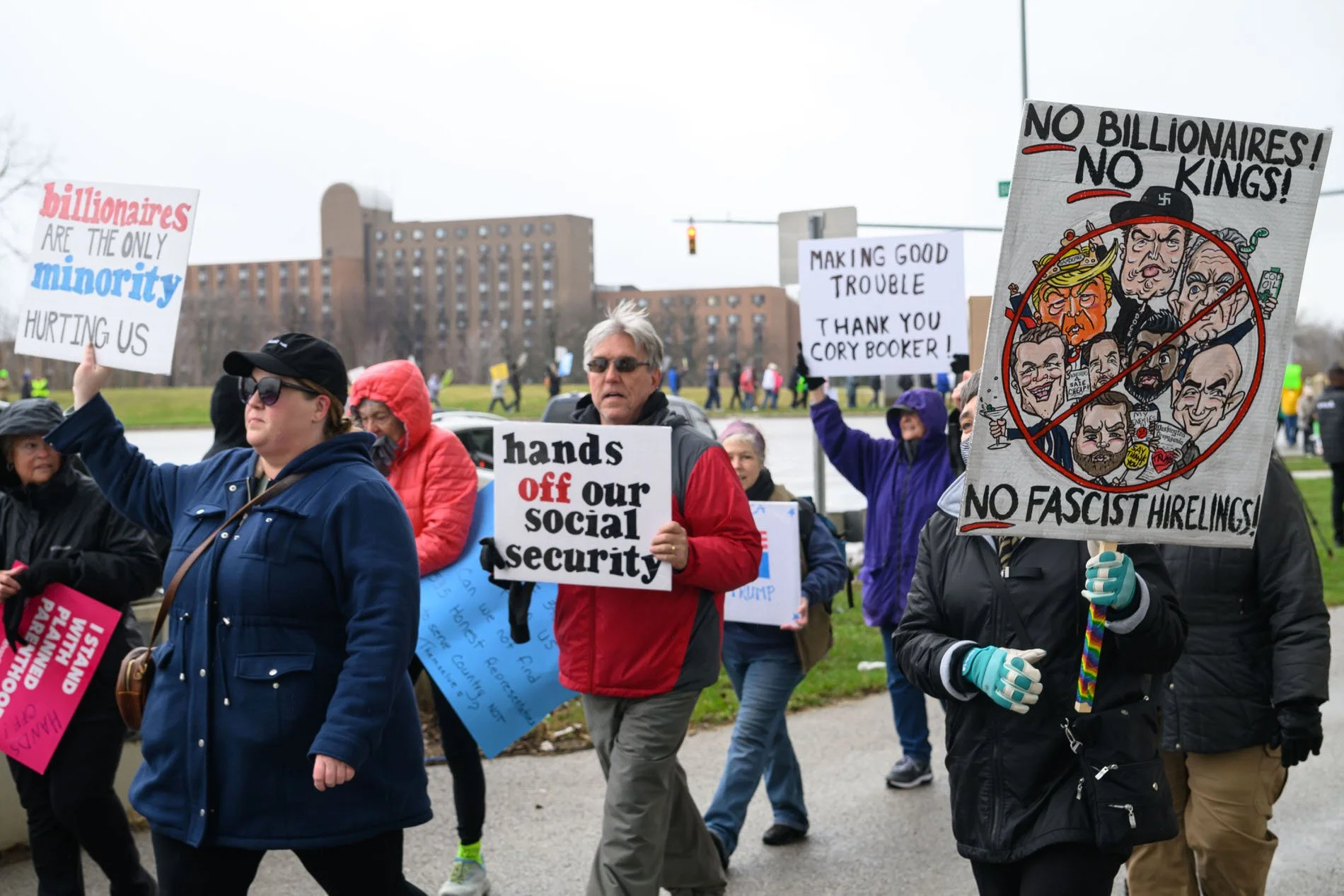
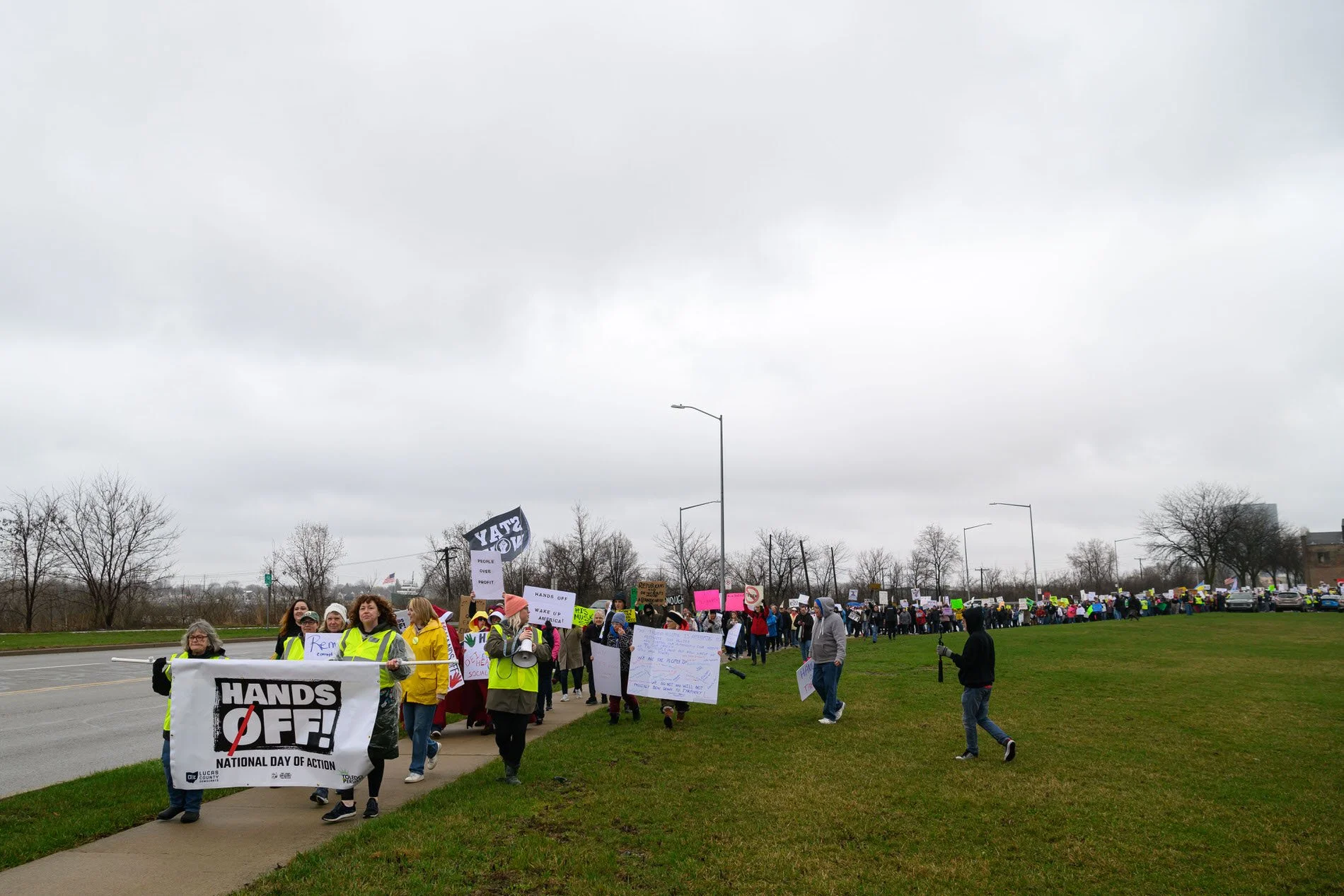
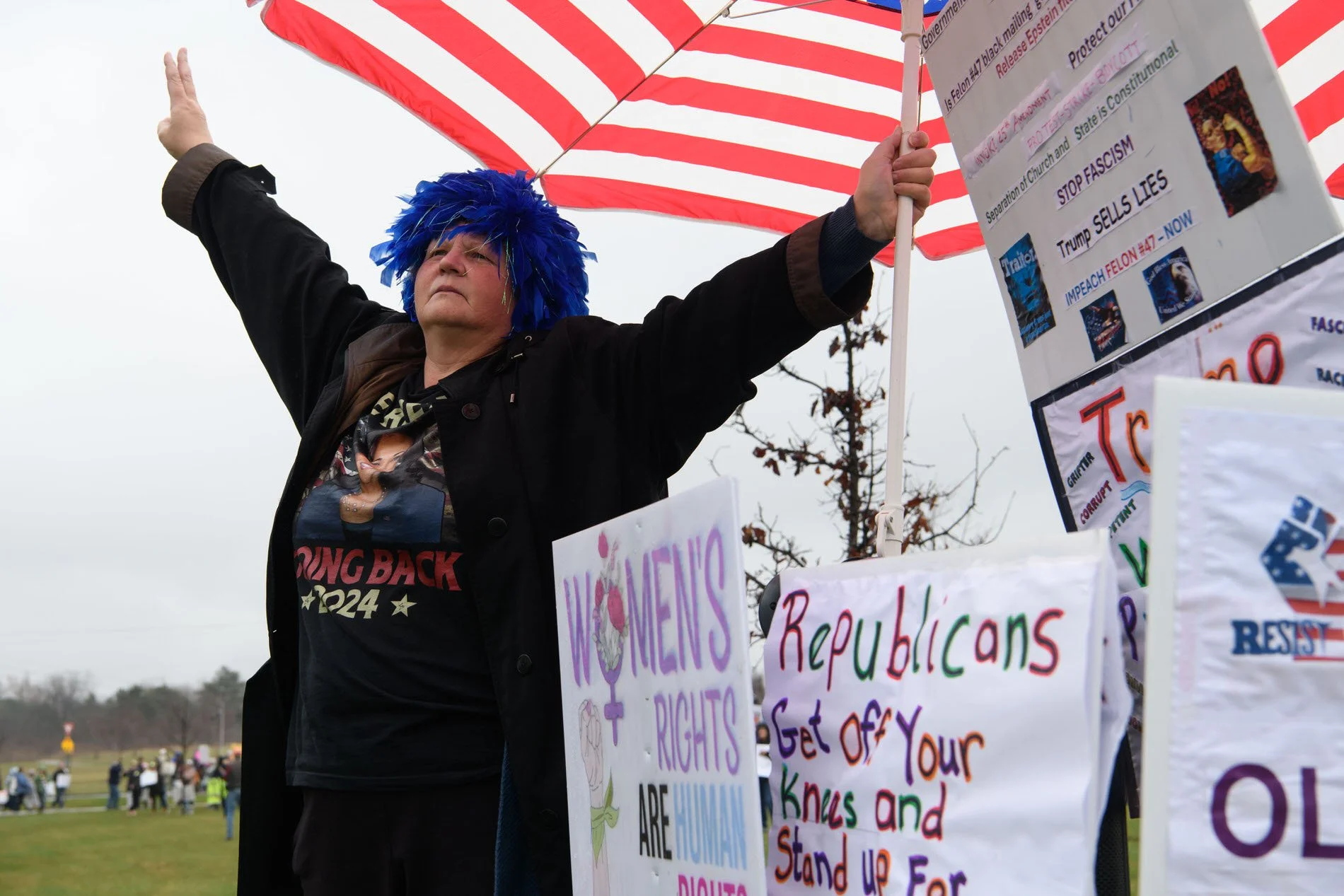
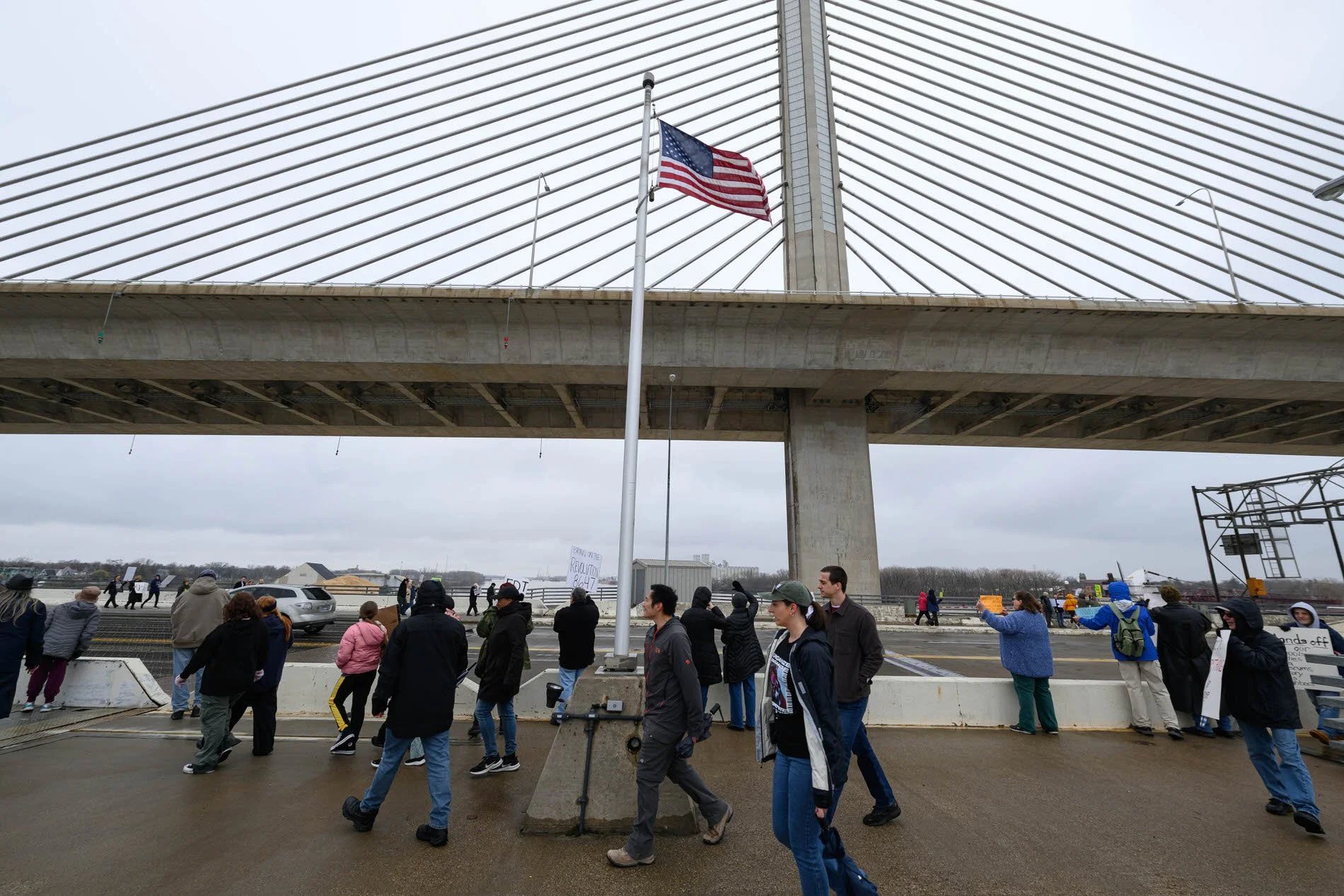
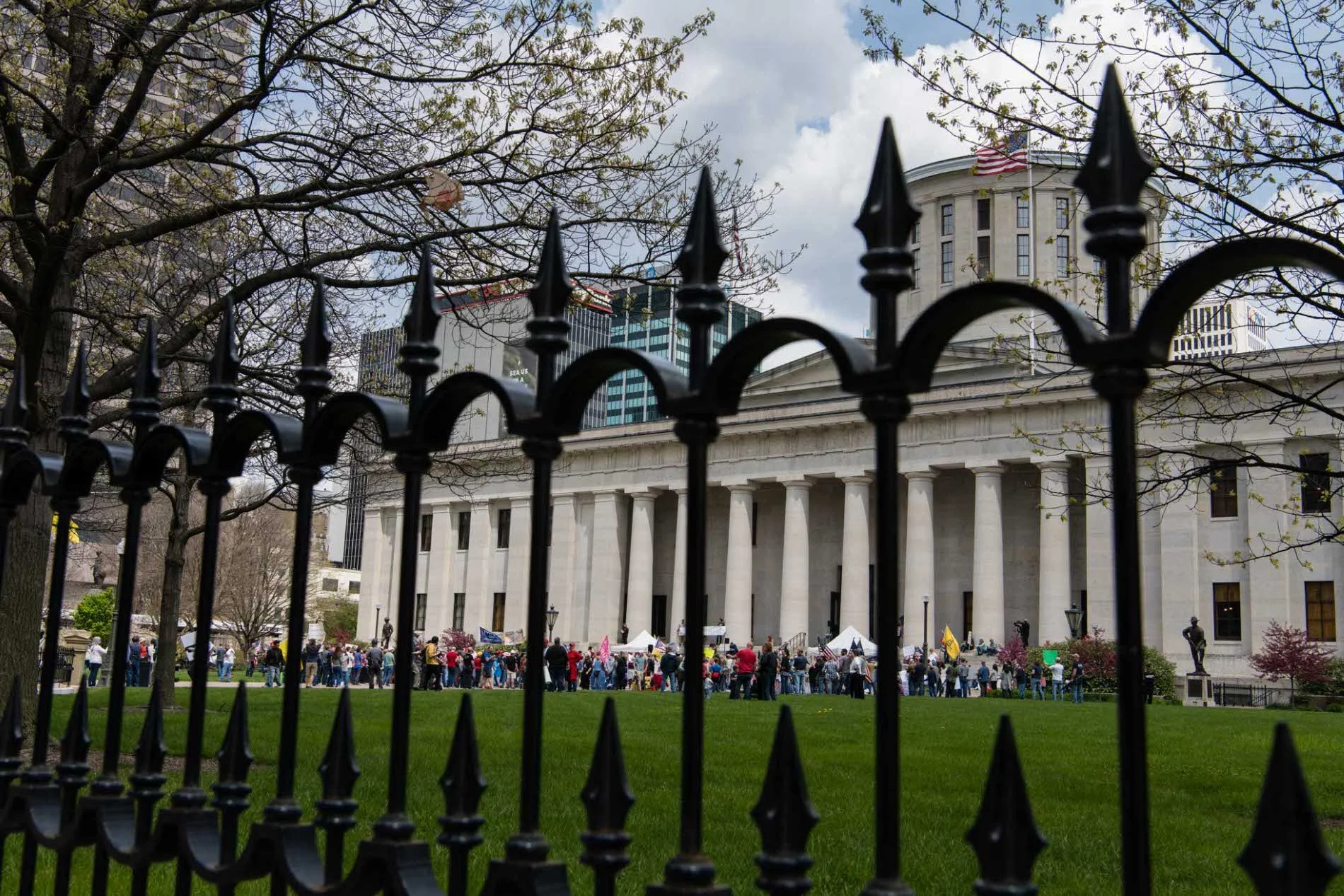
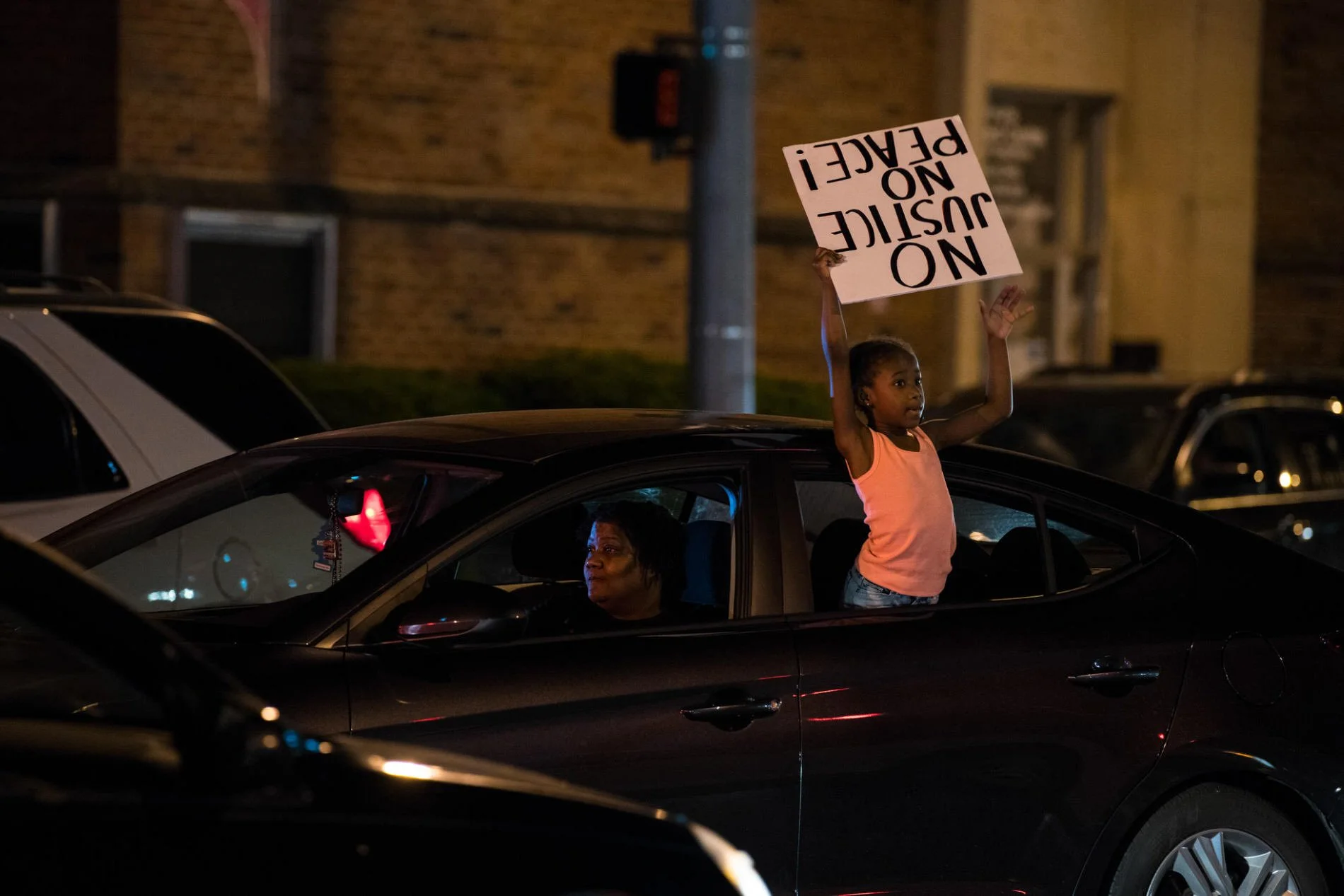
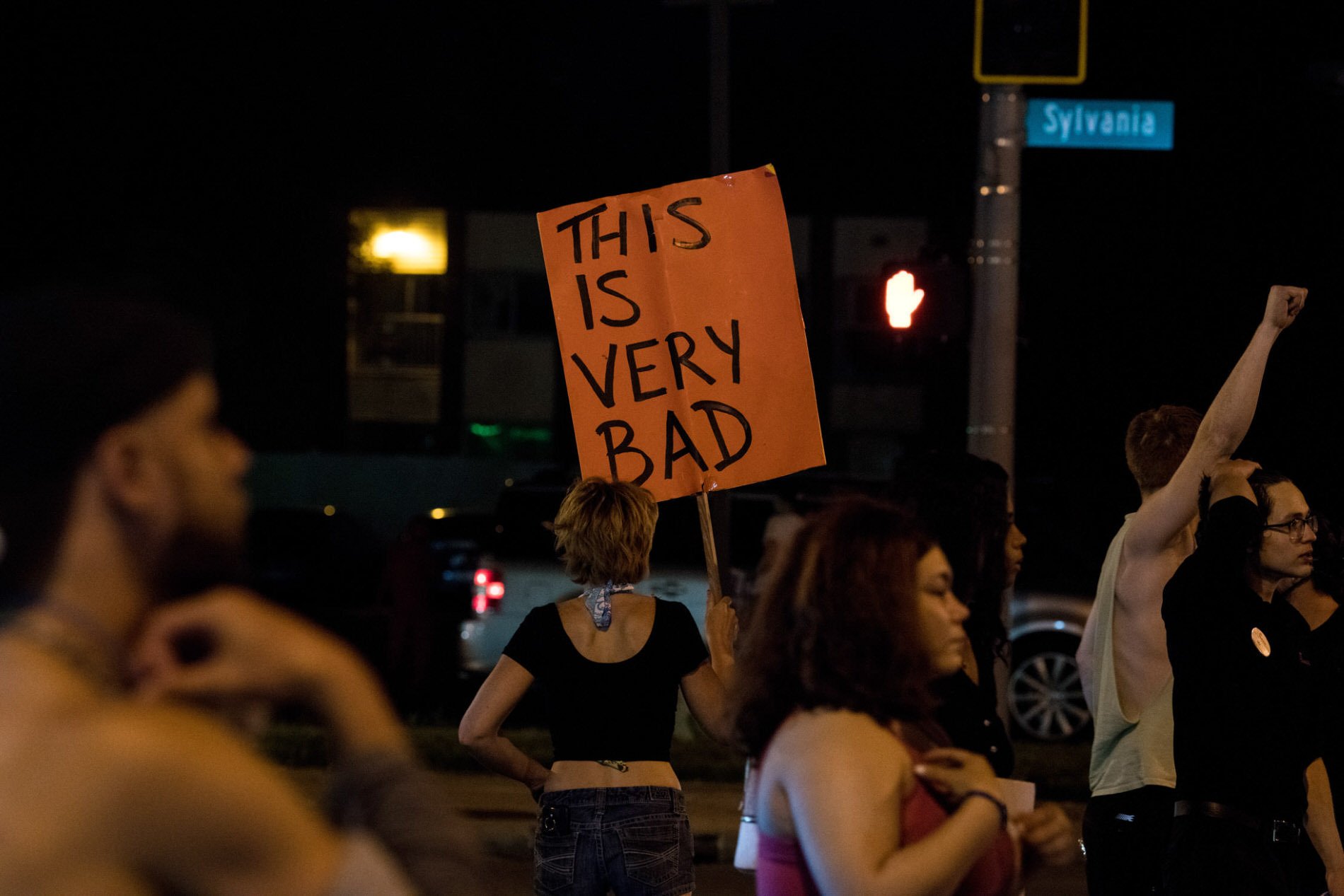
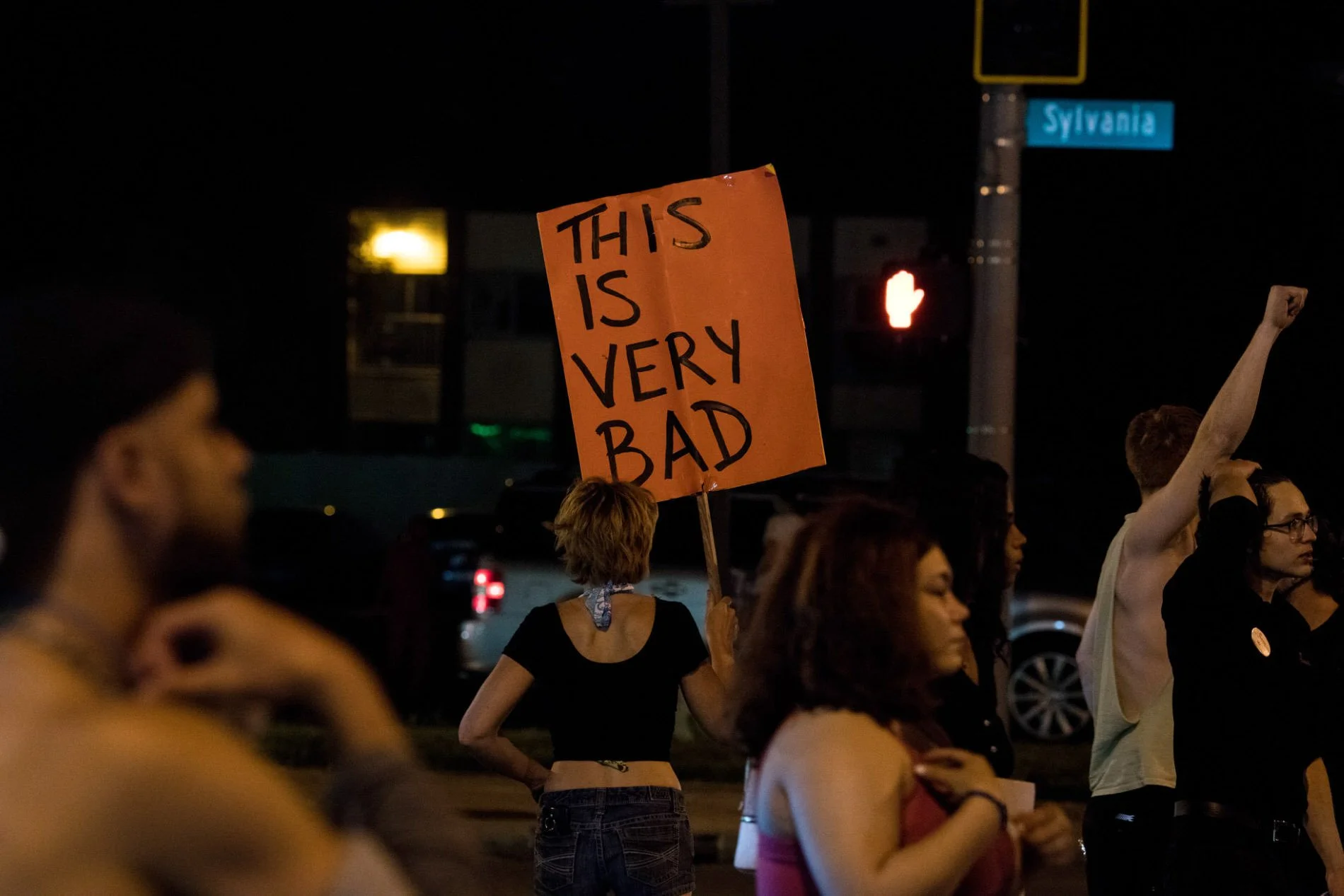
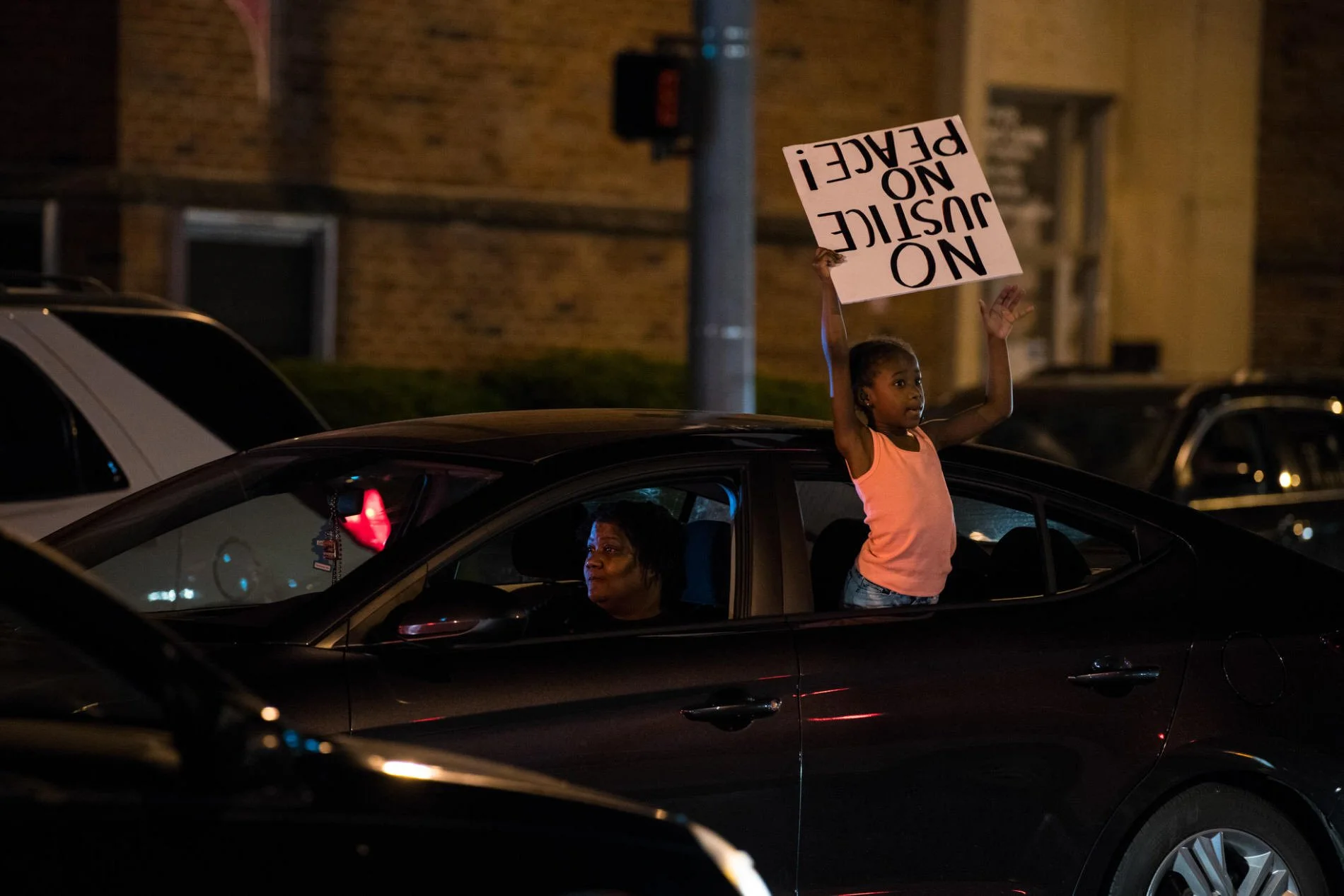
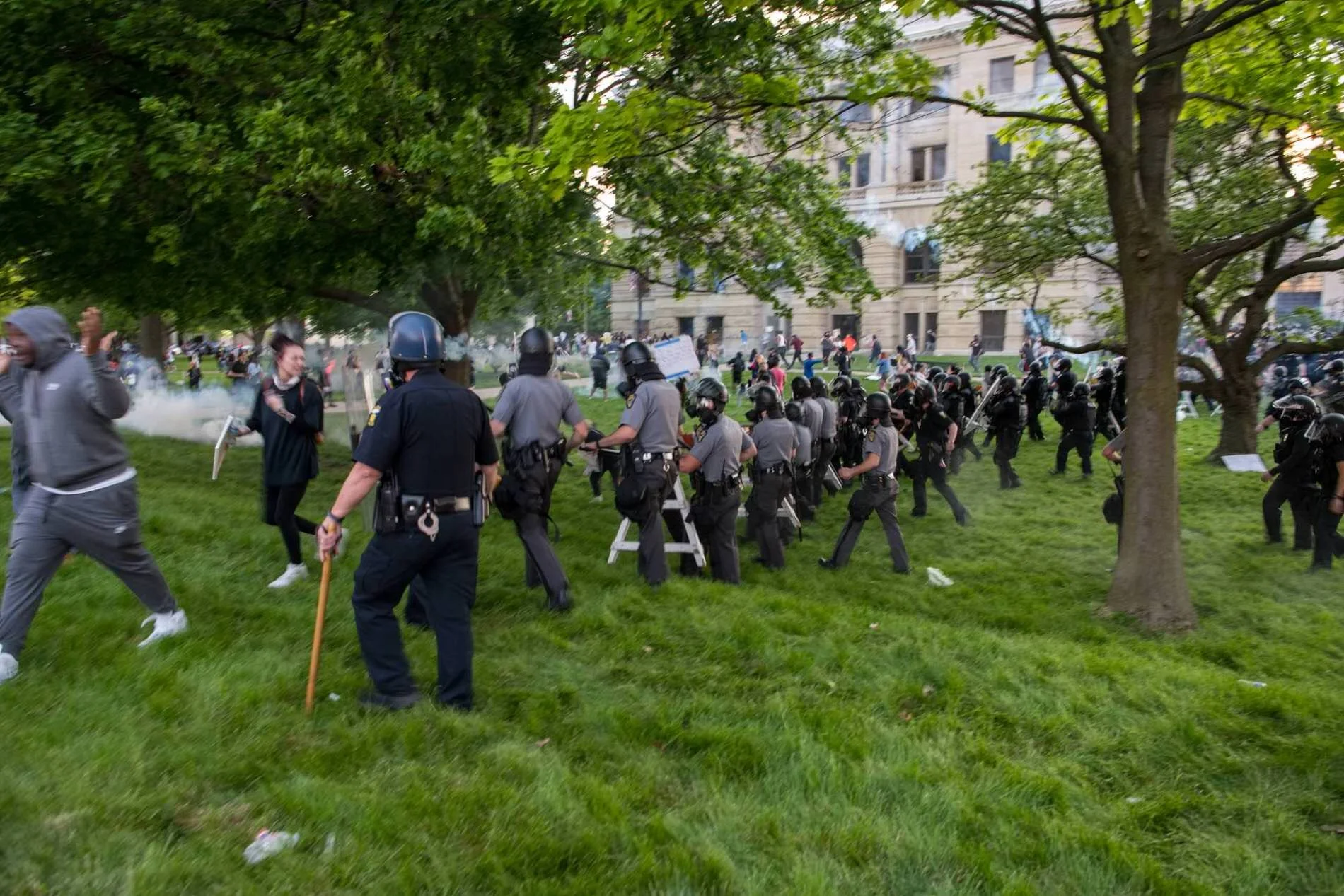
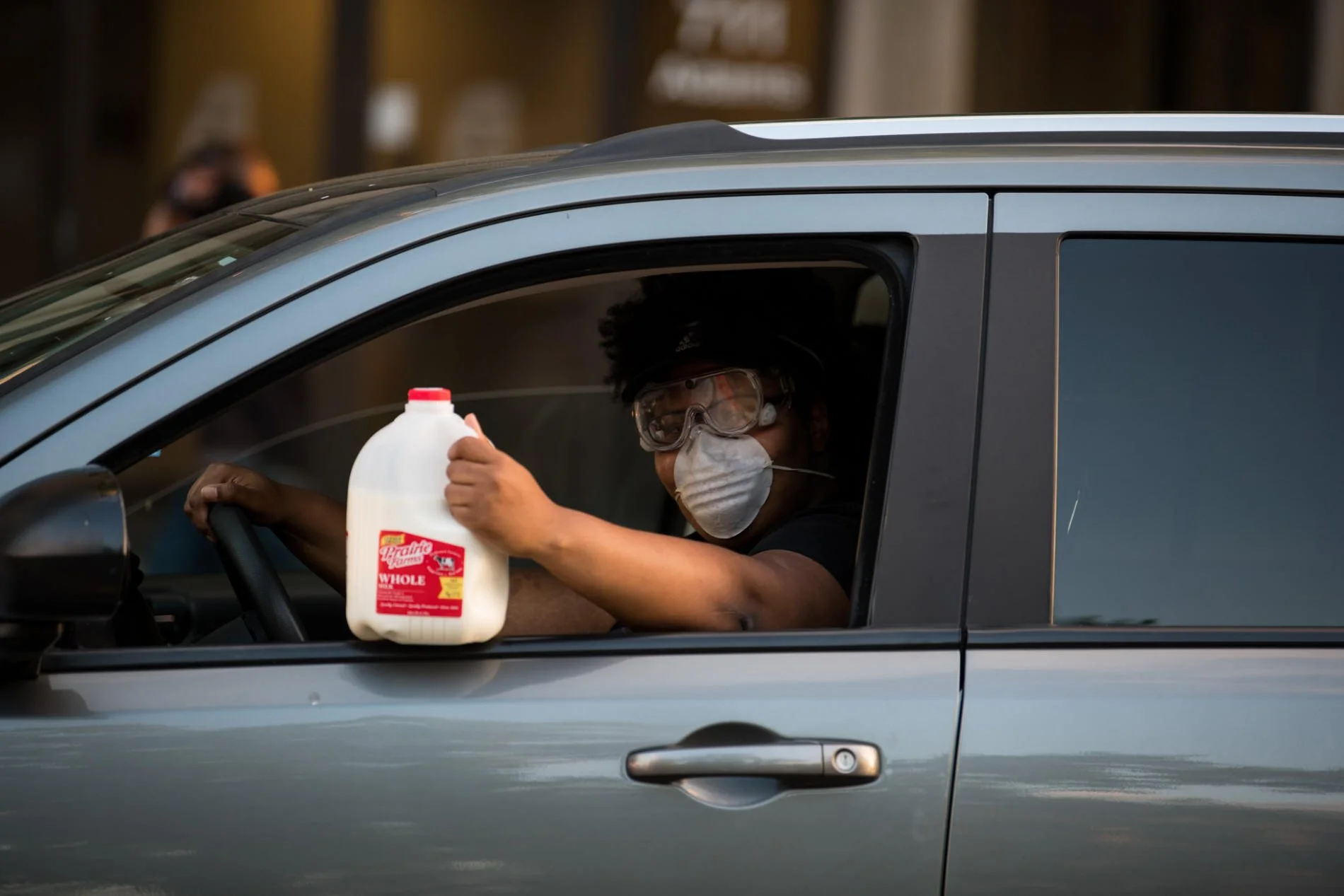
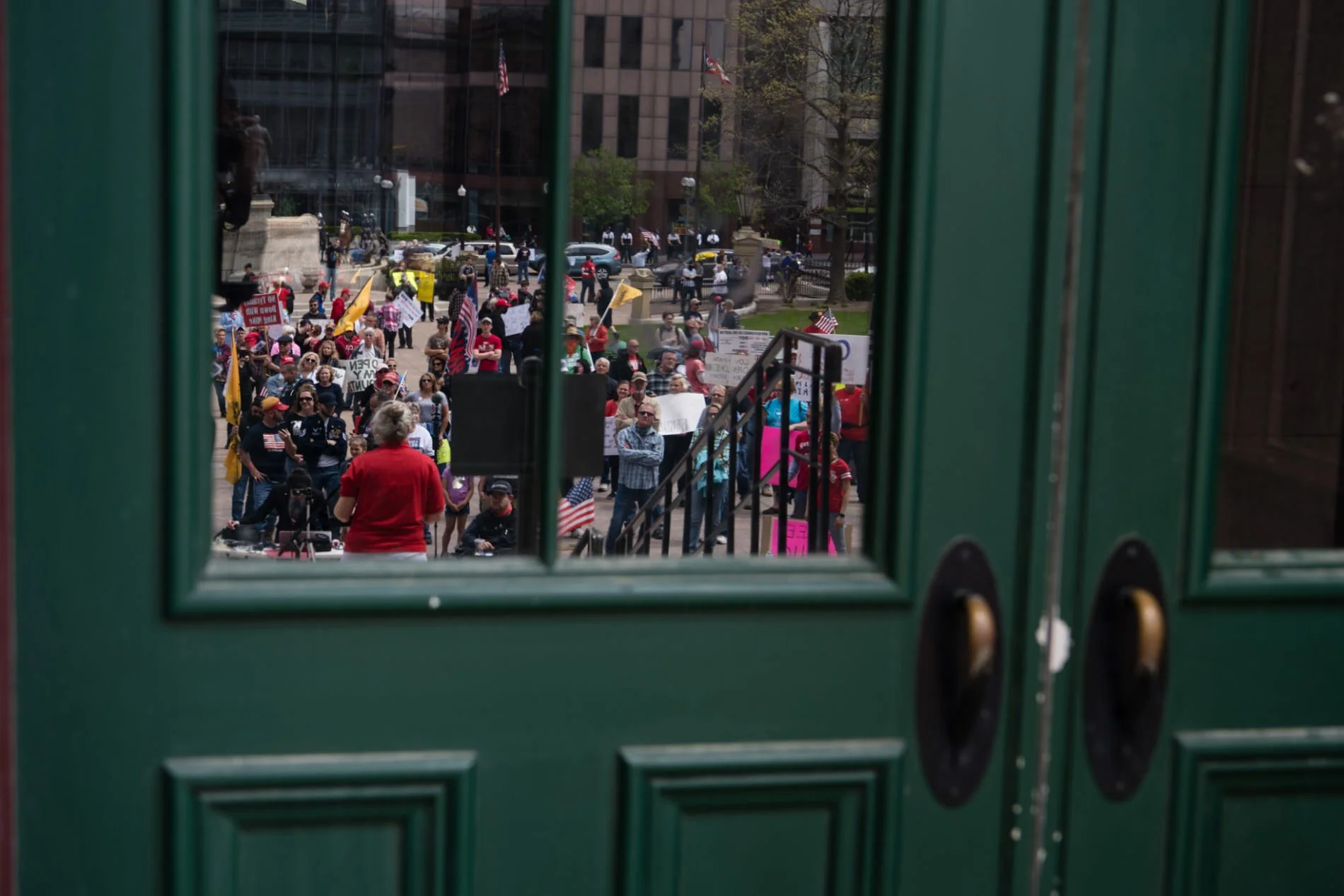
The United States saw well over 10,000 protests in 2020. Thousands have protested in 2025.
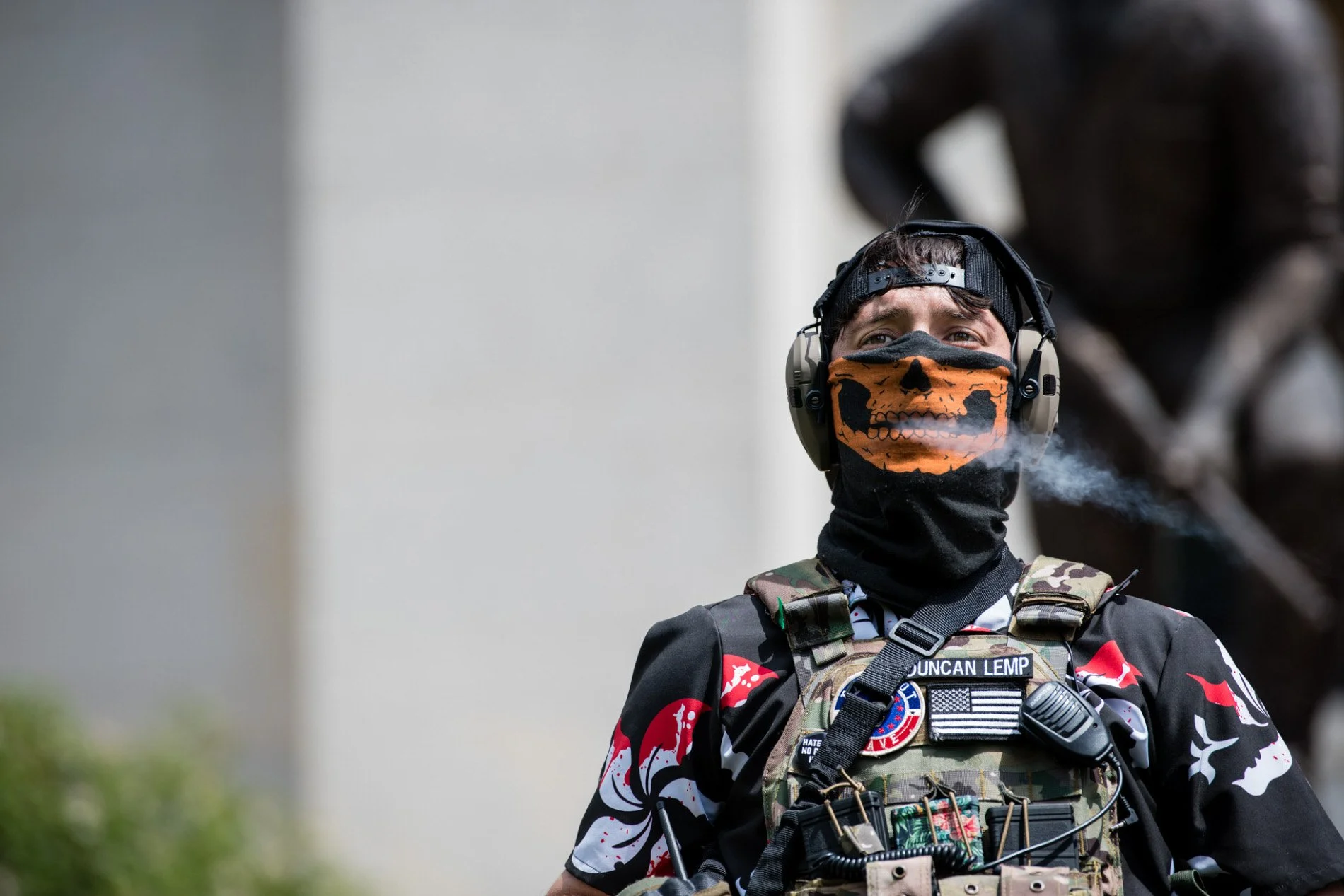
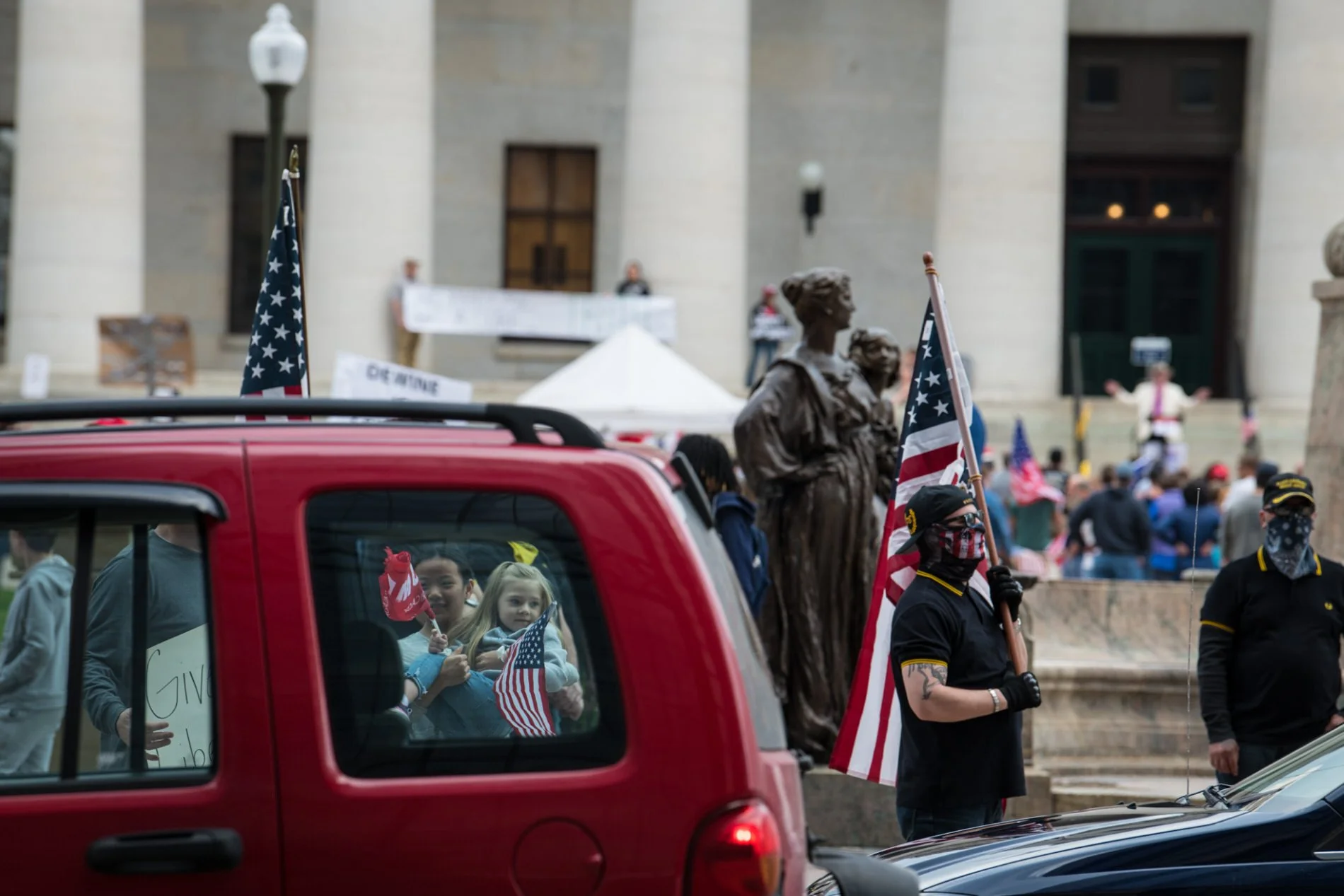
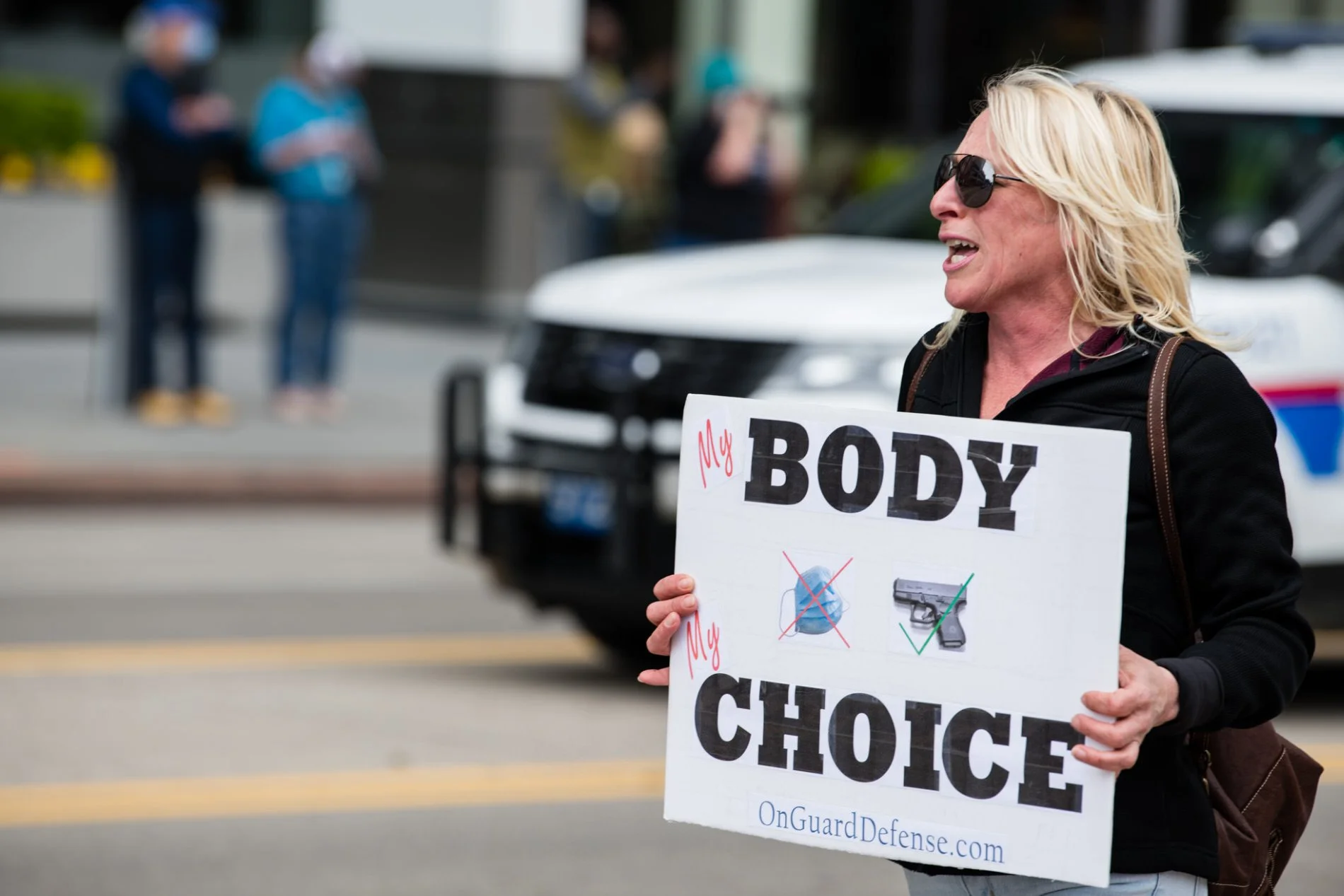
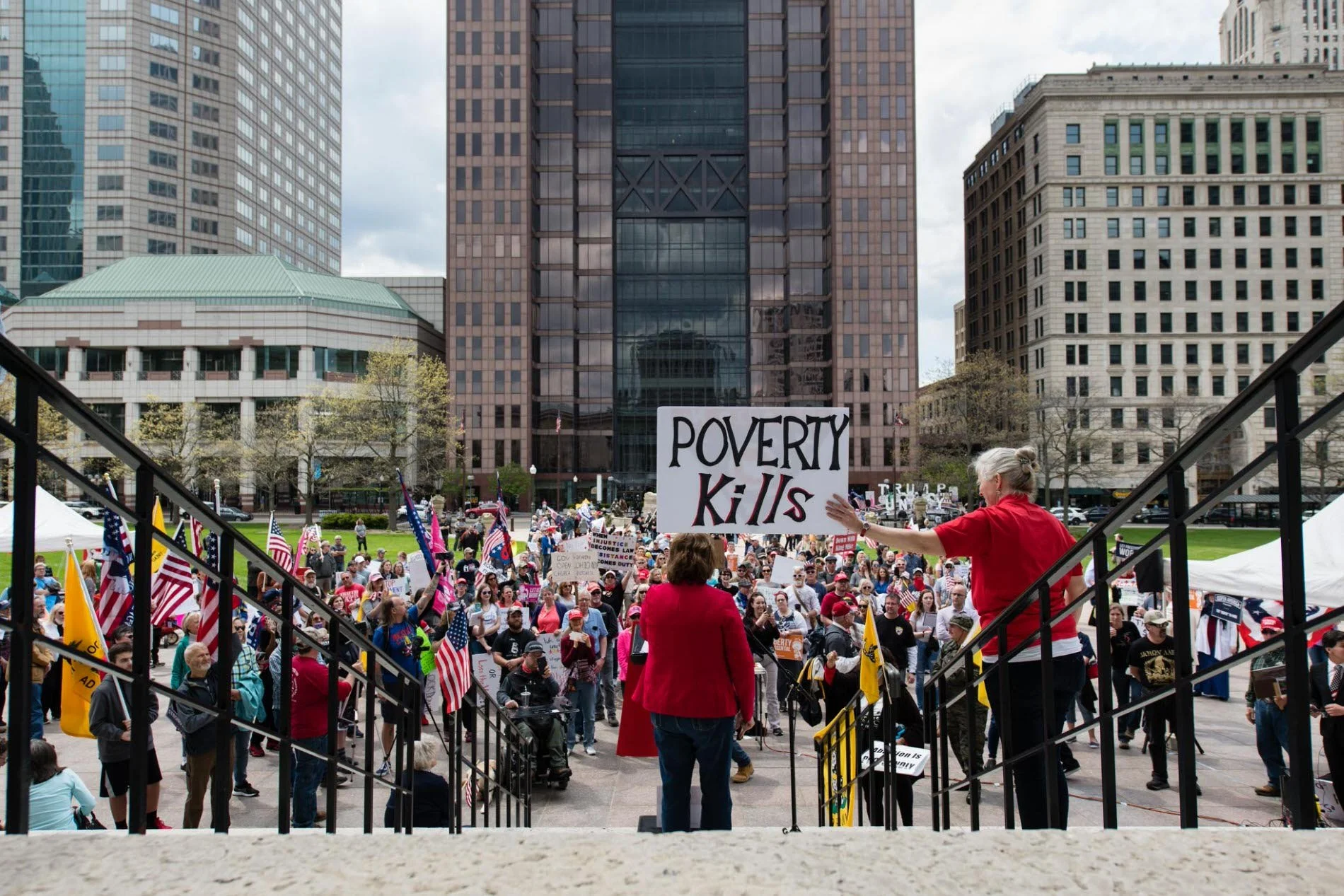
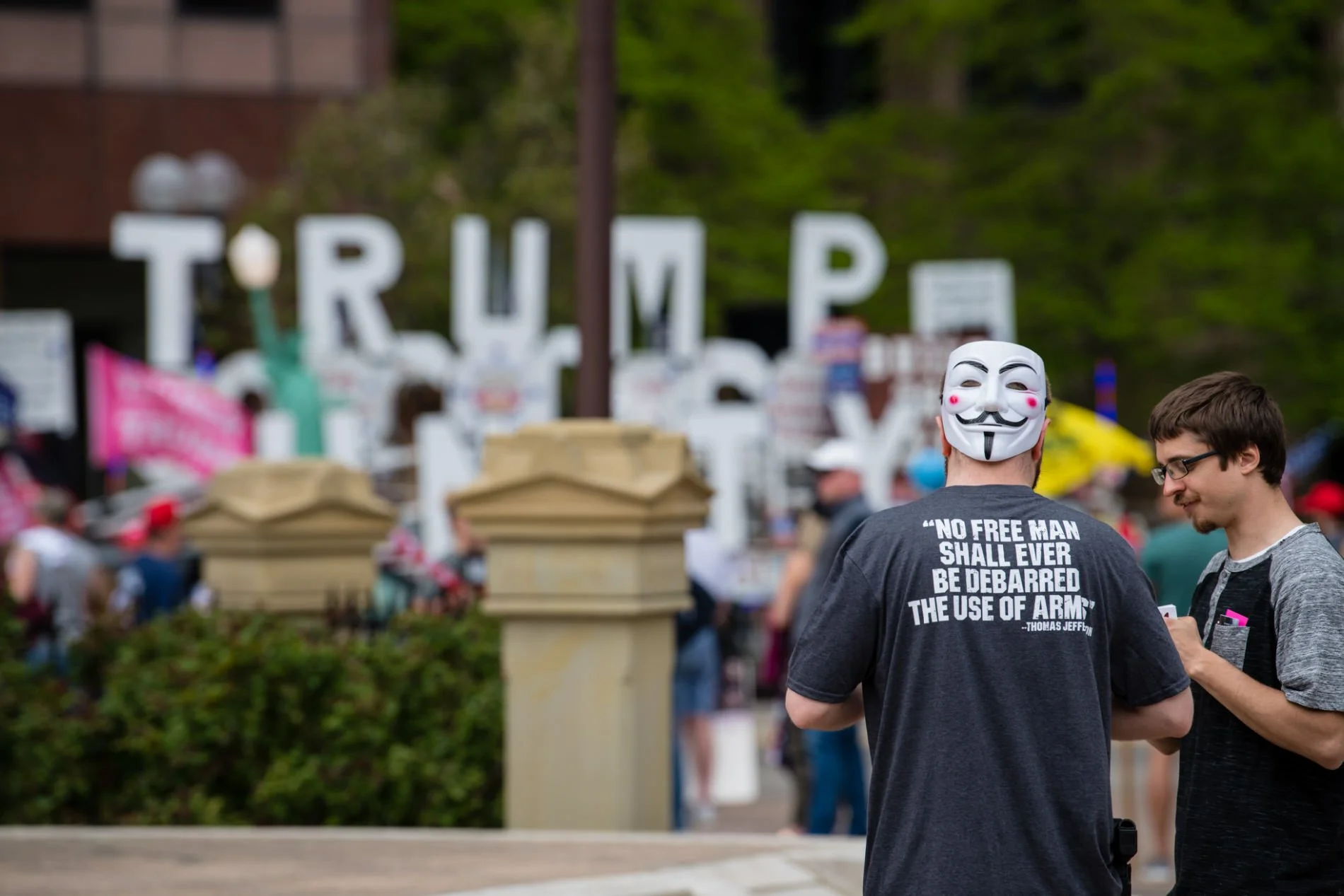
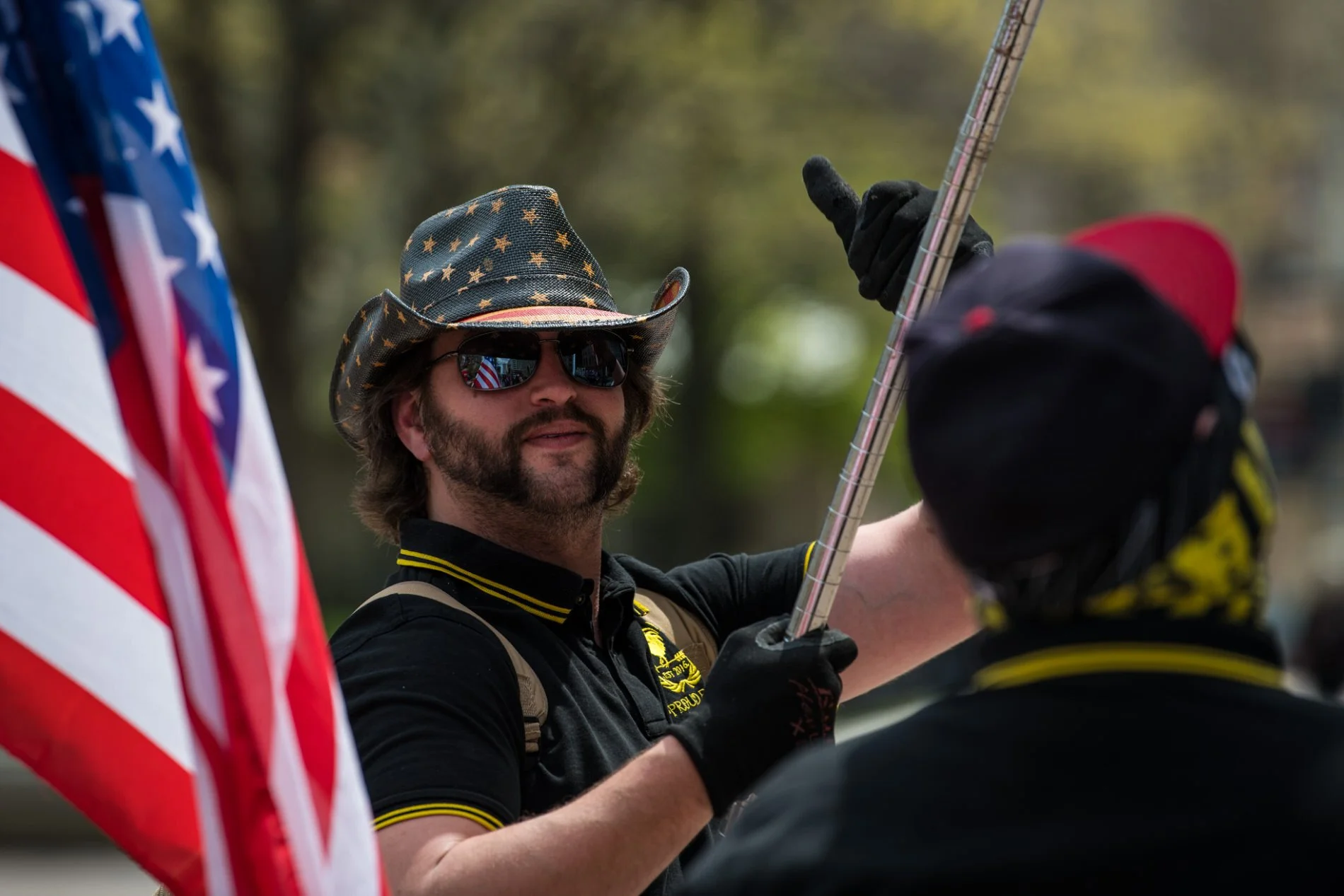
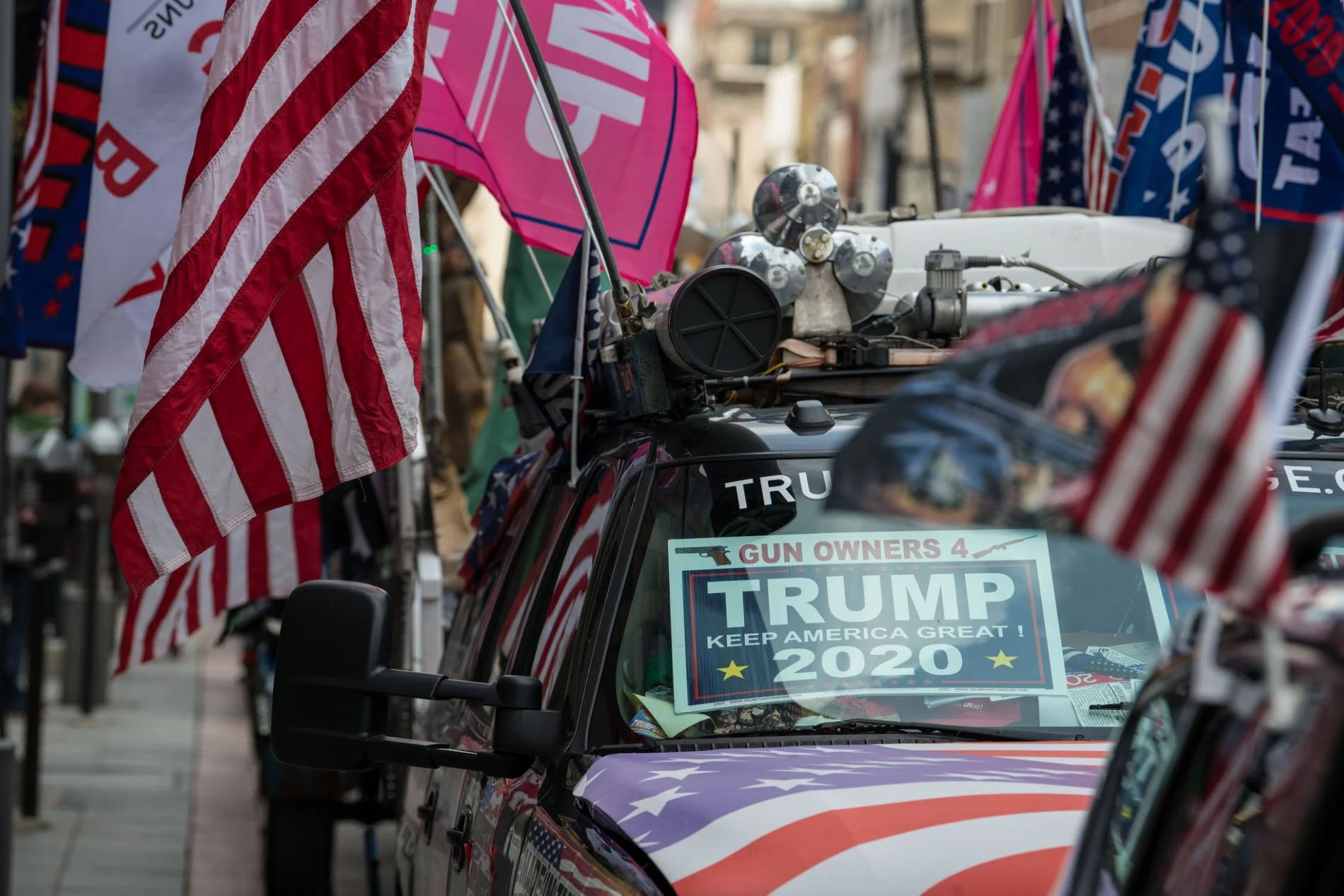
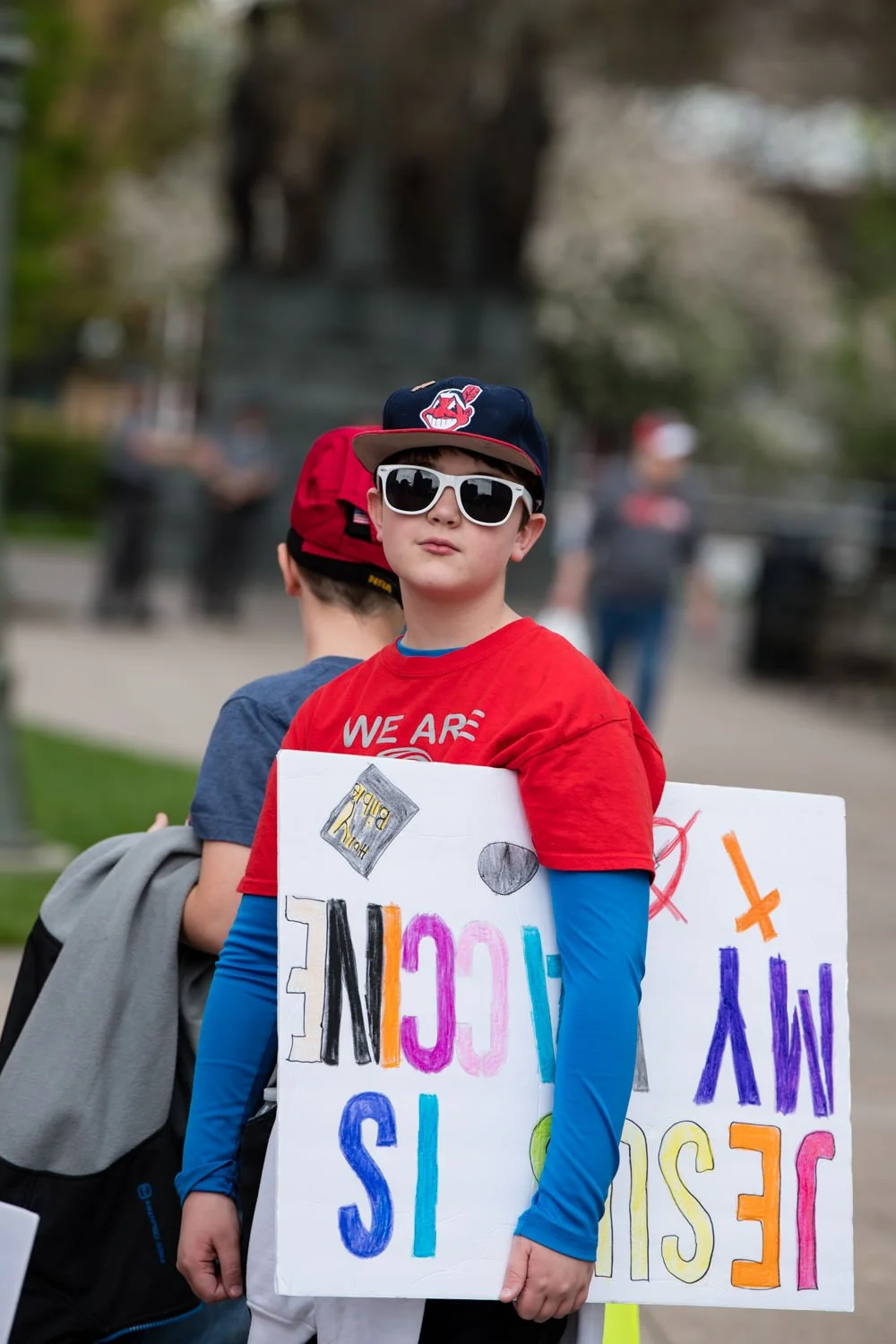
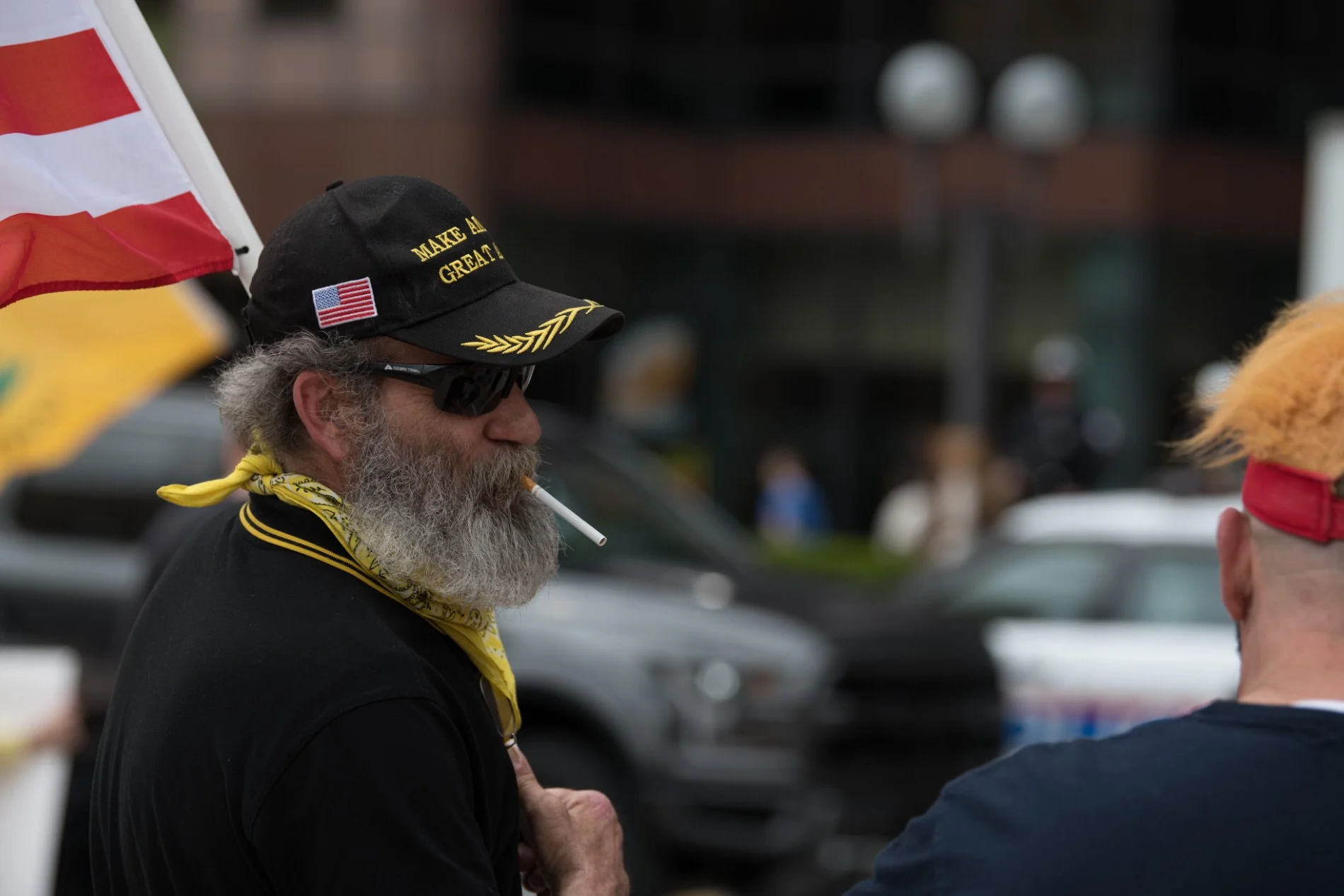
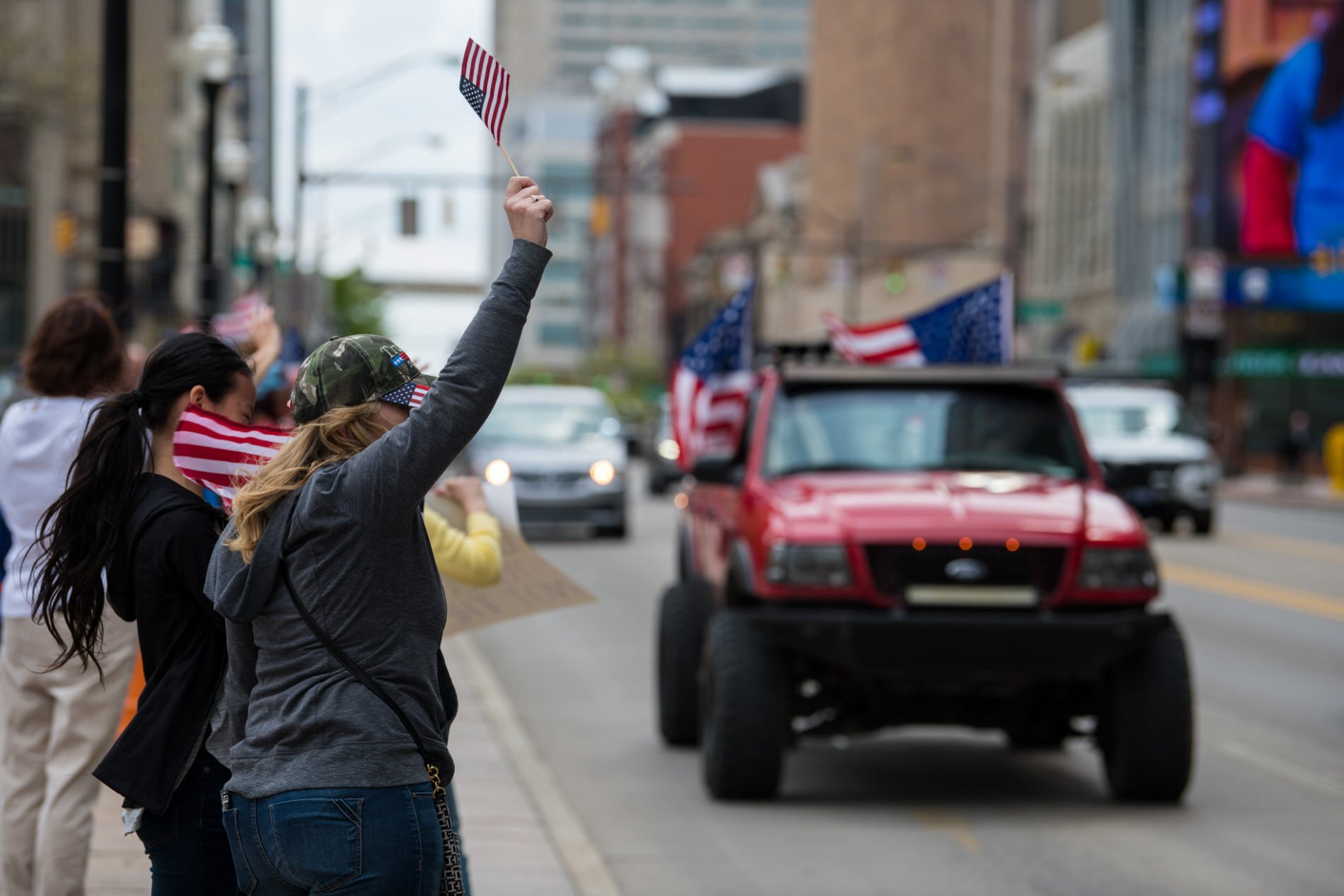
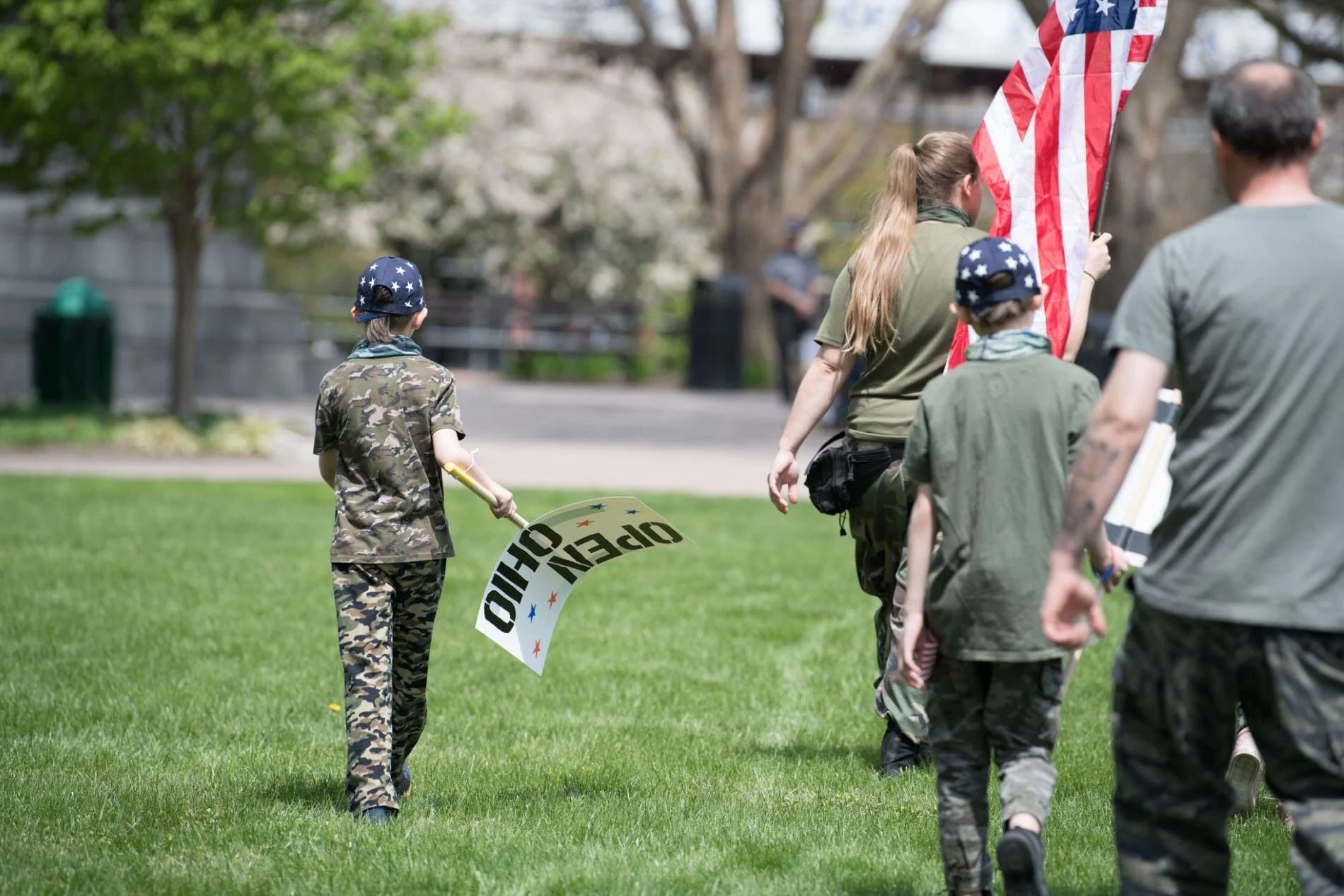
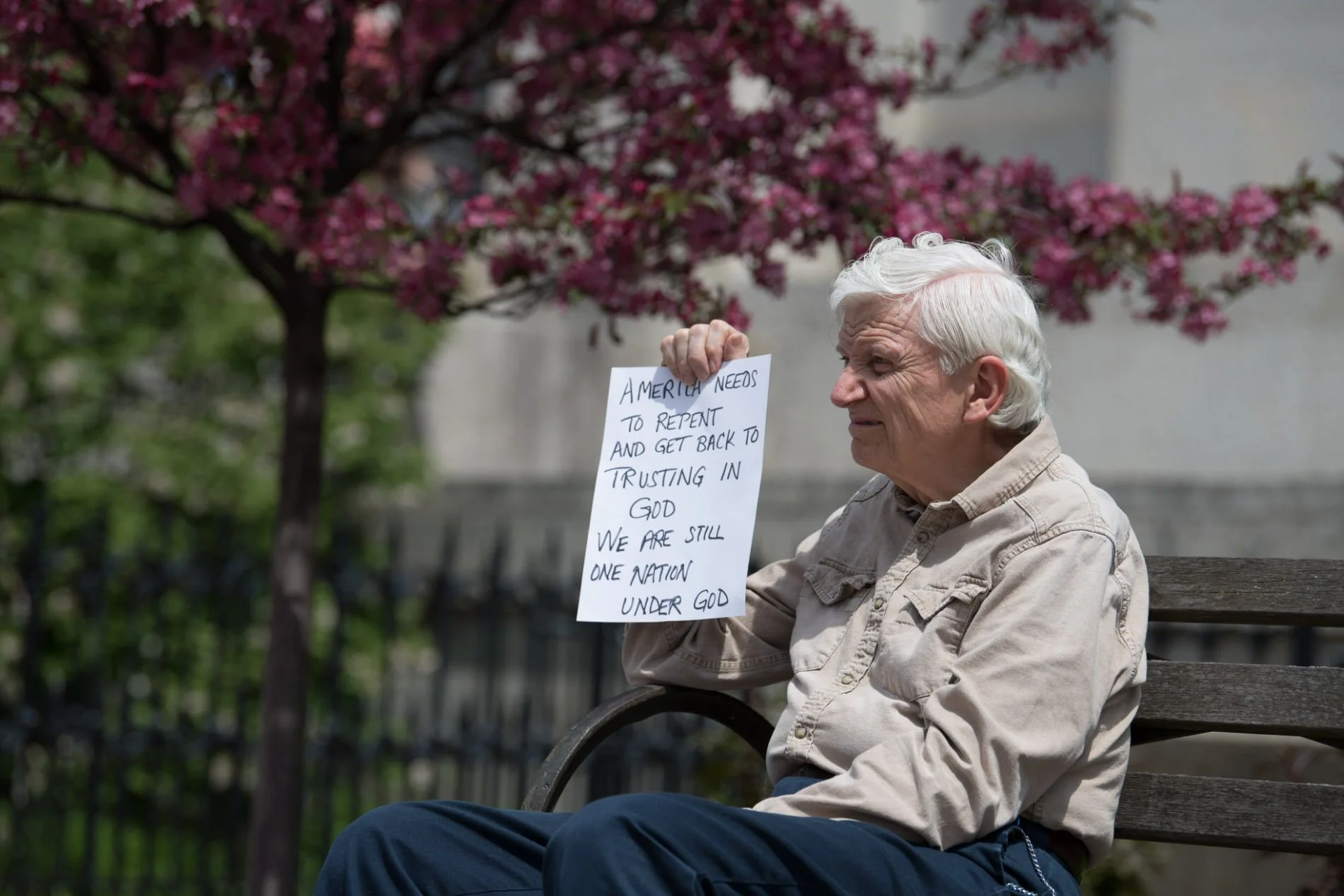
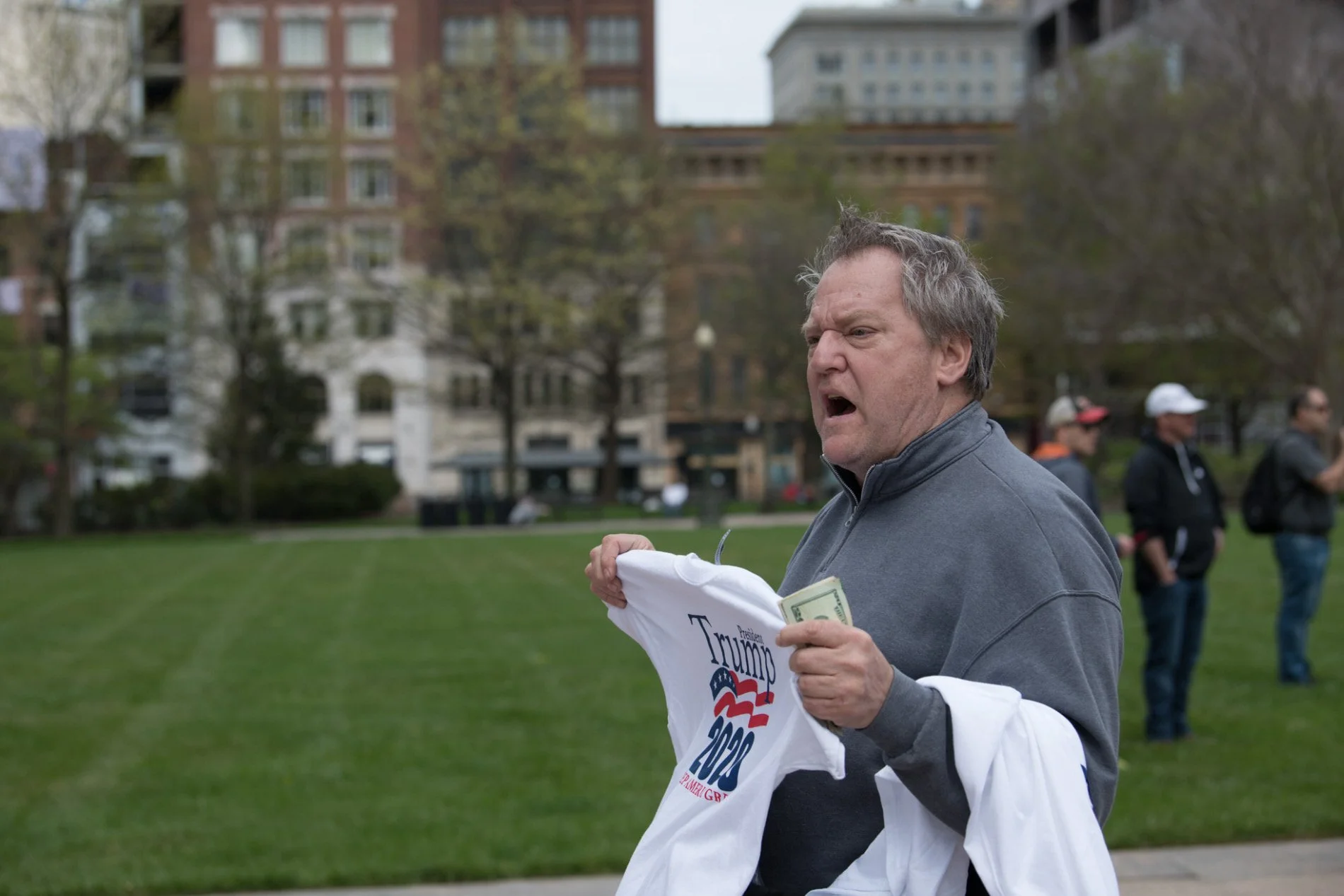
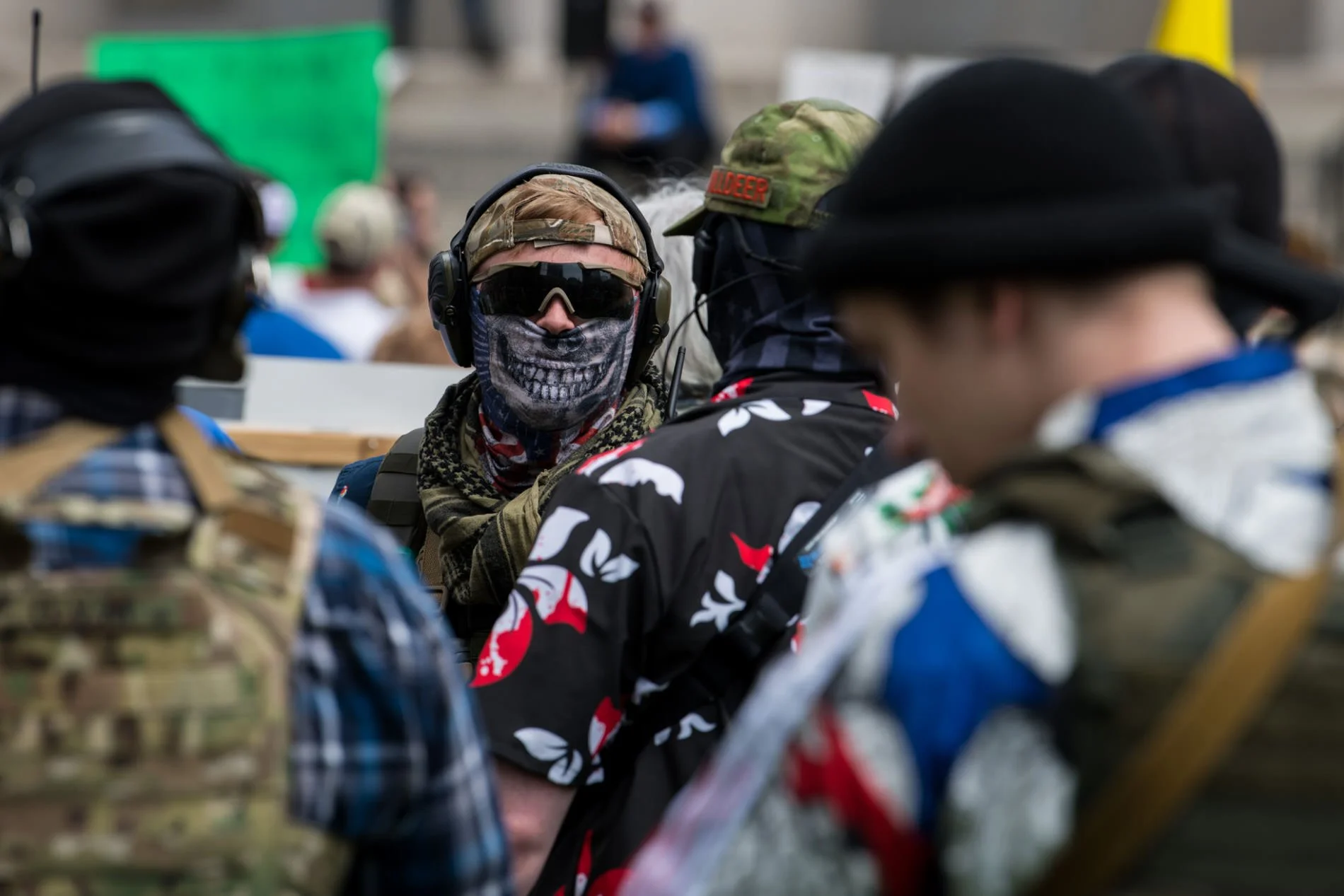
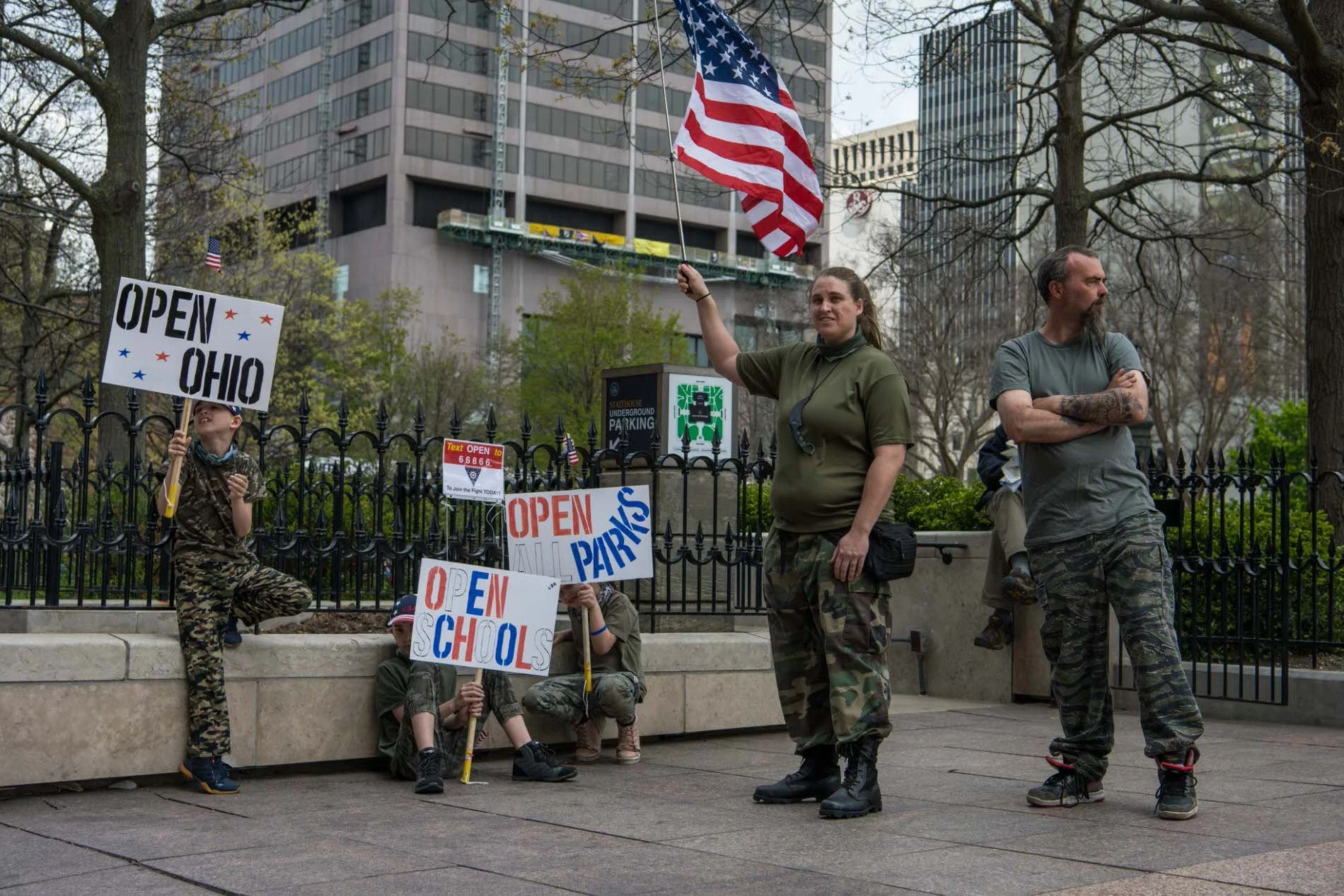
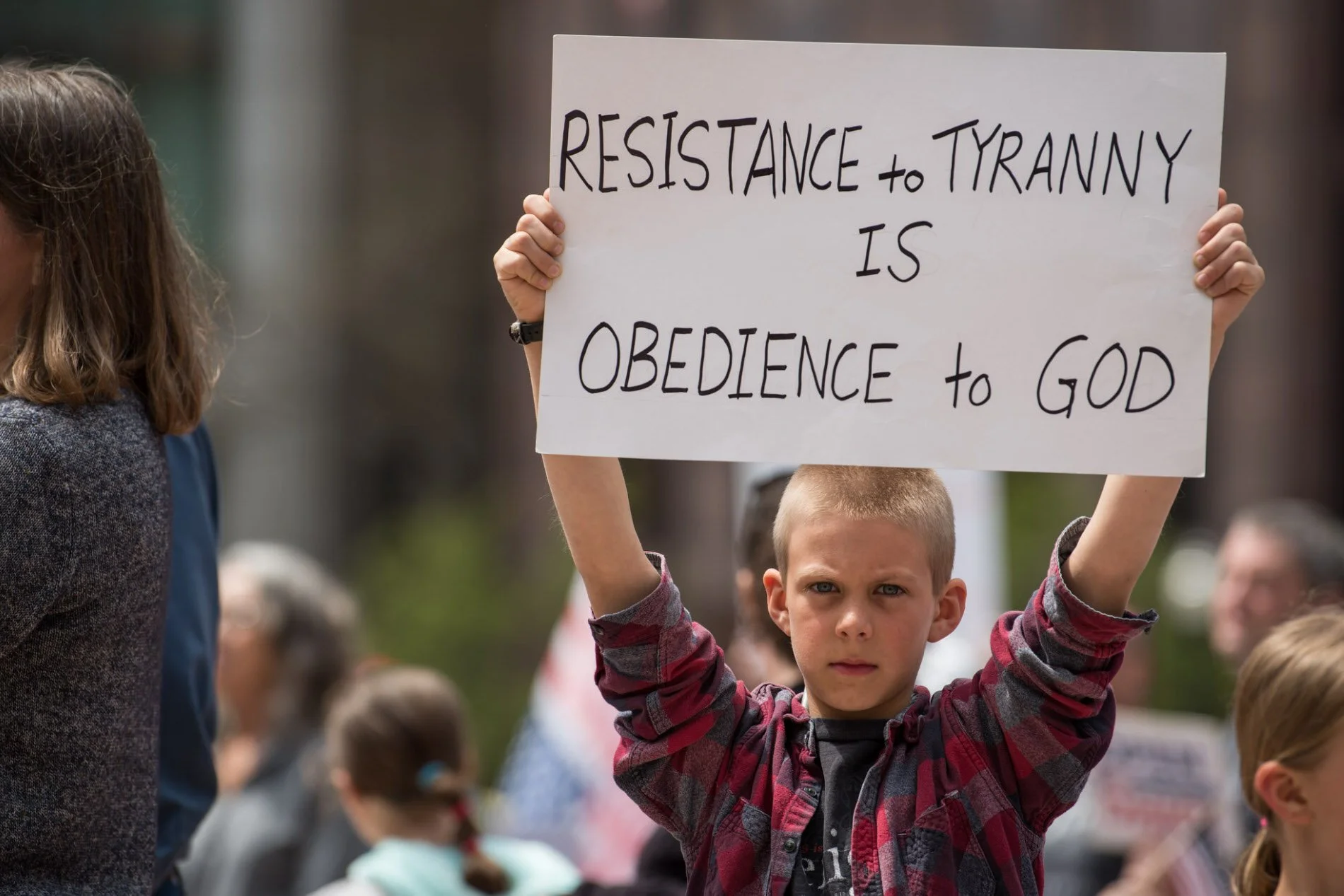
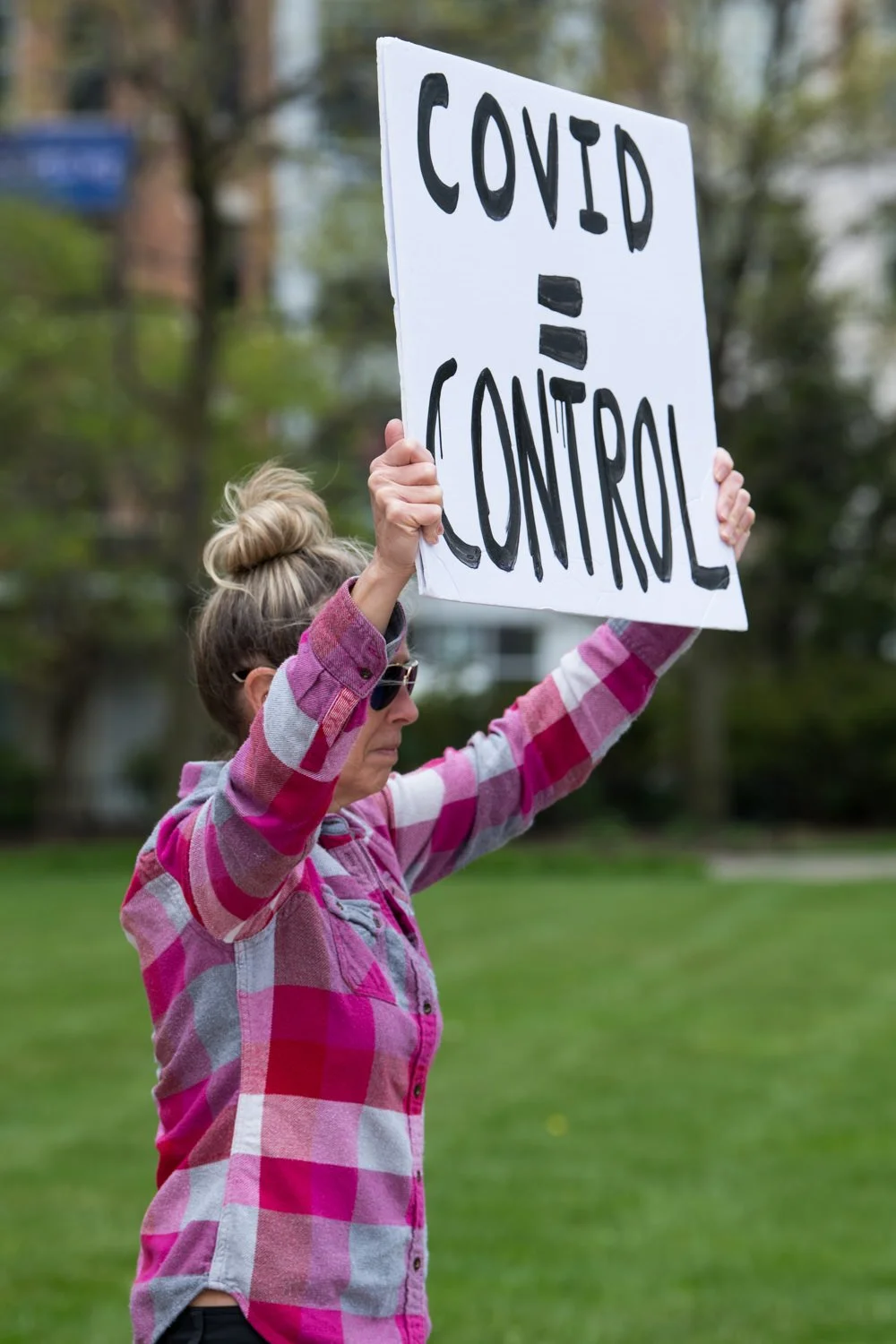
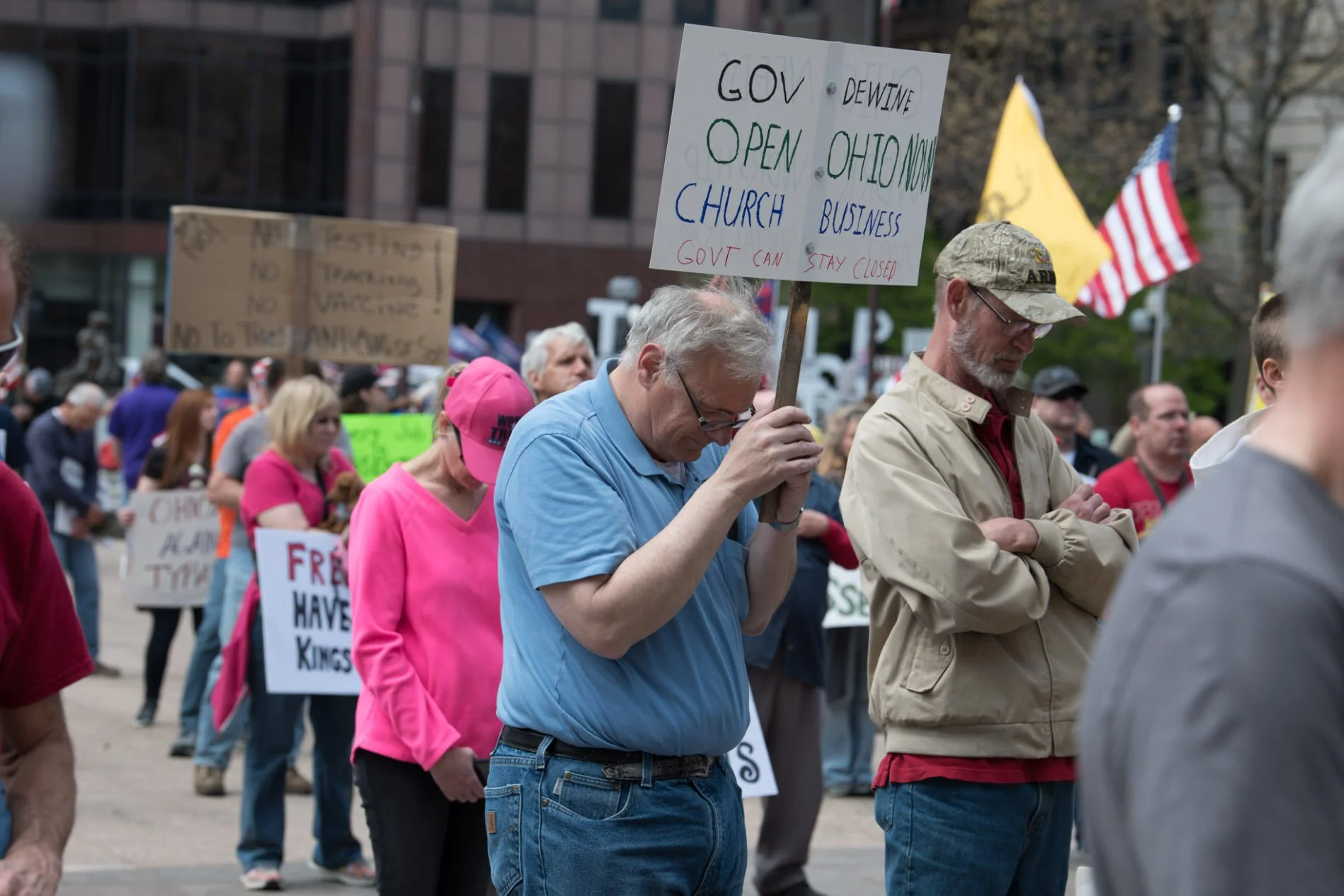
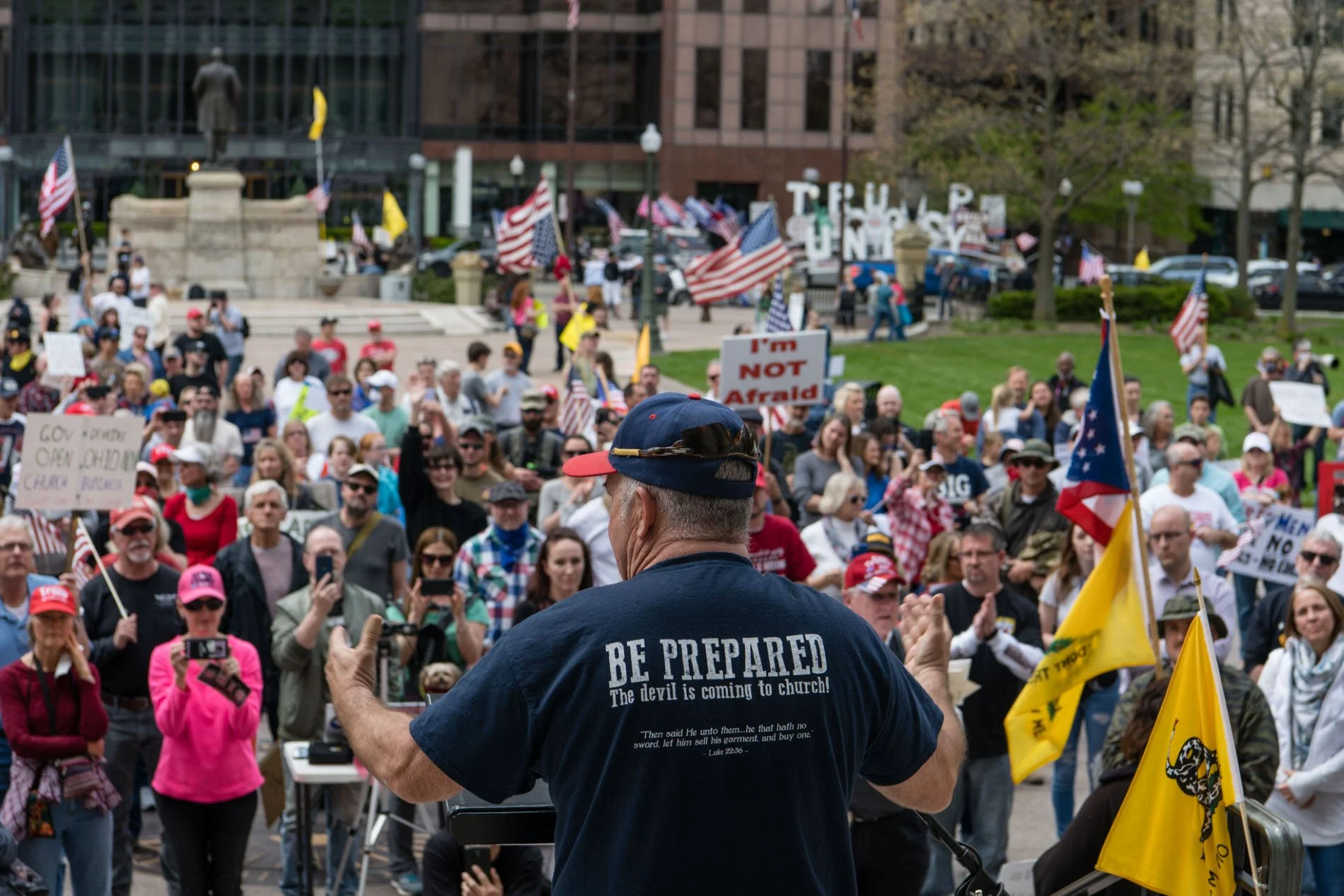
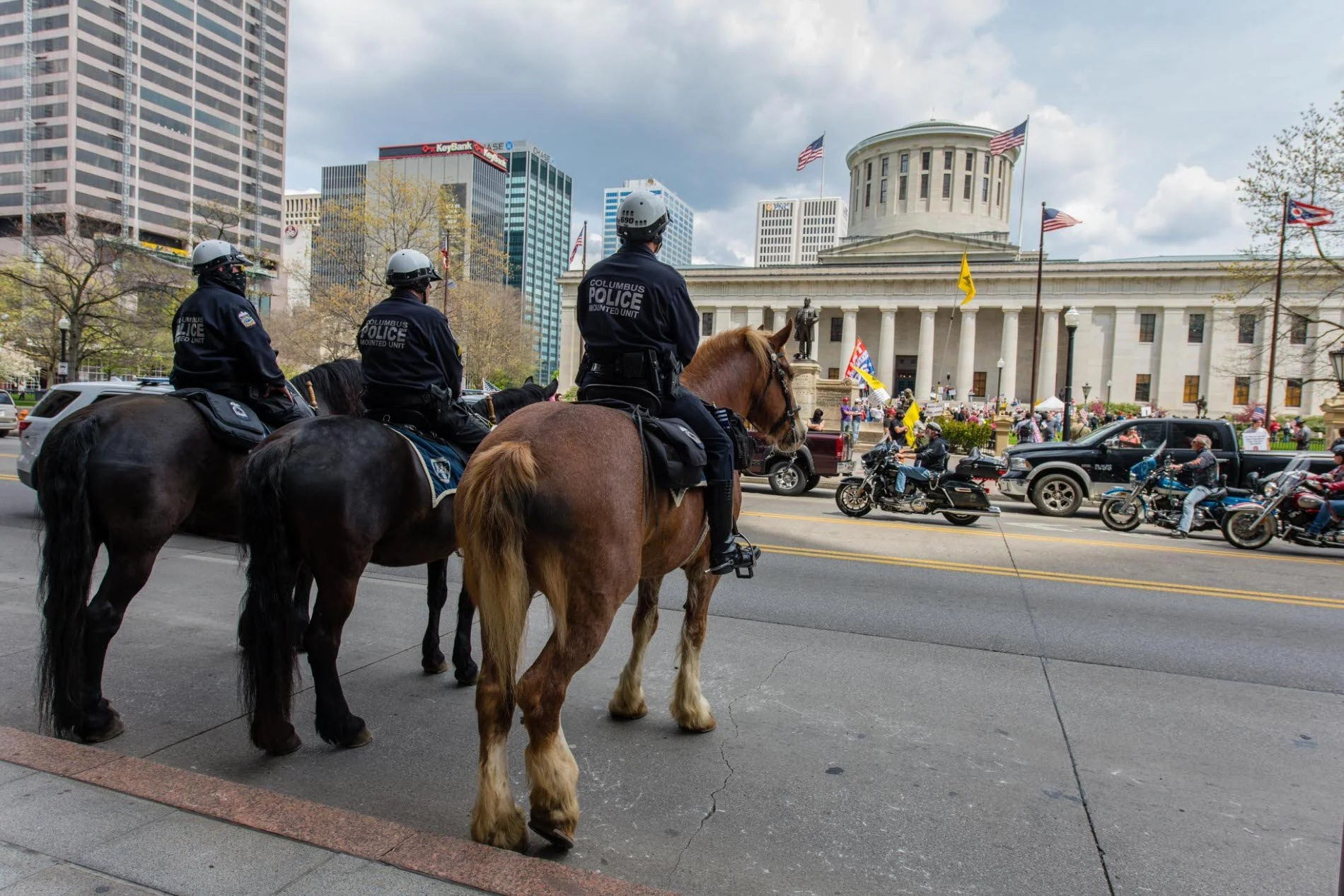
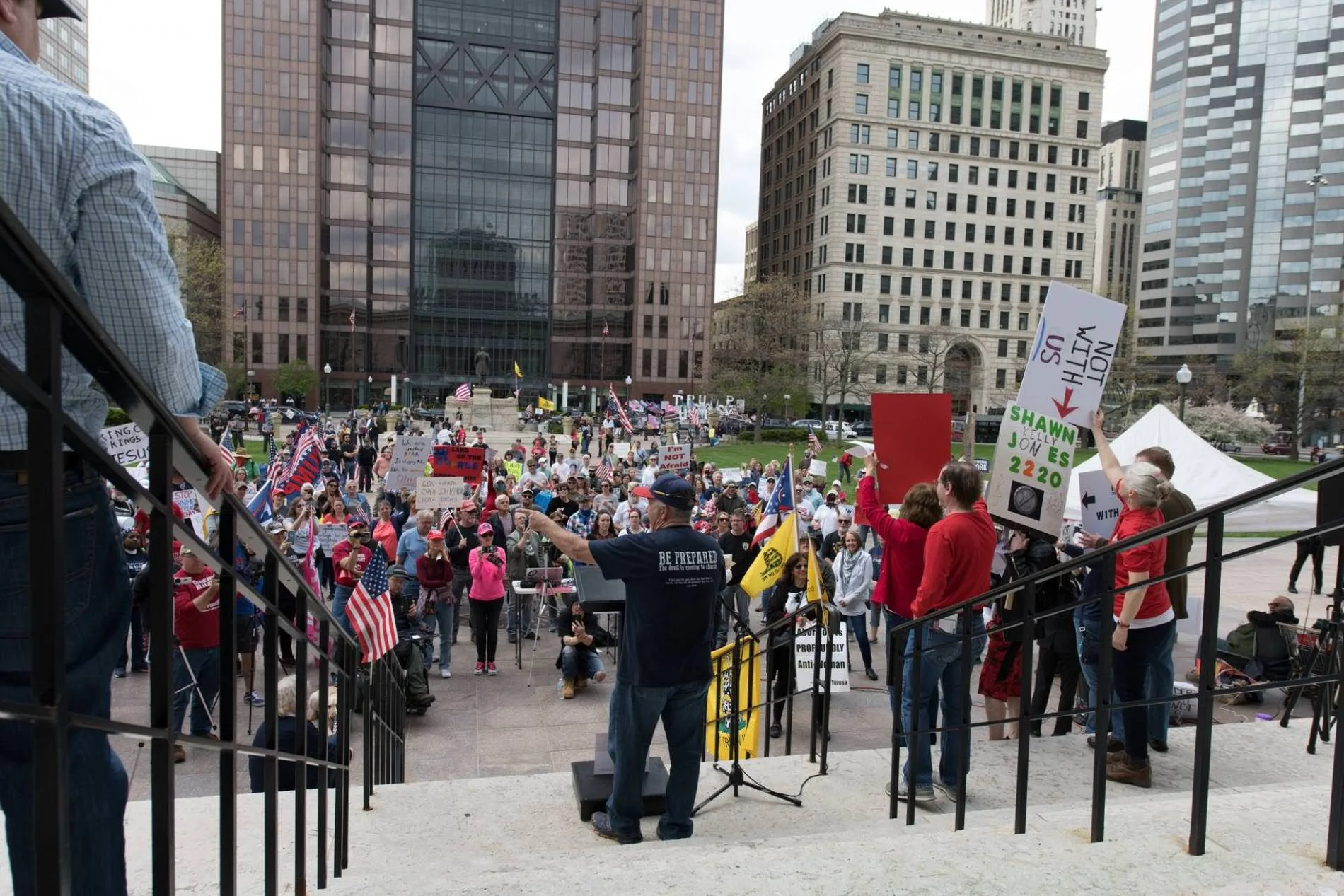
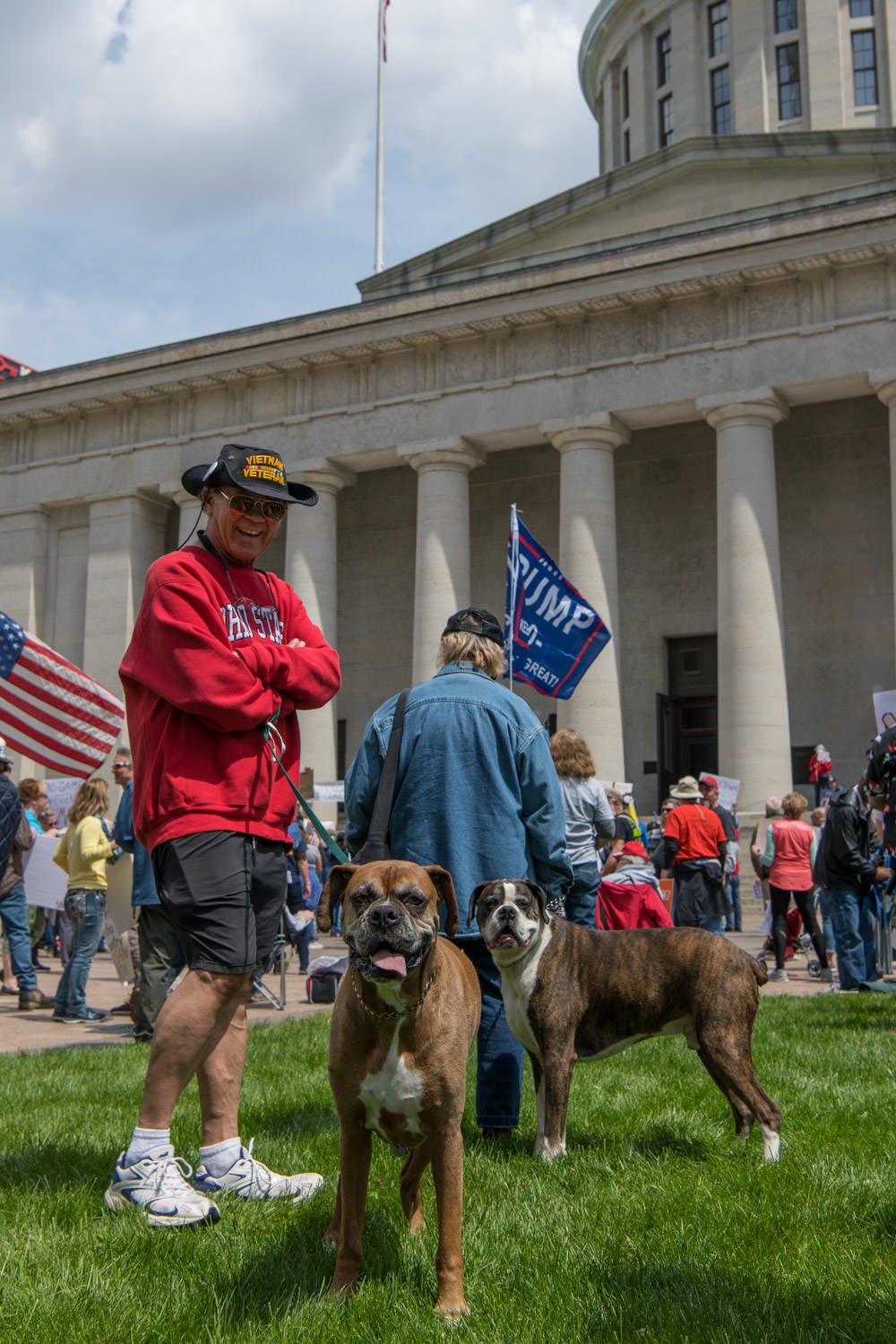
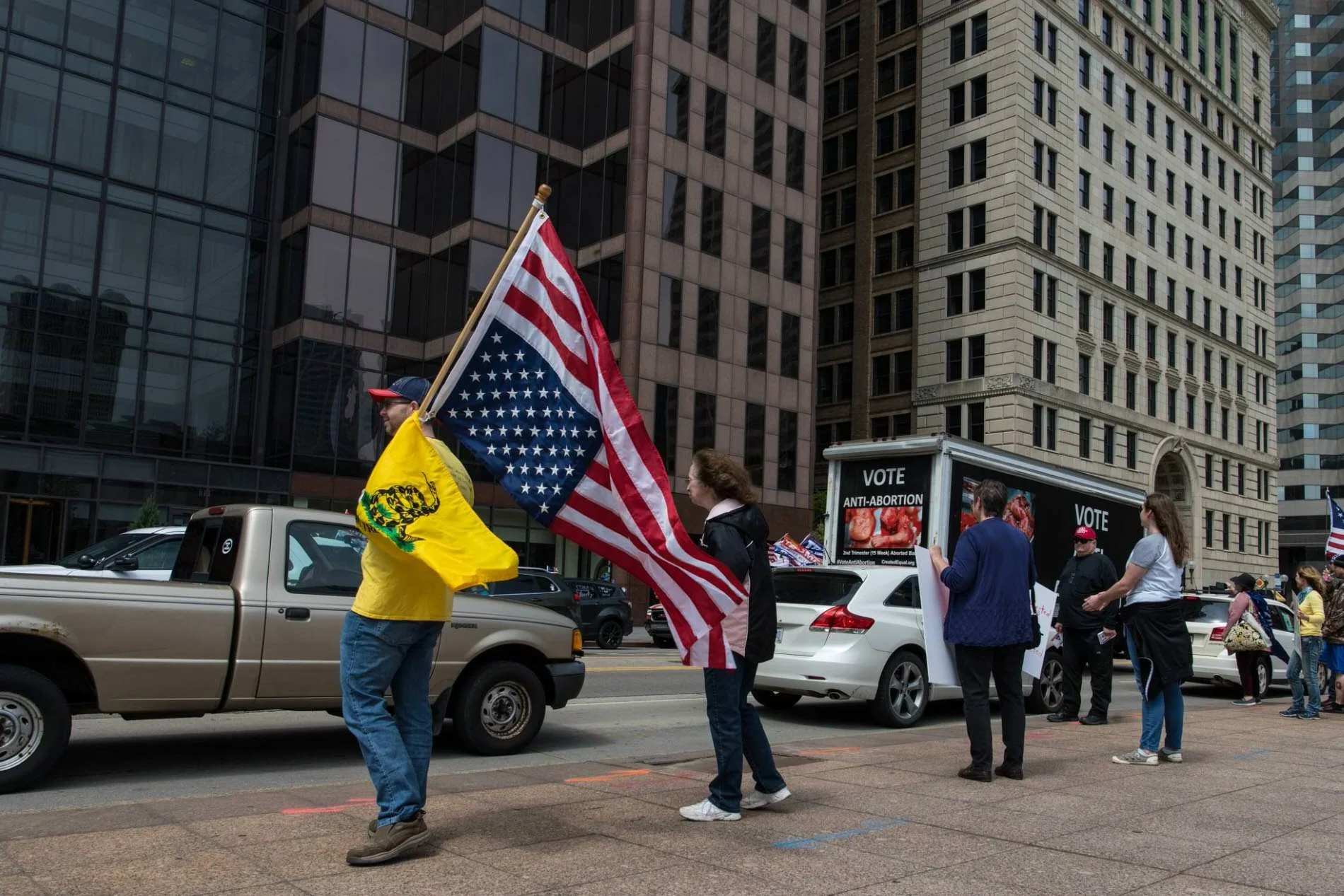
Protests started in 2020 during the first part of the pandemic involving groups on the far right, such as the Proud Boys and evangelicals. They fought against restrictions that were mandated to prevent the rapid spread of the novel coronavirus, insisting it was an overreach of government authority.
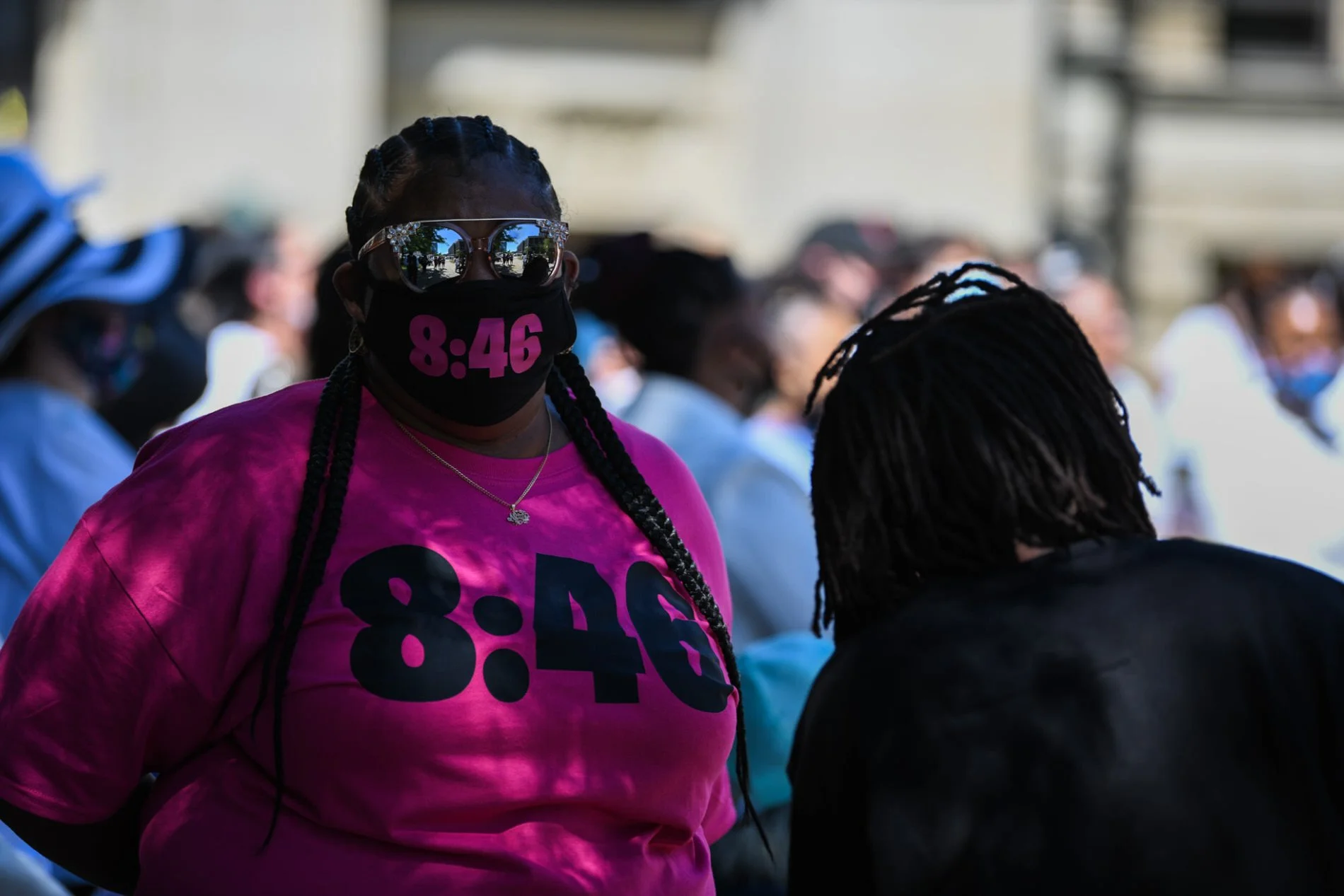
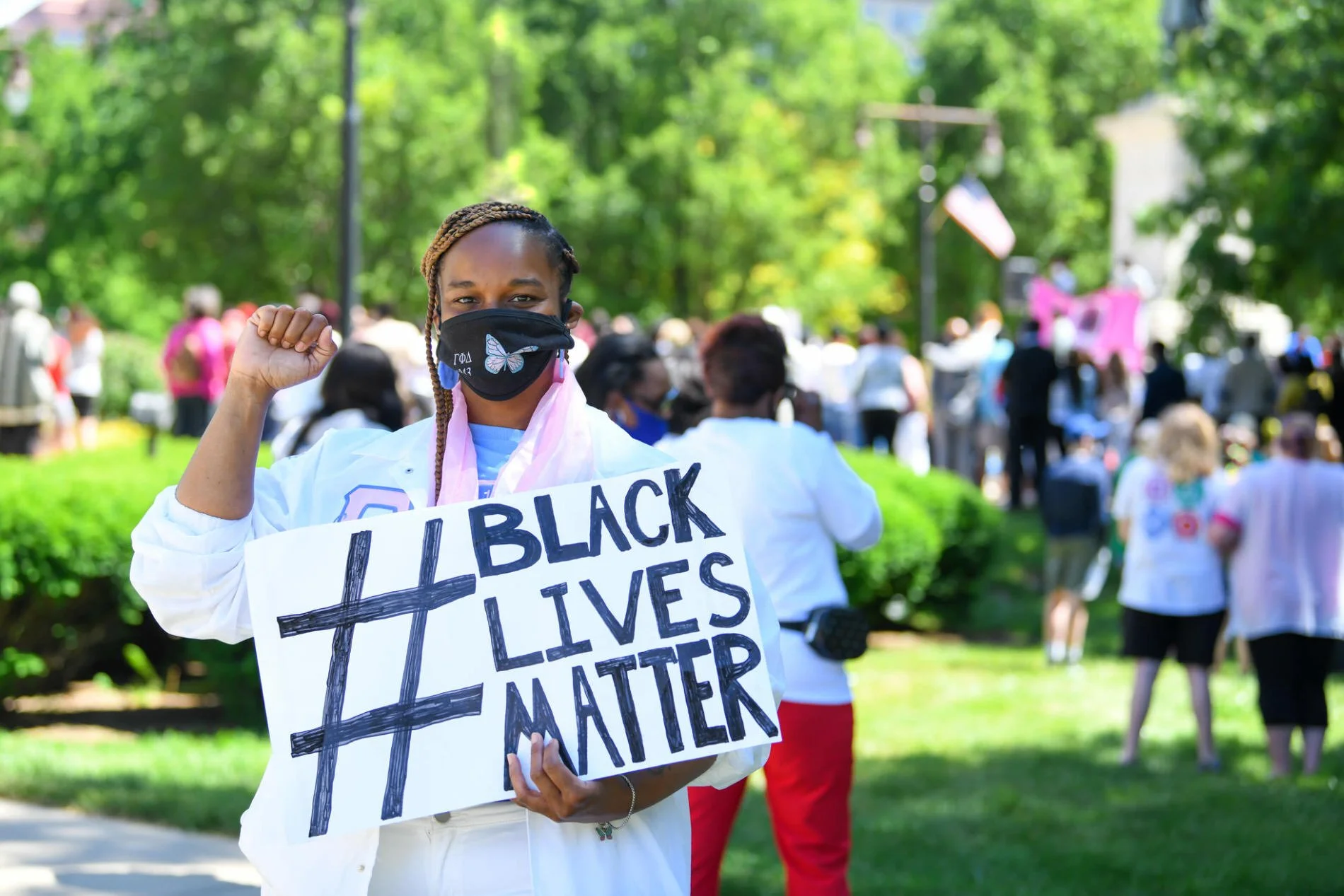
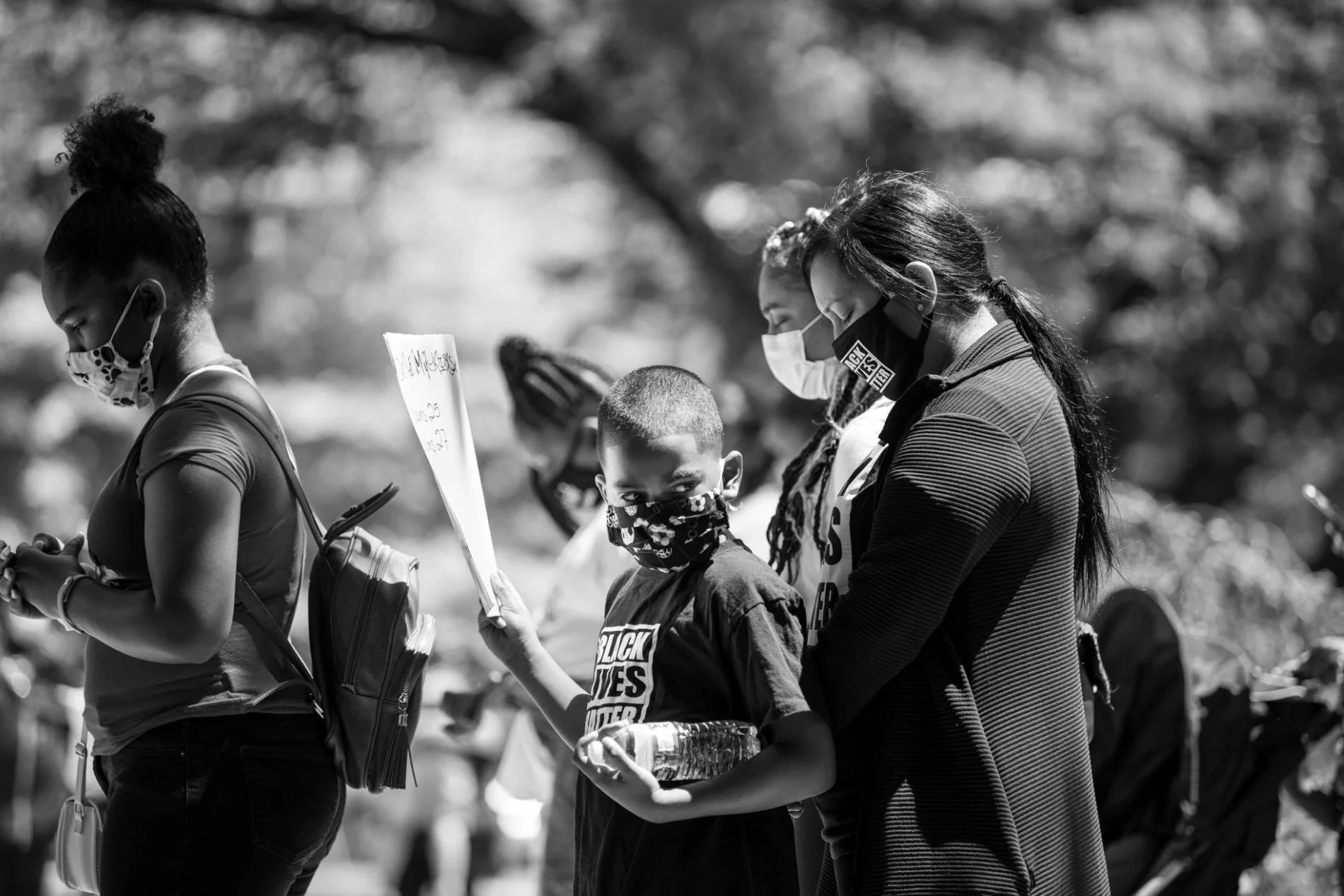
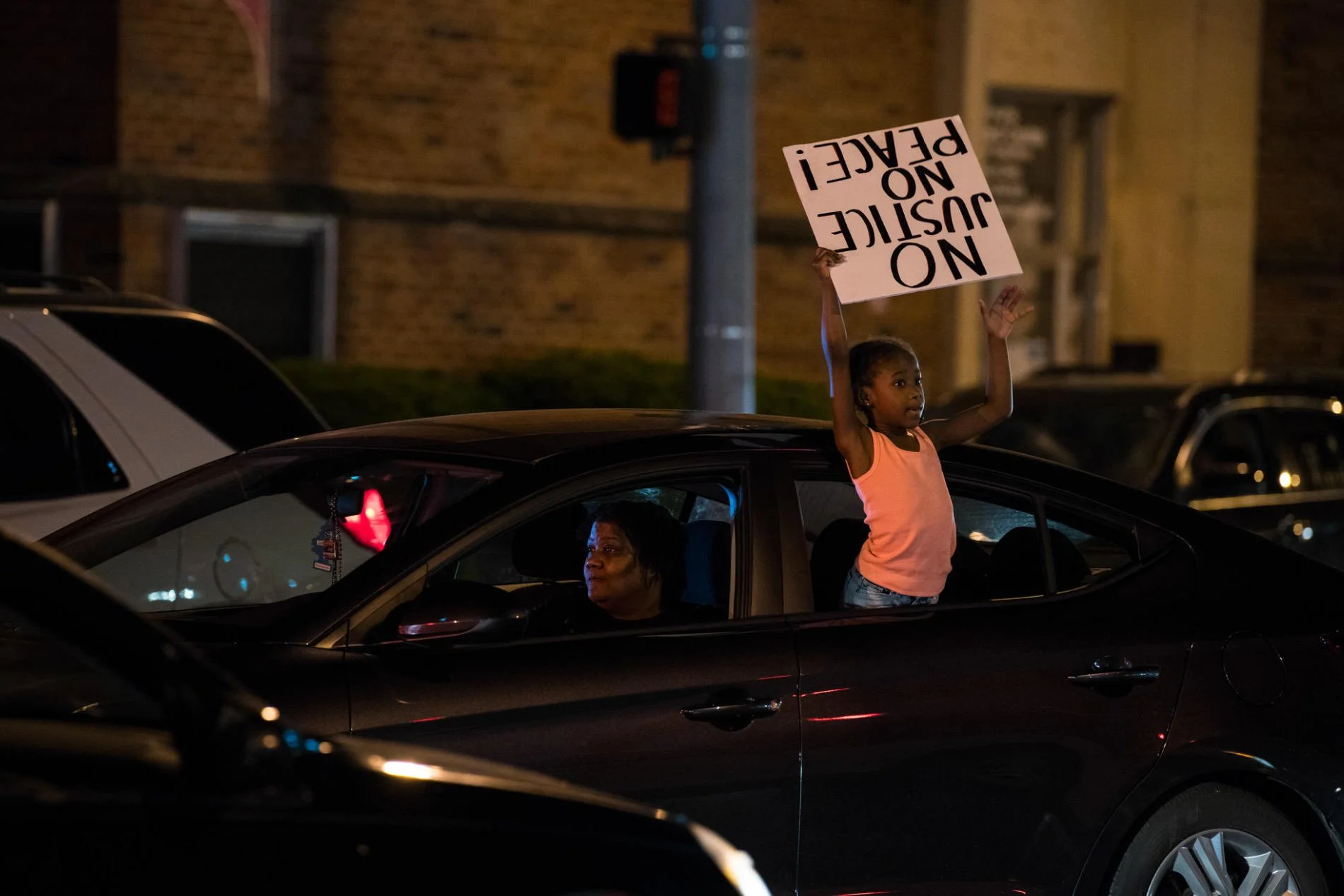
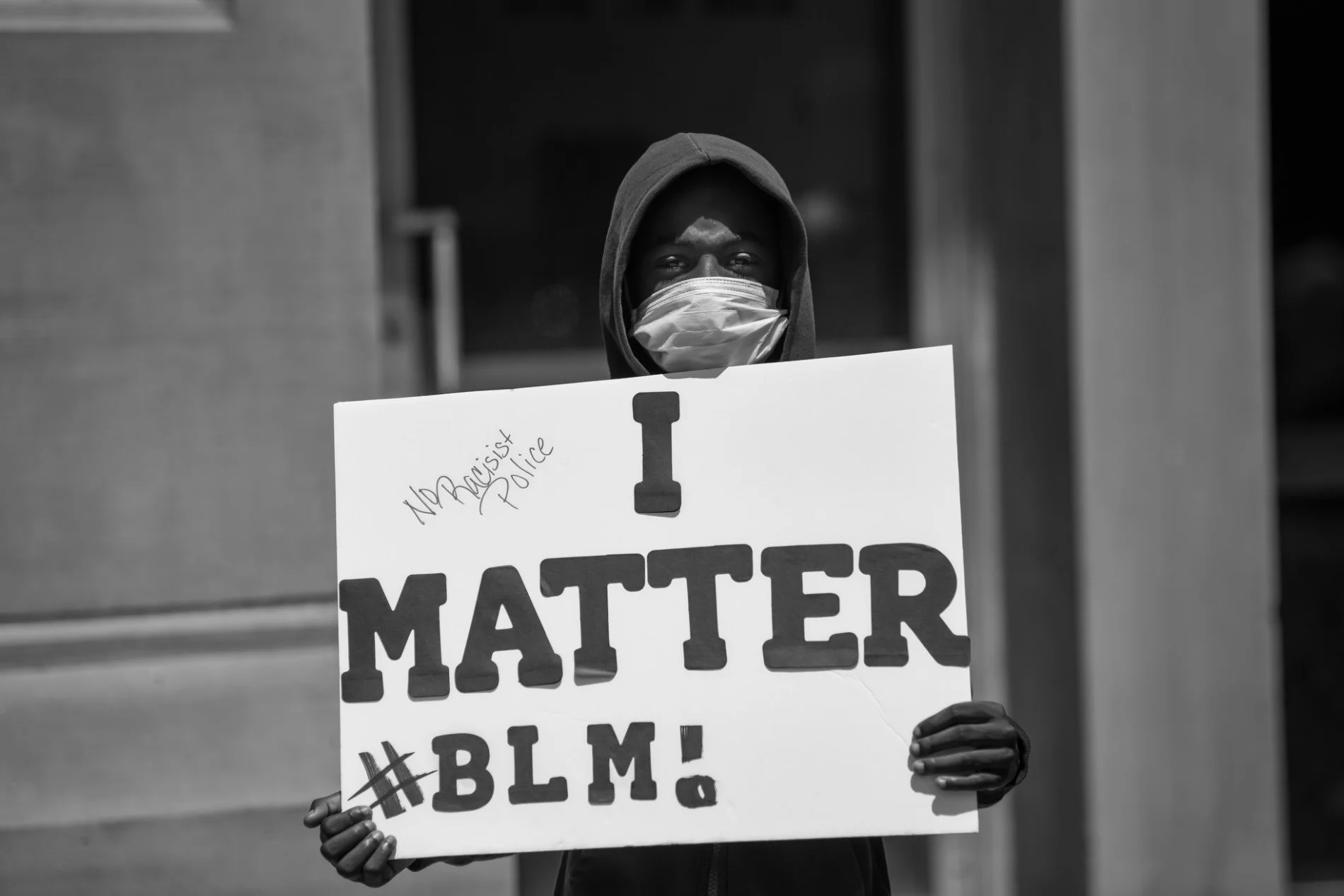
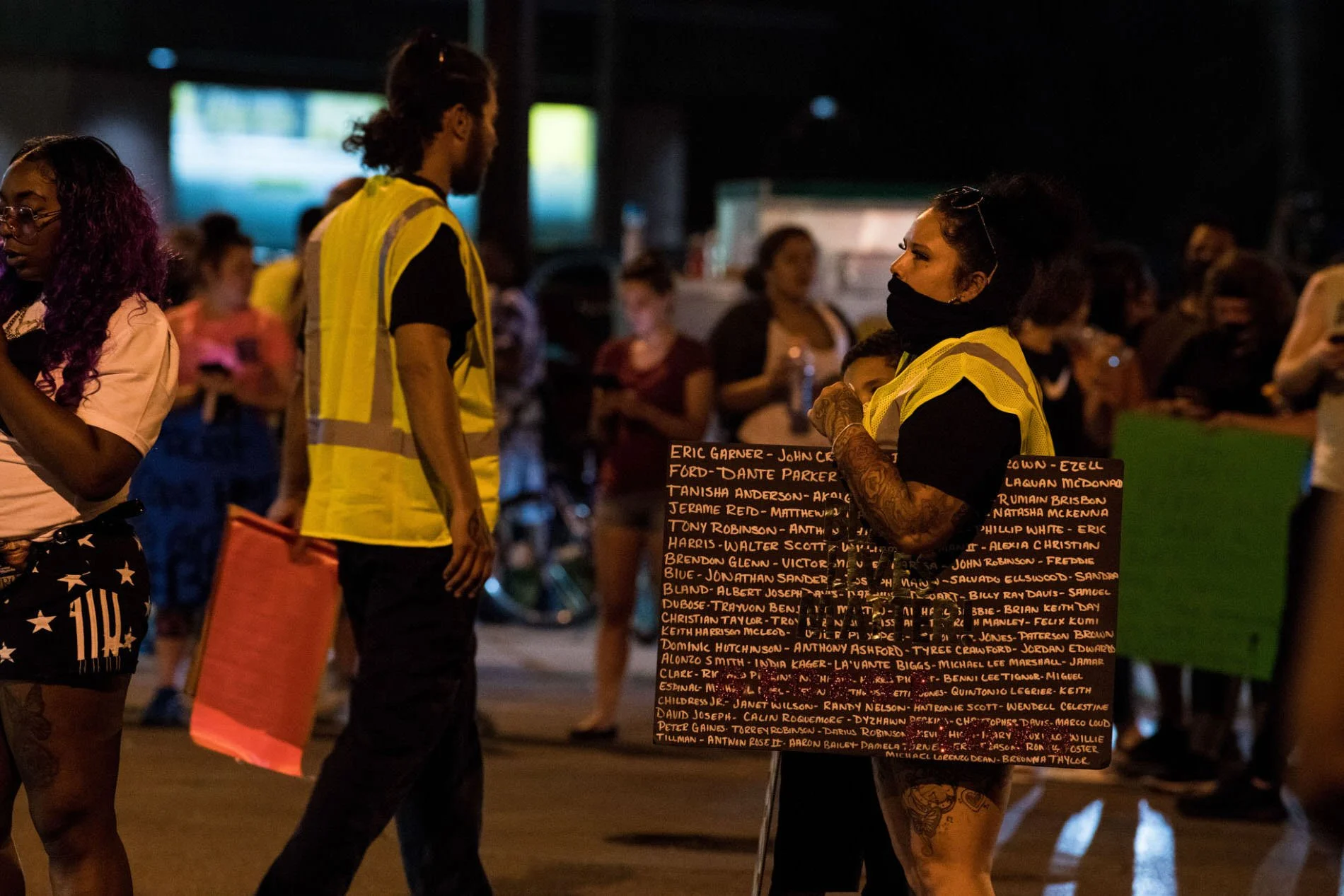
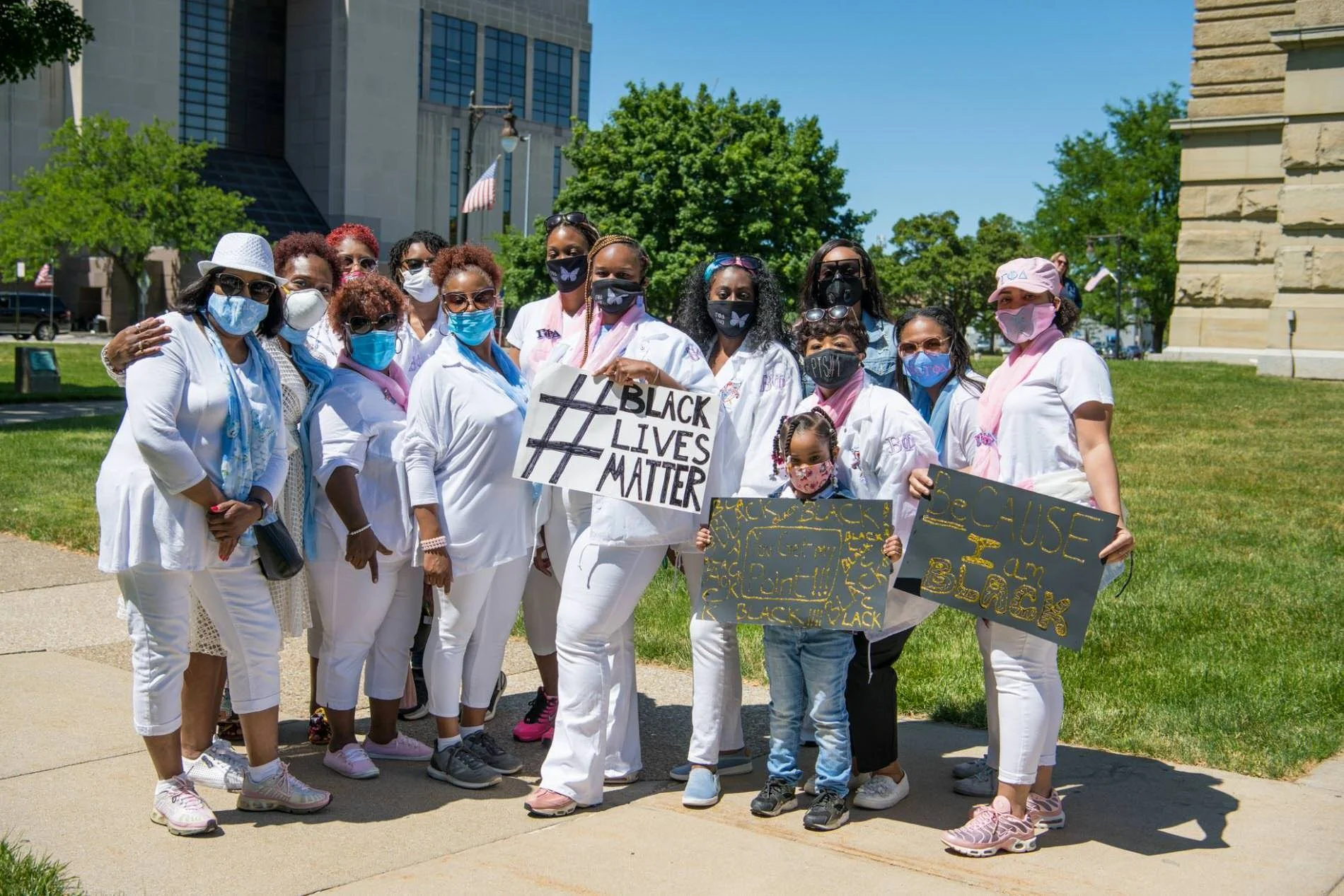
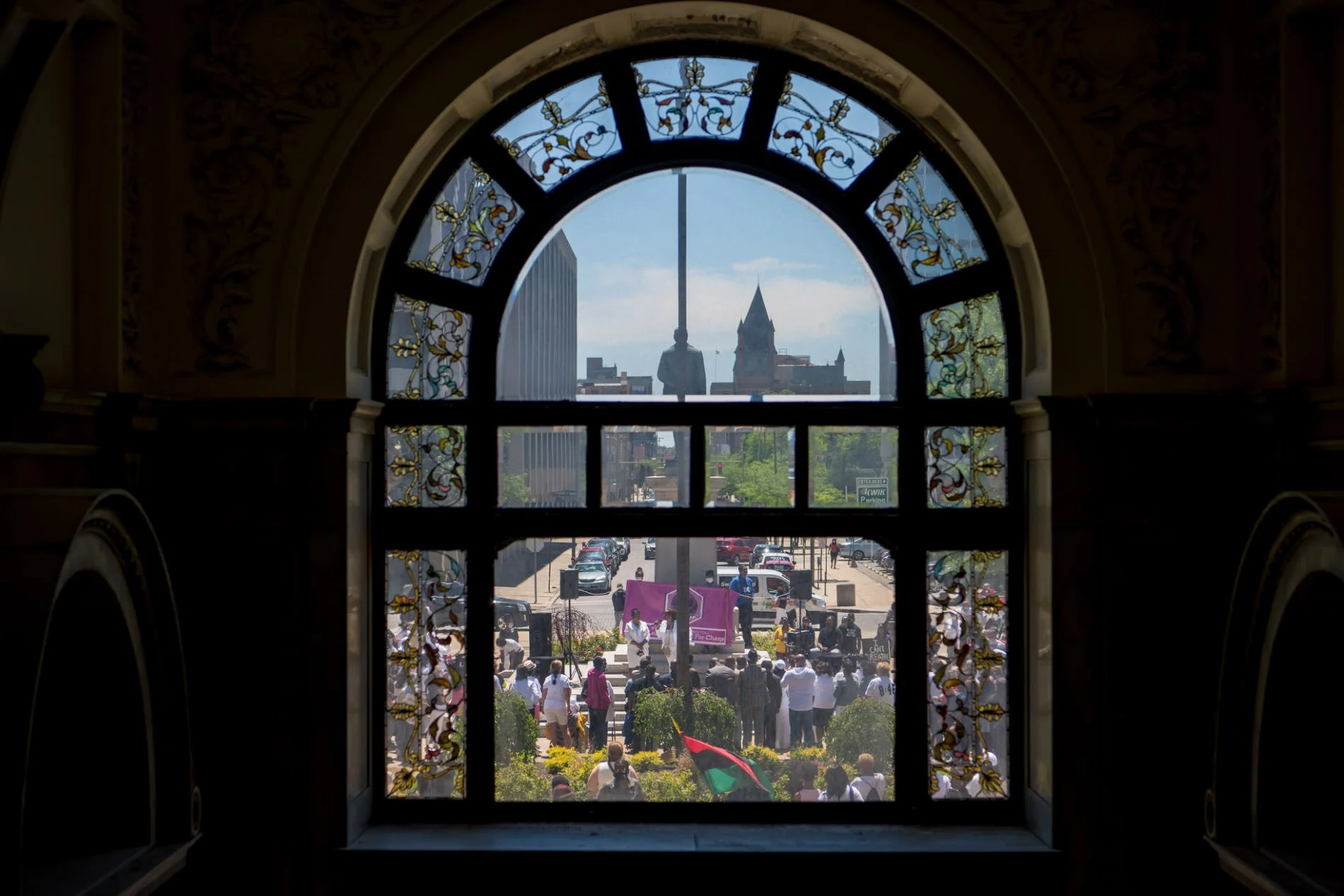
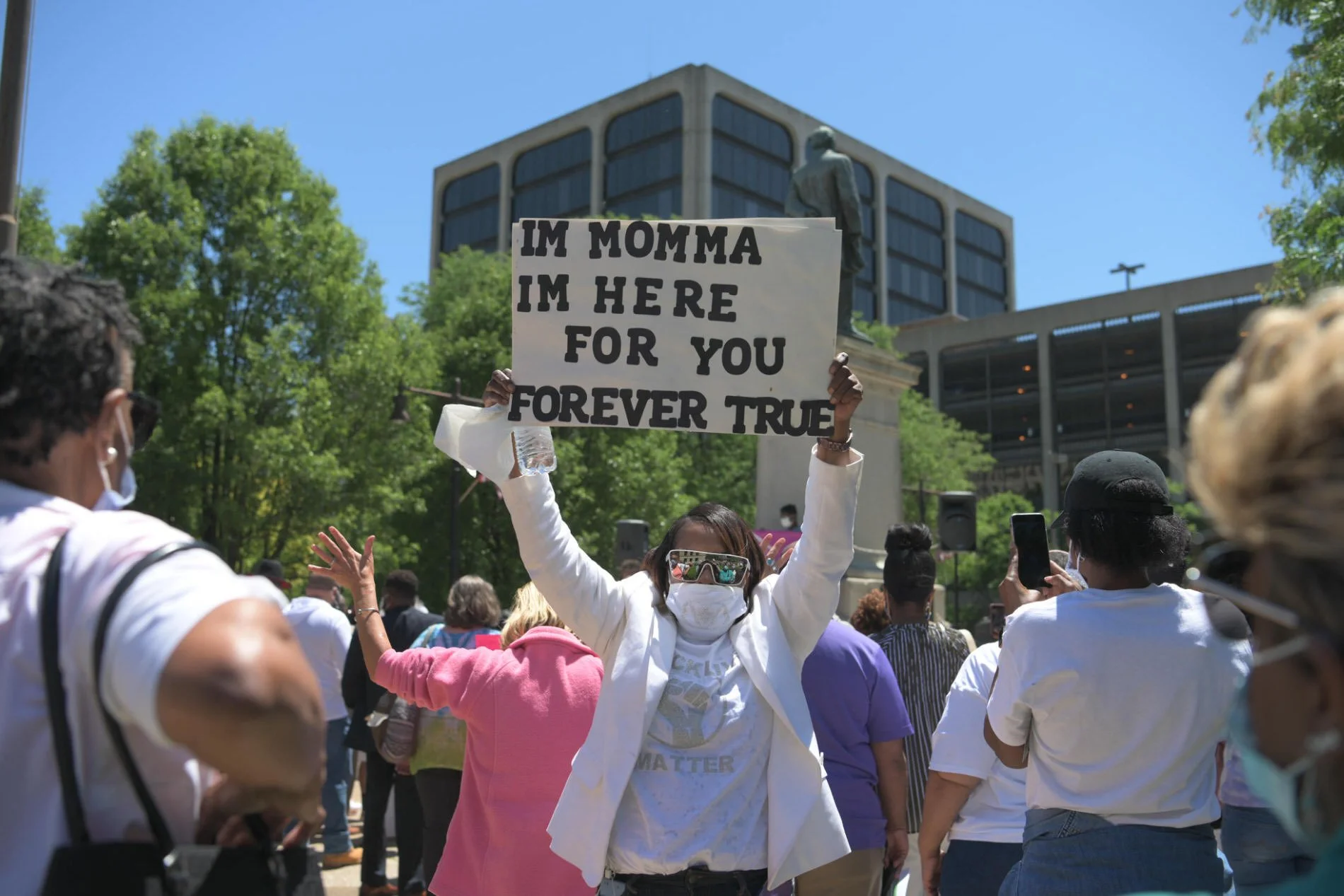
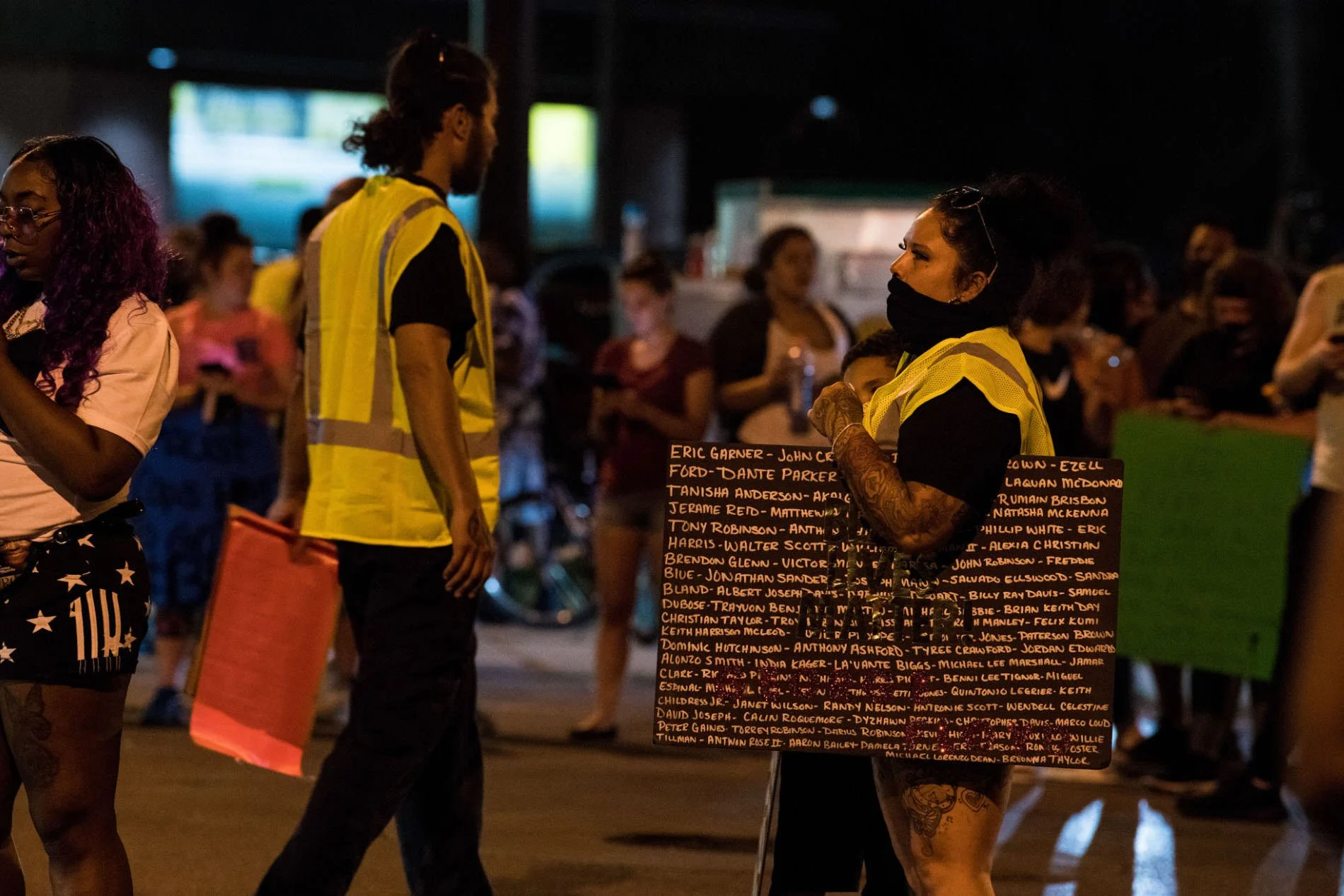
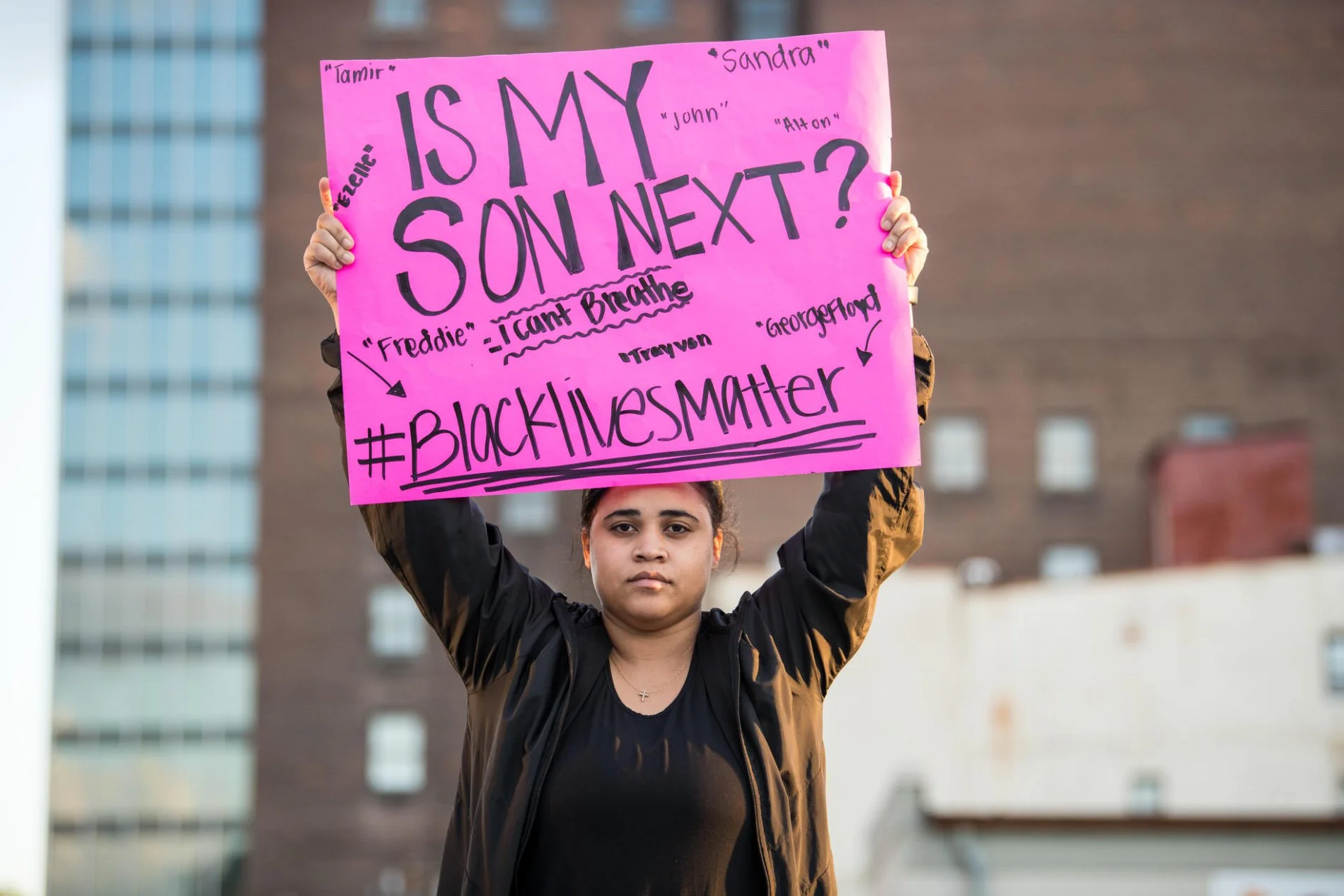
Following the death of George Floyd in May 2020, the Black Lives Matter movement was been the impetus behind thousands of protests calling for justice and equality. The fight to recognize and fix systemic racial inequalities in the United States has also opened the discussion up to a term many find themselves unfamiliar with; intersectionality.
Merriam-Webster defines intersectionality as “the complex, cumulative way in which the effects of multiple forms of discrimination (such as racism, sexism, and classism) combine, overlap, or intersect especially in the experiences of marginalized individuals or groups.”
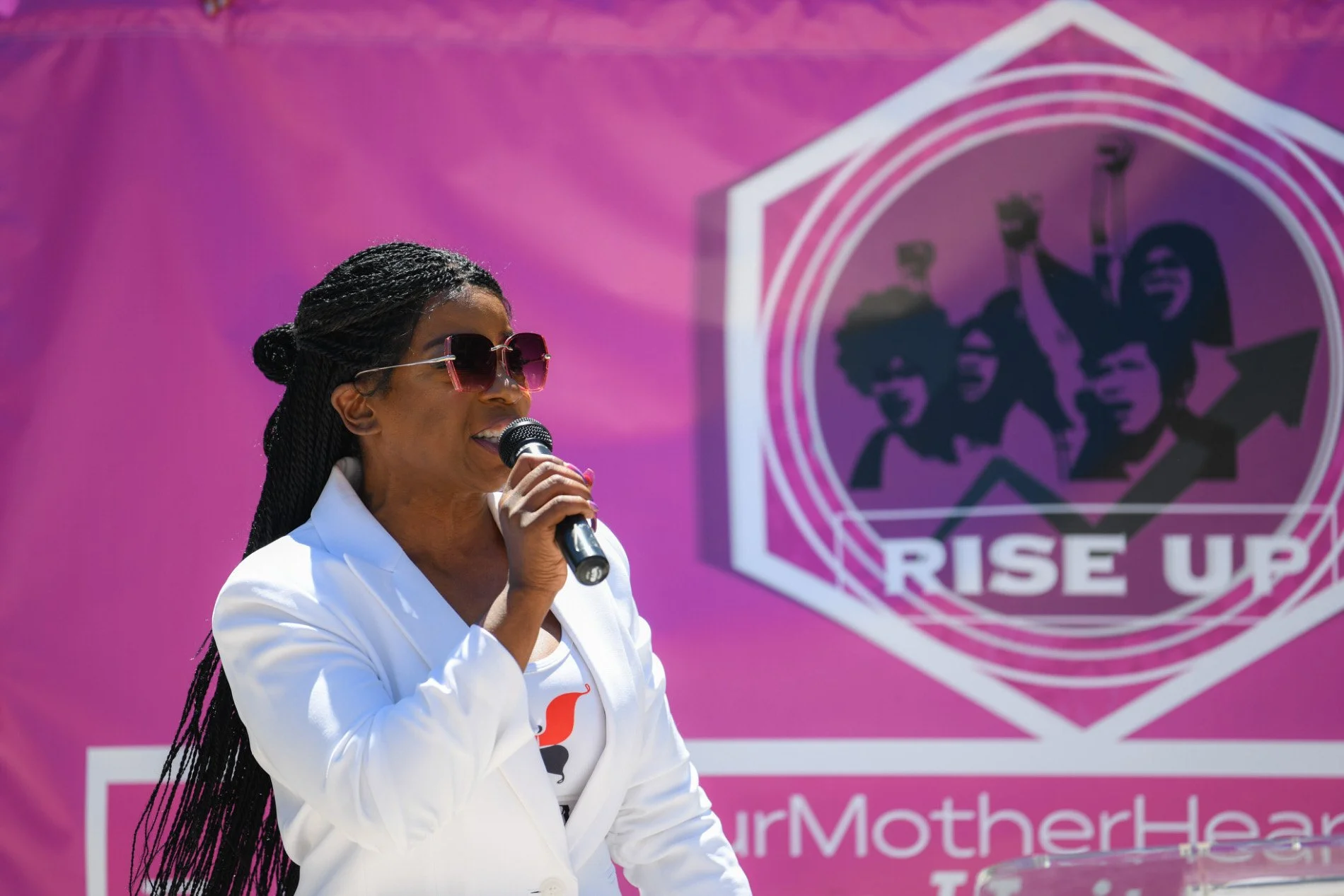
This can be taken a step further by understanding the environment’s role in the justice movement. Intersectional Environmentalism is critical for a truly sustainable future. Leah Thomas, an activist, explains that “Environmental justice is the intersection of both social justice and environmentalism, where the inequity in environmental degradation is also considered.”
The environment and health of our most vulnerable communities go hand in hand. The rights of human beings and the rights of nature to flourish are connected by a common thread. They are worthy of exploration and further understanding.
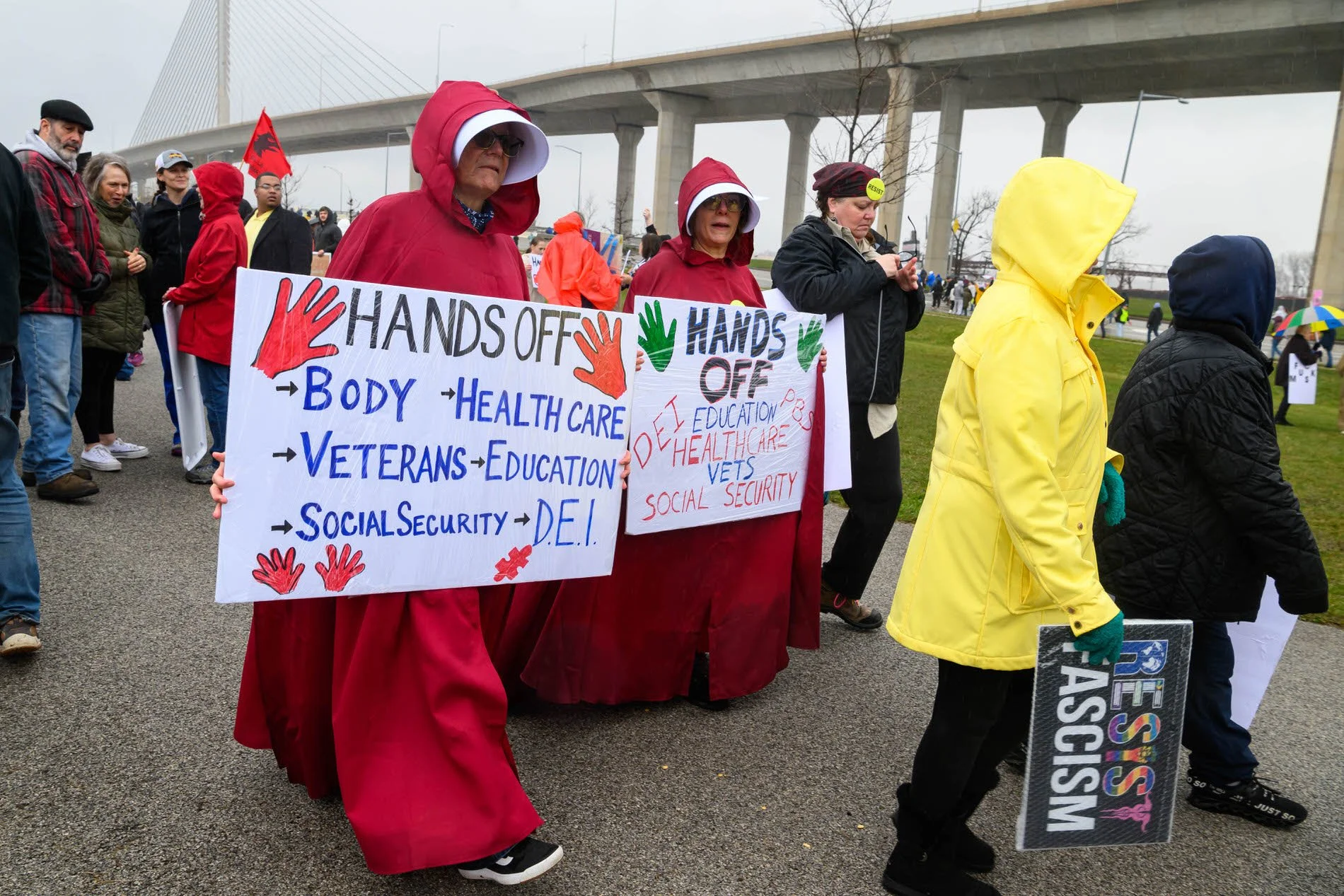
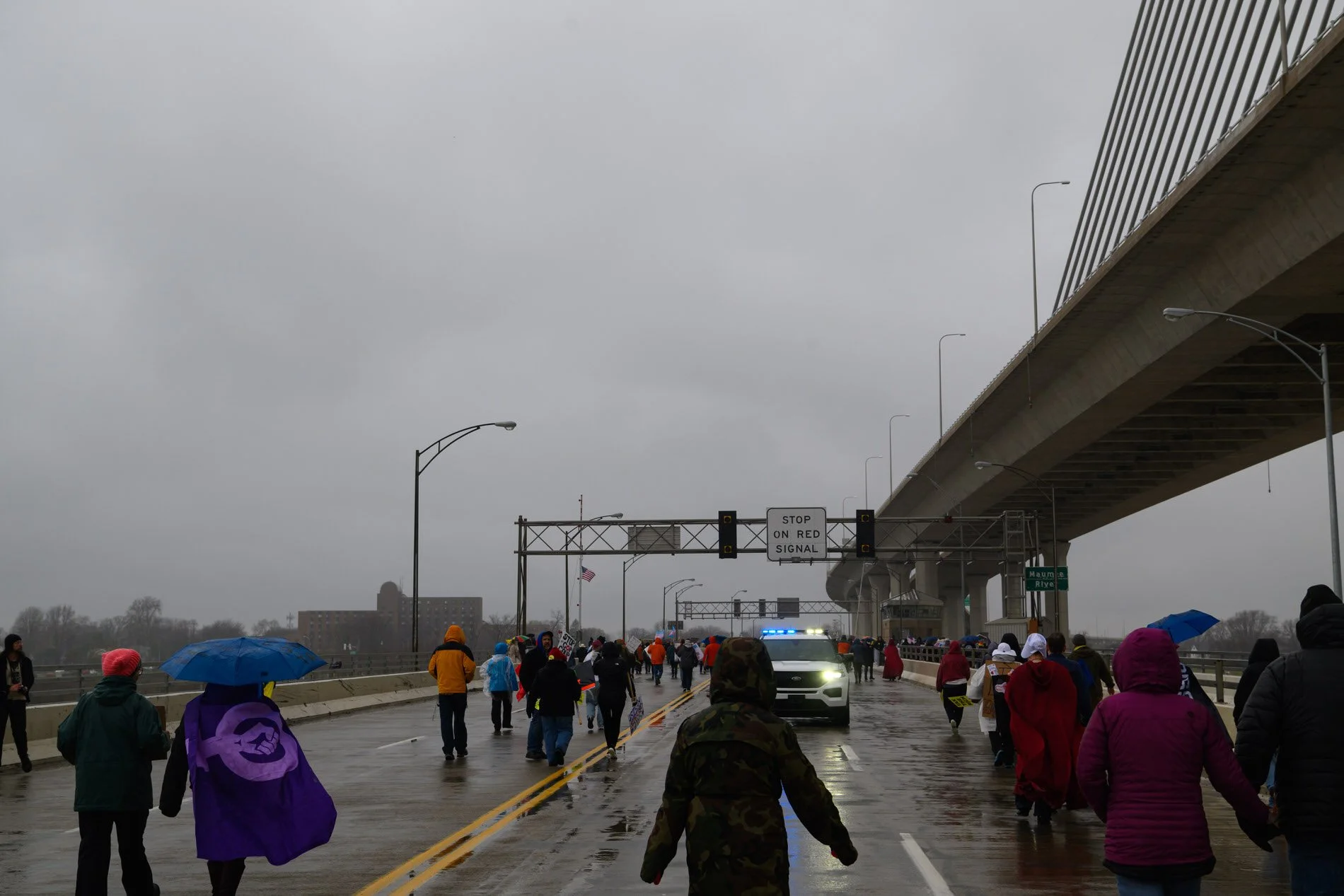
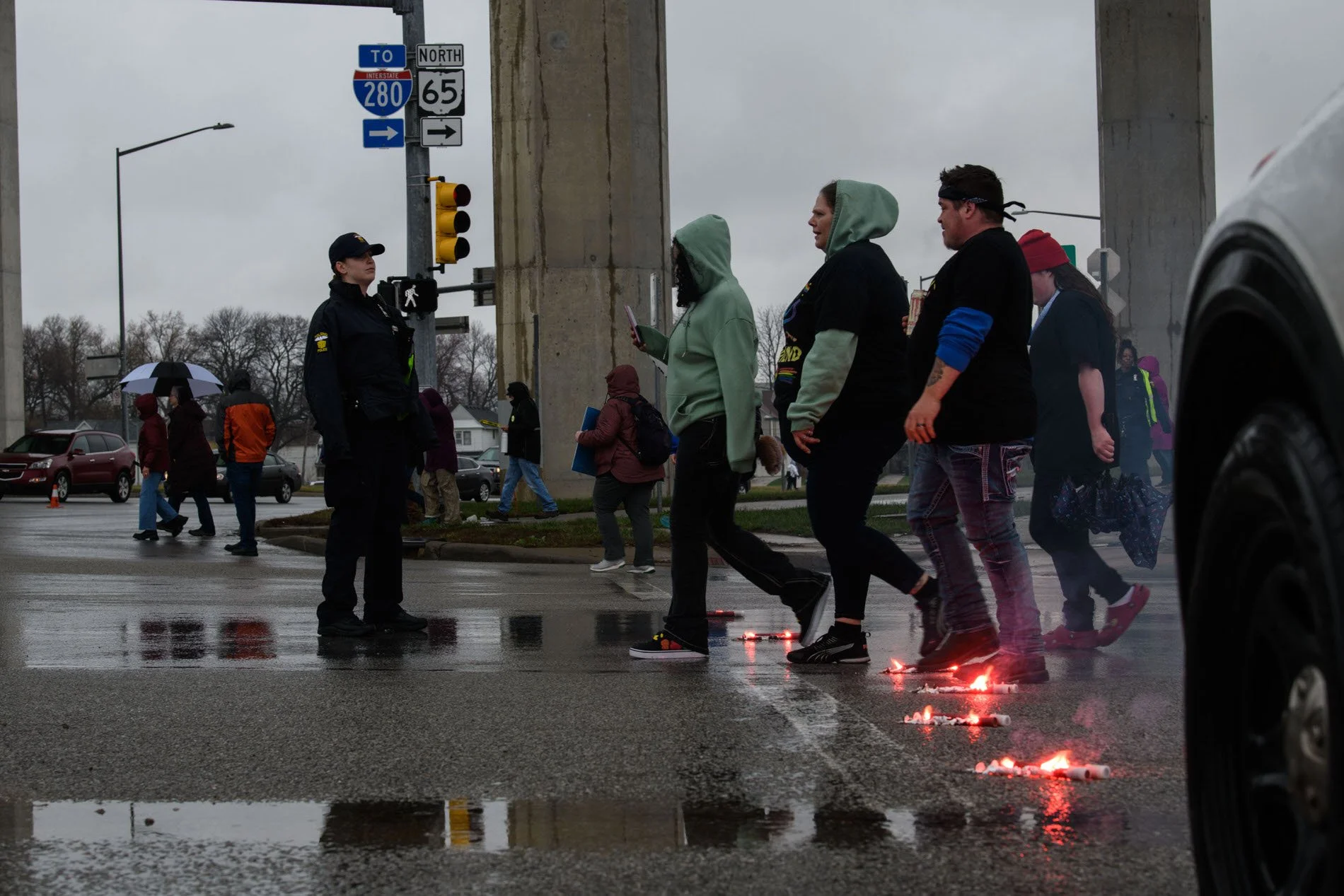
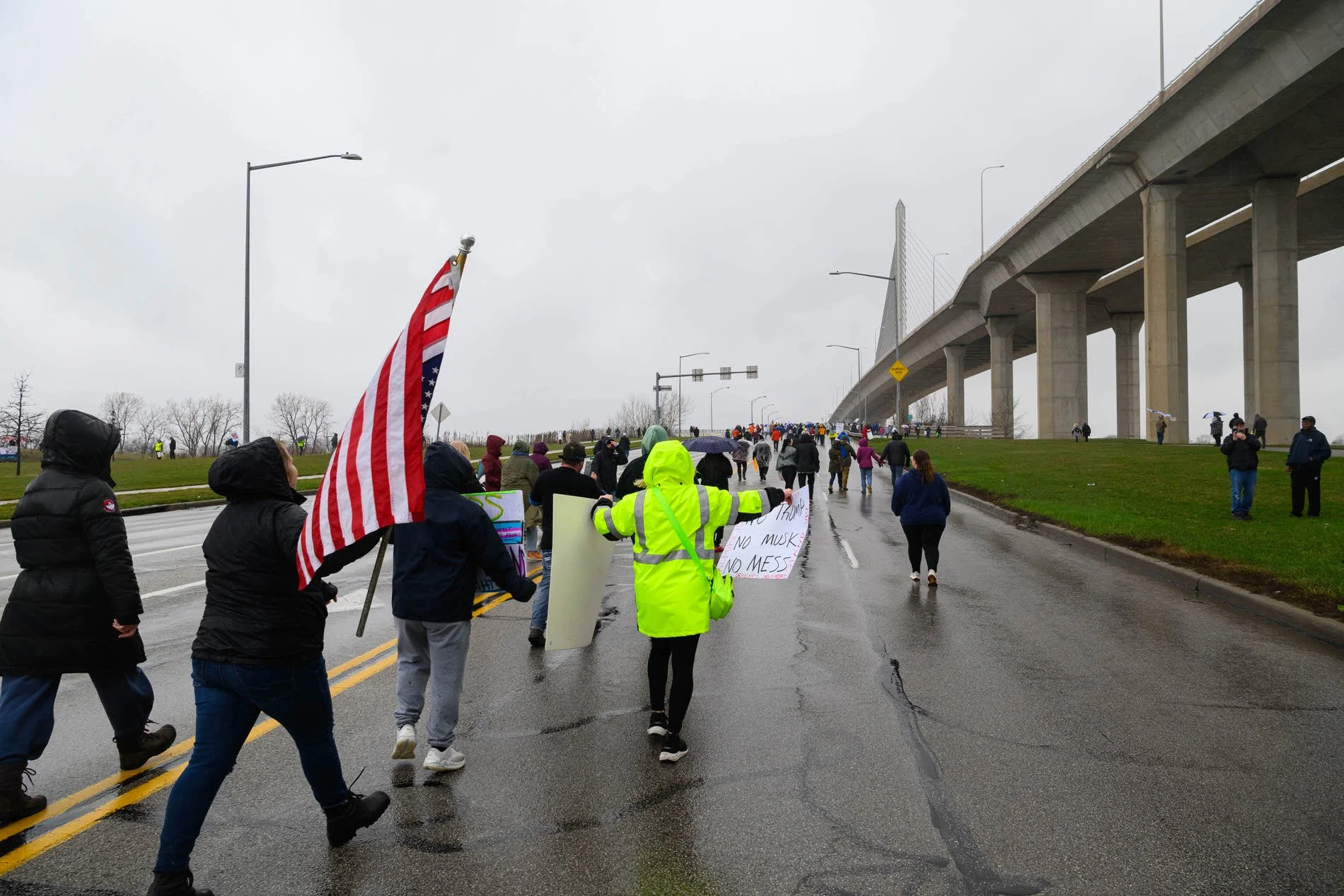
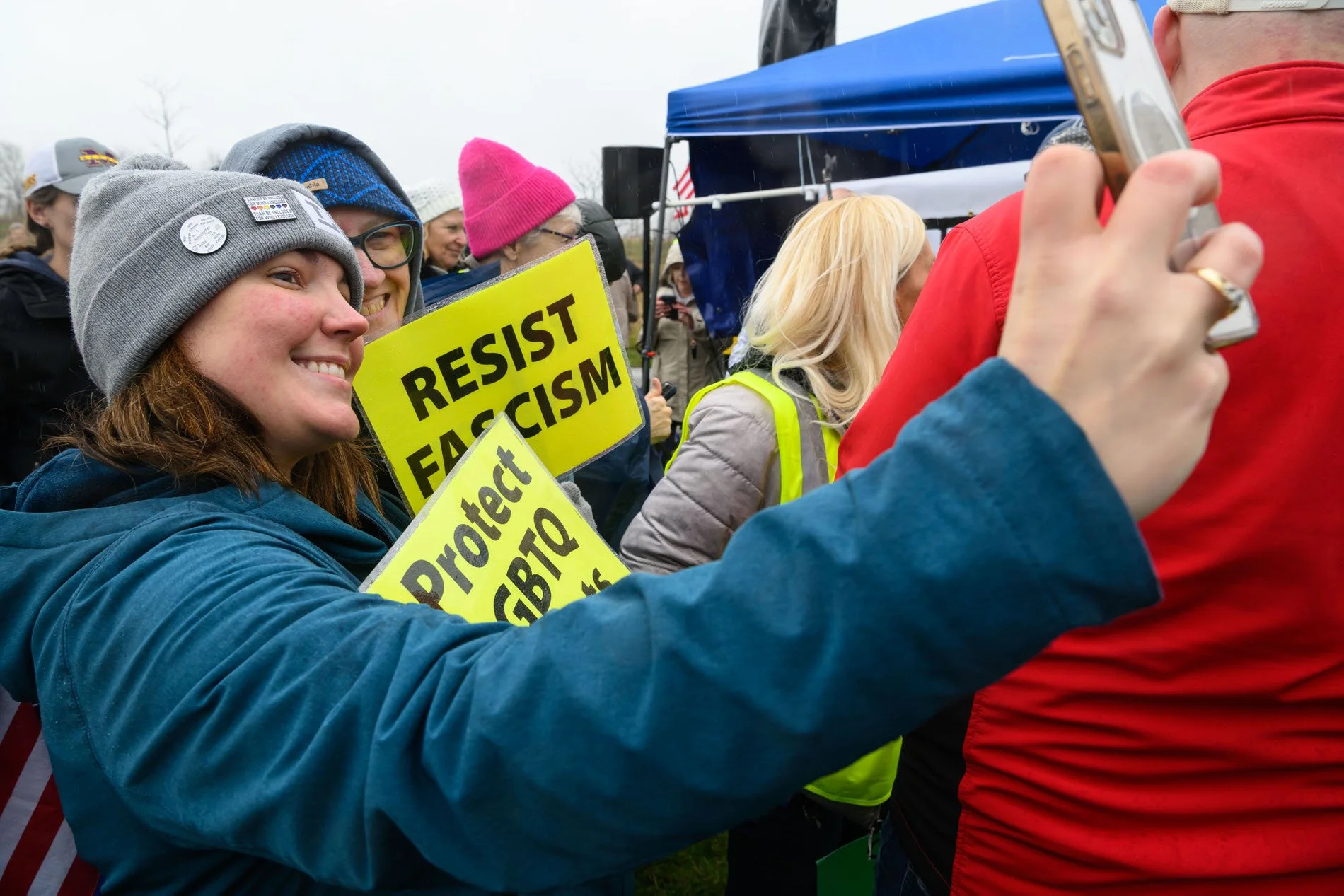
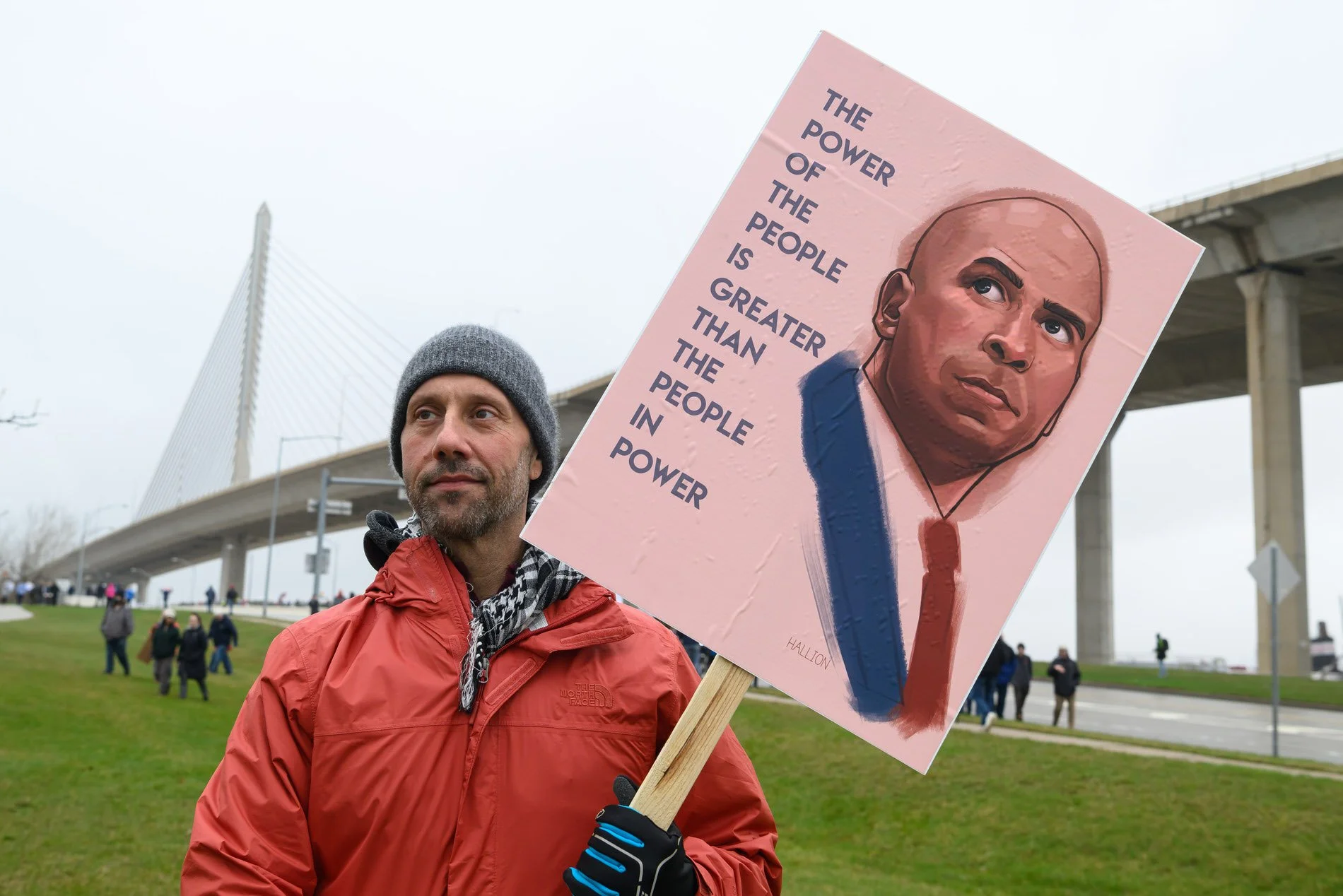
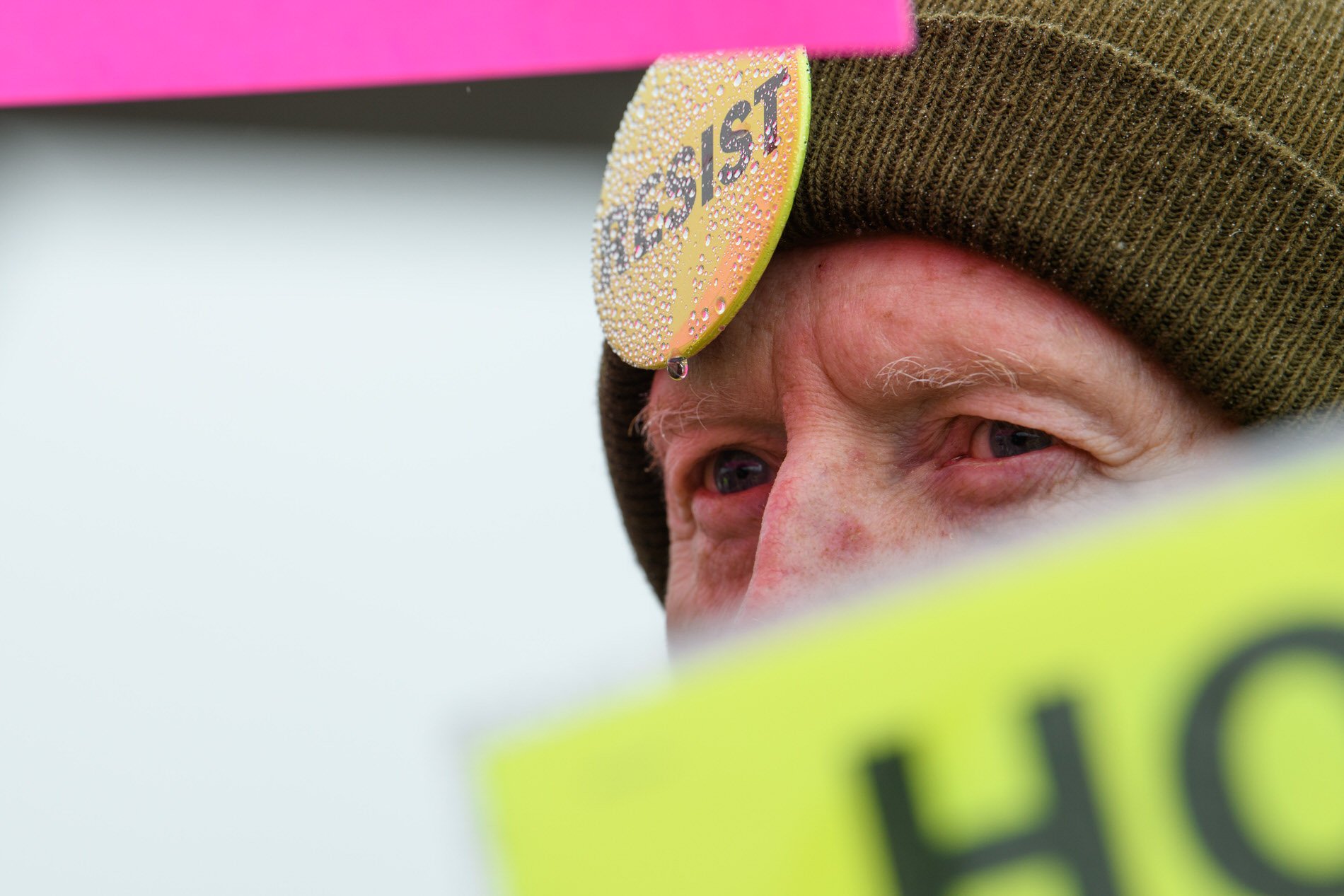
As 2025 progresses, many in the 50501 and associated movements are calling for the rights of others to be protected, to save democracy, and end what they perceive as a quick slide toward fascism. According to research, it only takes 3.5% of a population to protest for change to occur.