Sumatra
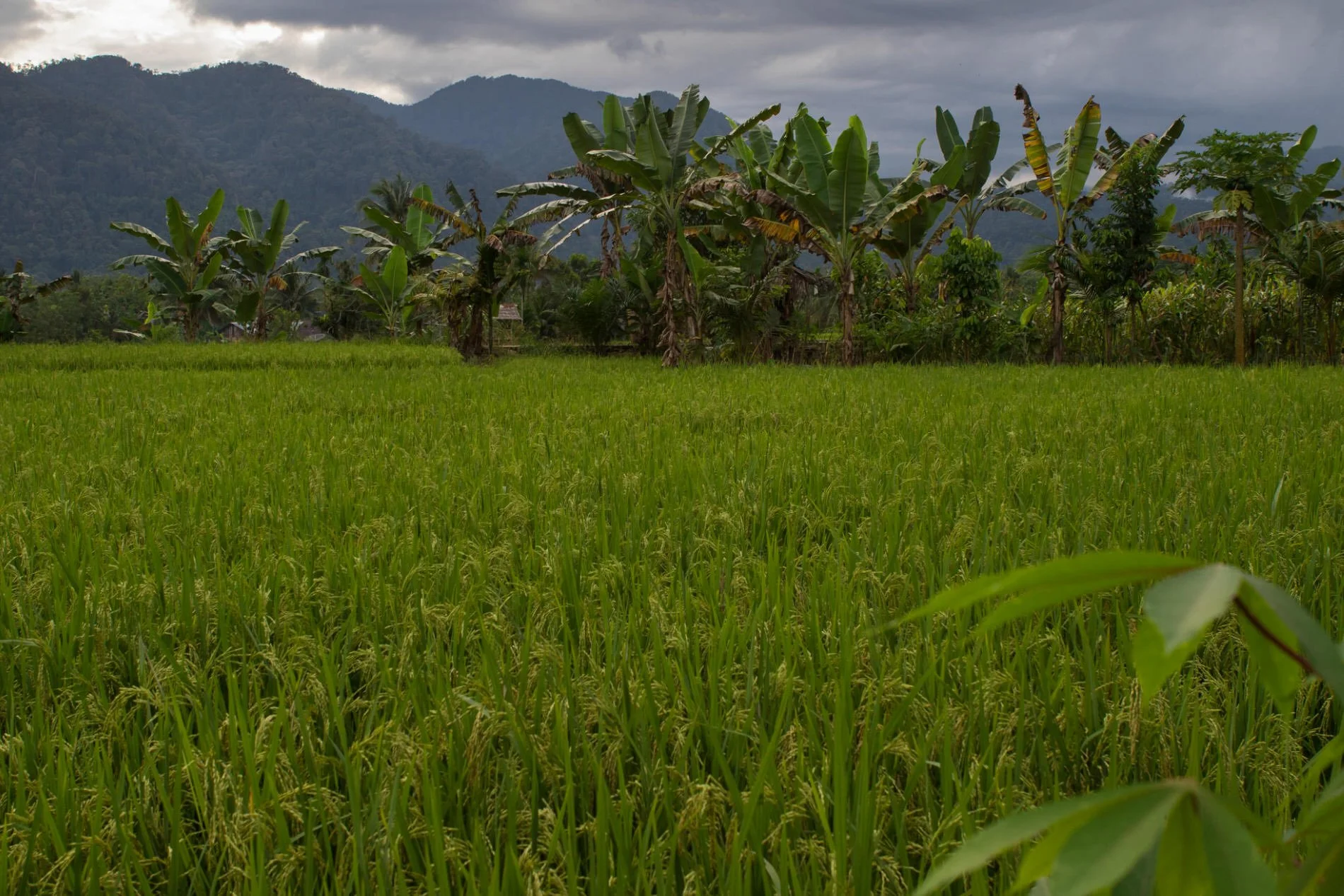
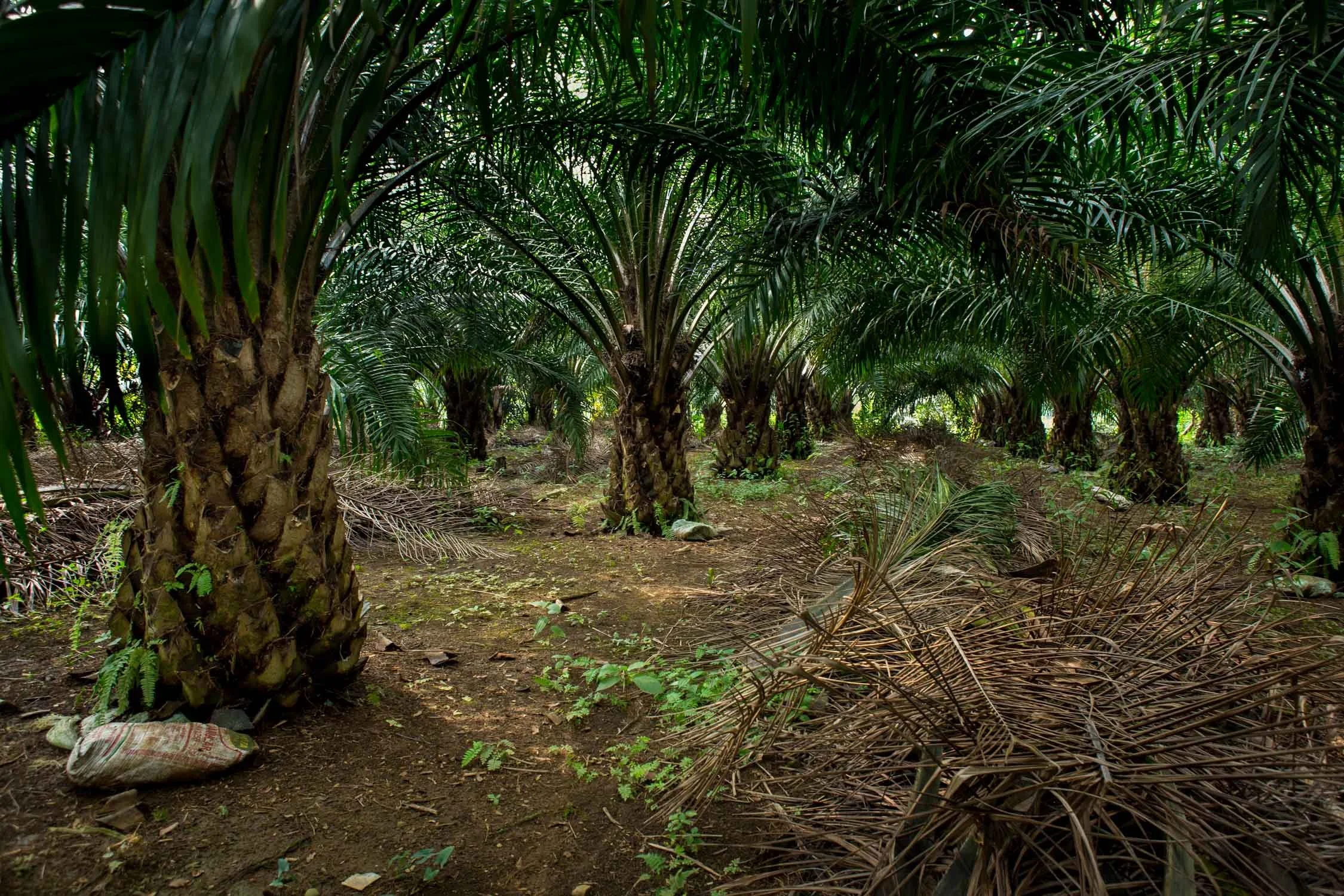
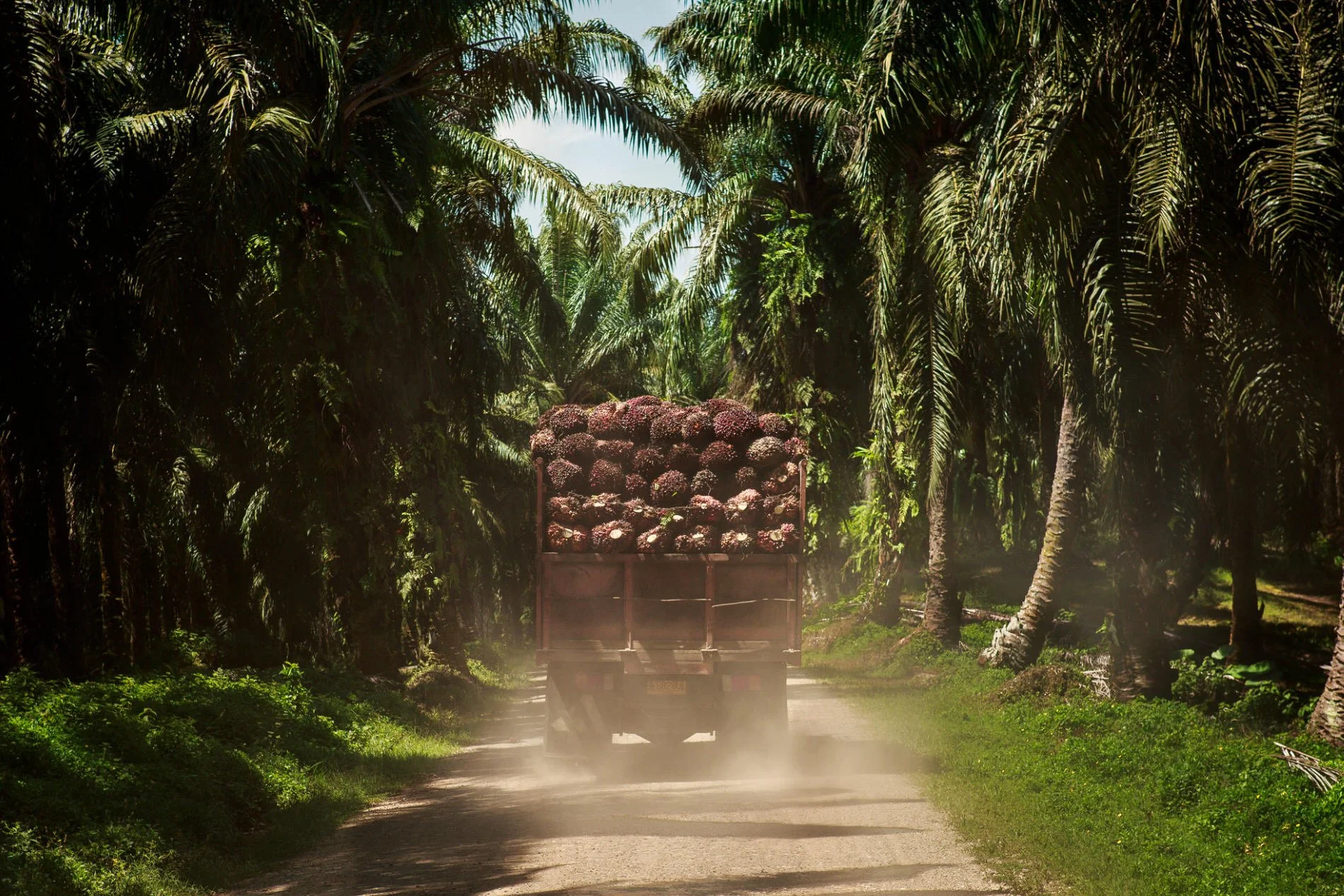
Drive three hours in any direction and for the majority of the journey, palm oil trees line the road as far as the eye can see.
(This project won Highly Honored Conservation Story in Nature’s Best 2019 International Competition. In addition, some of the photographs from this project were published in Photographers without Borders Magazine.)
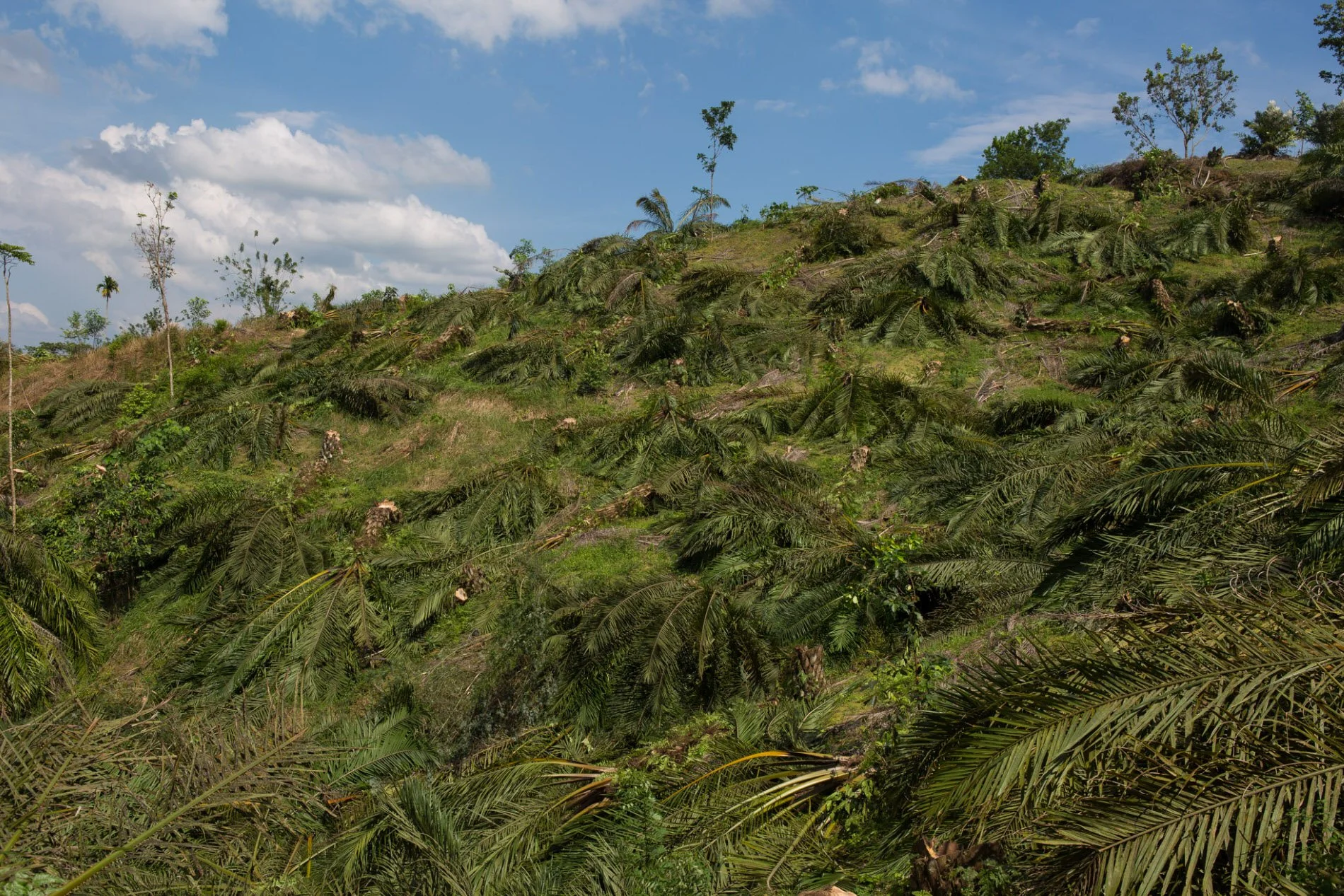
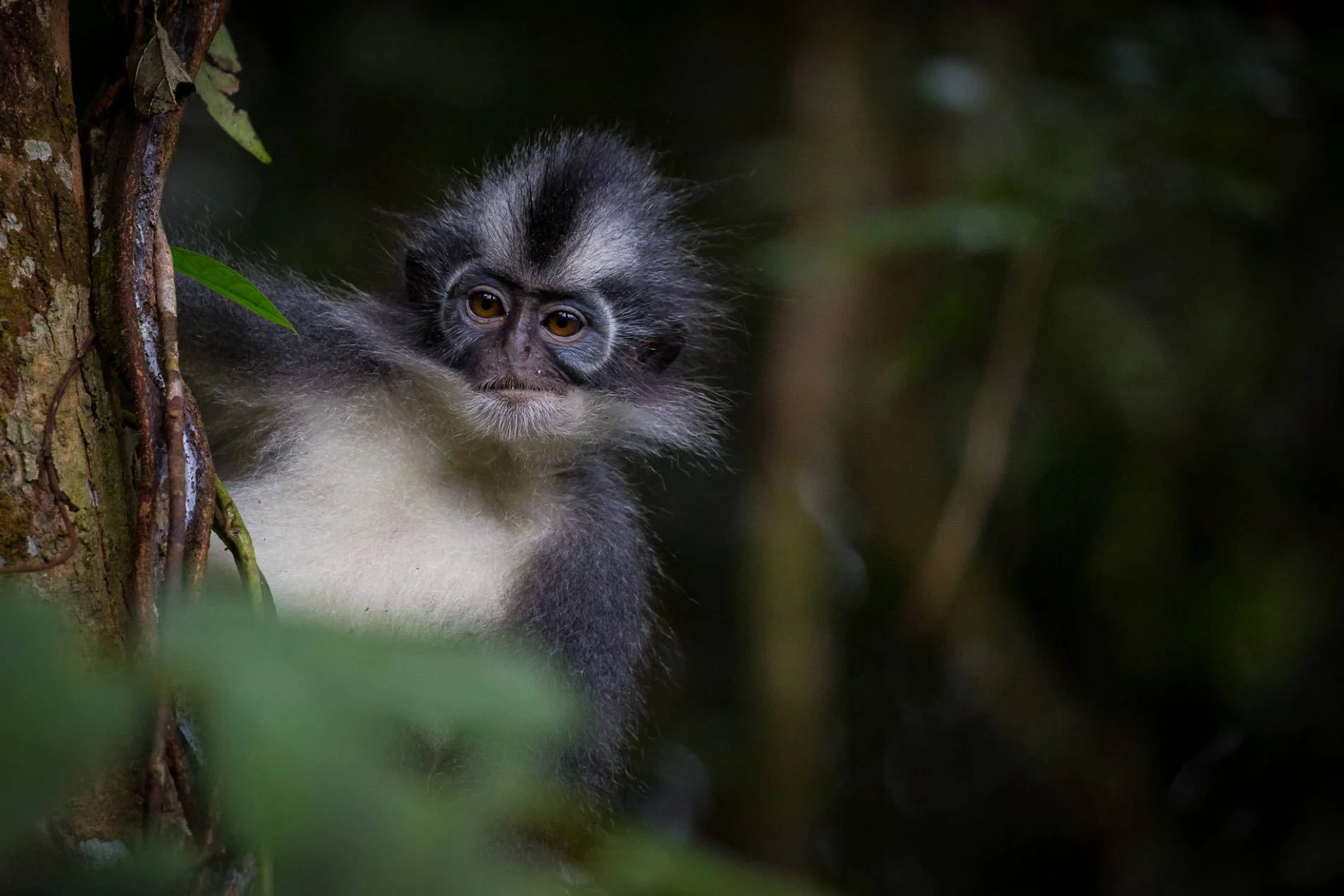
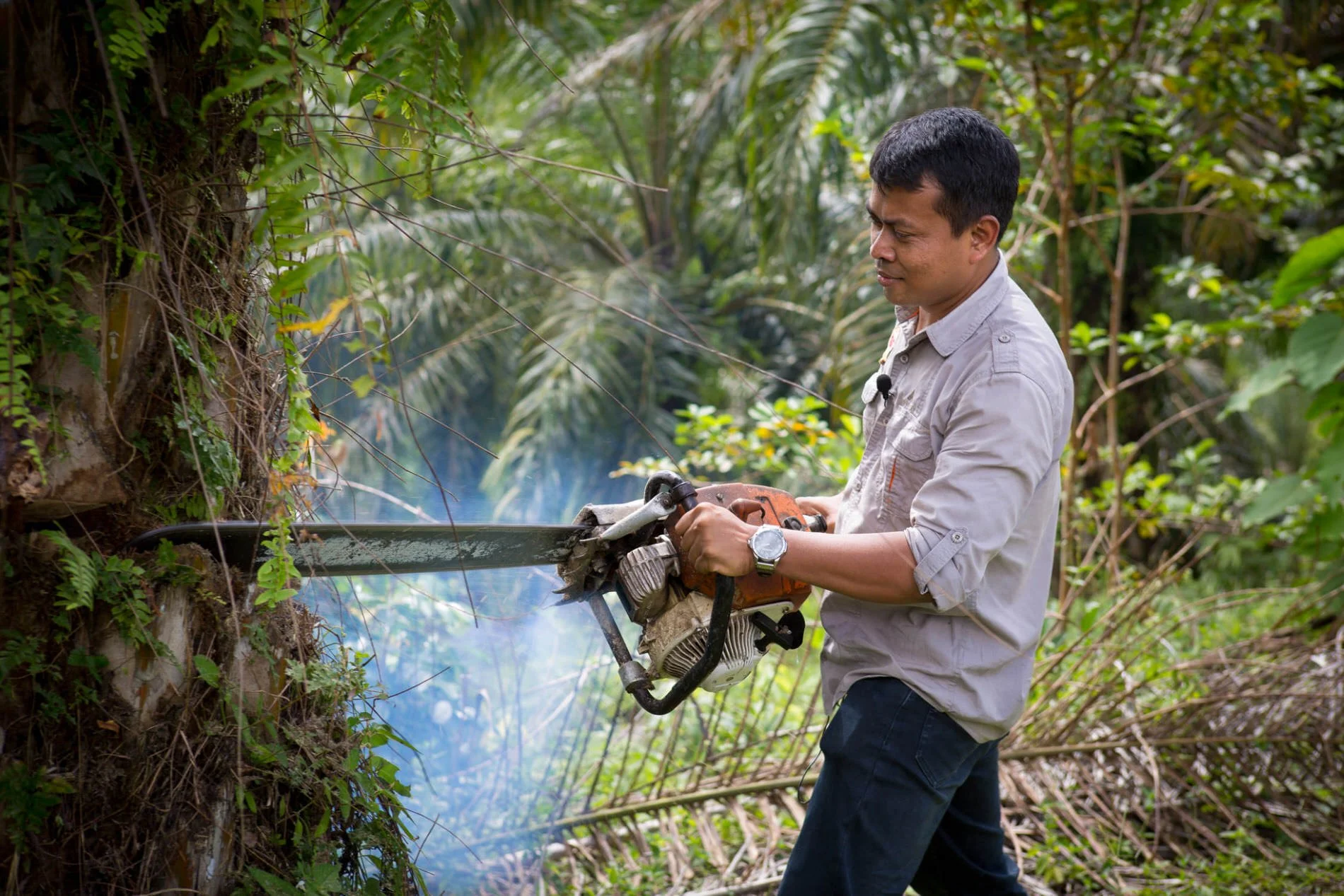
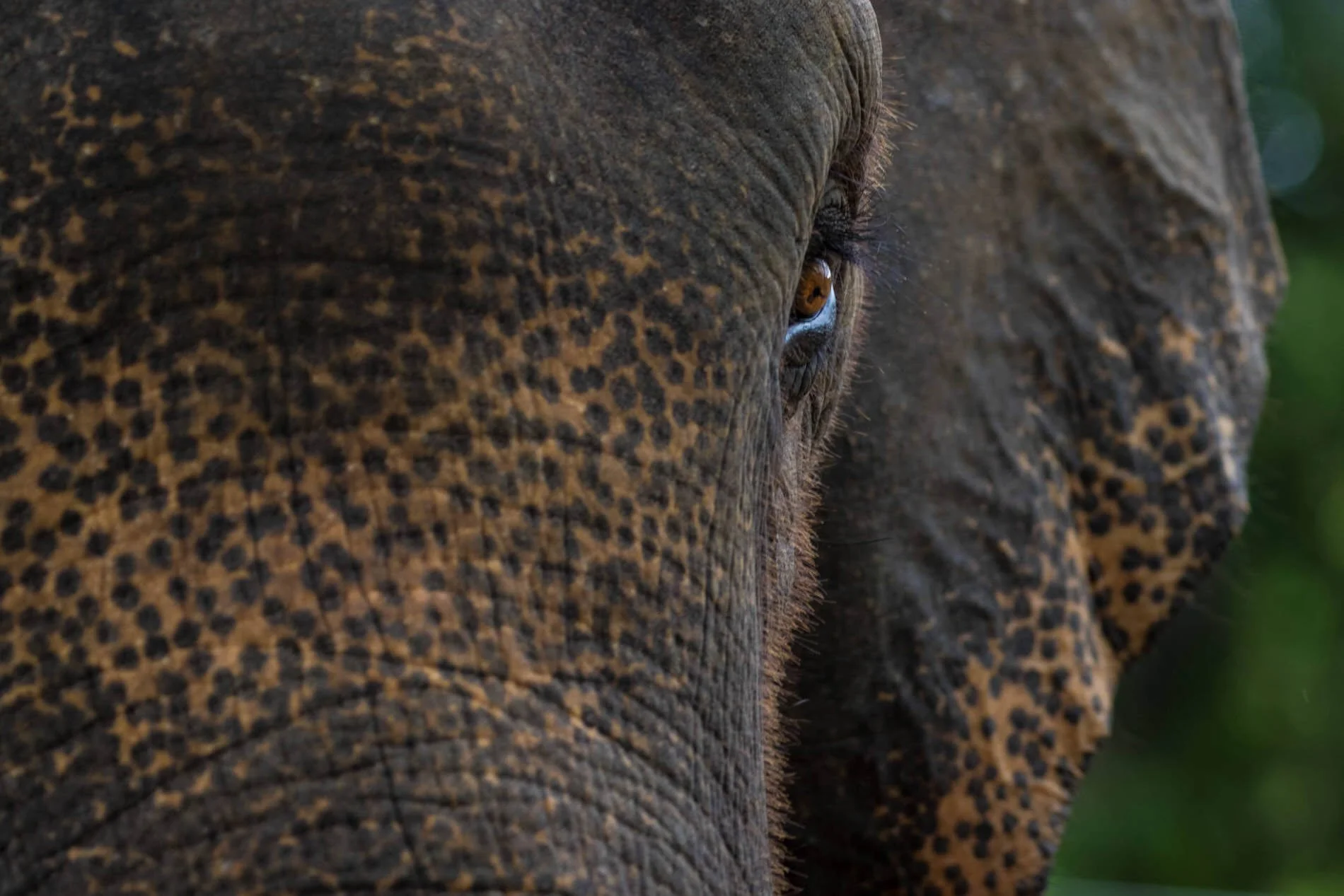
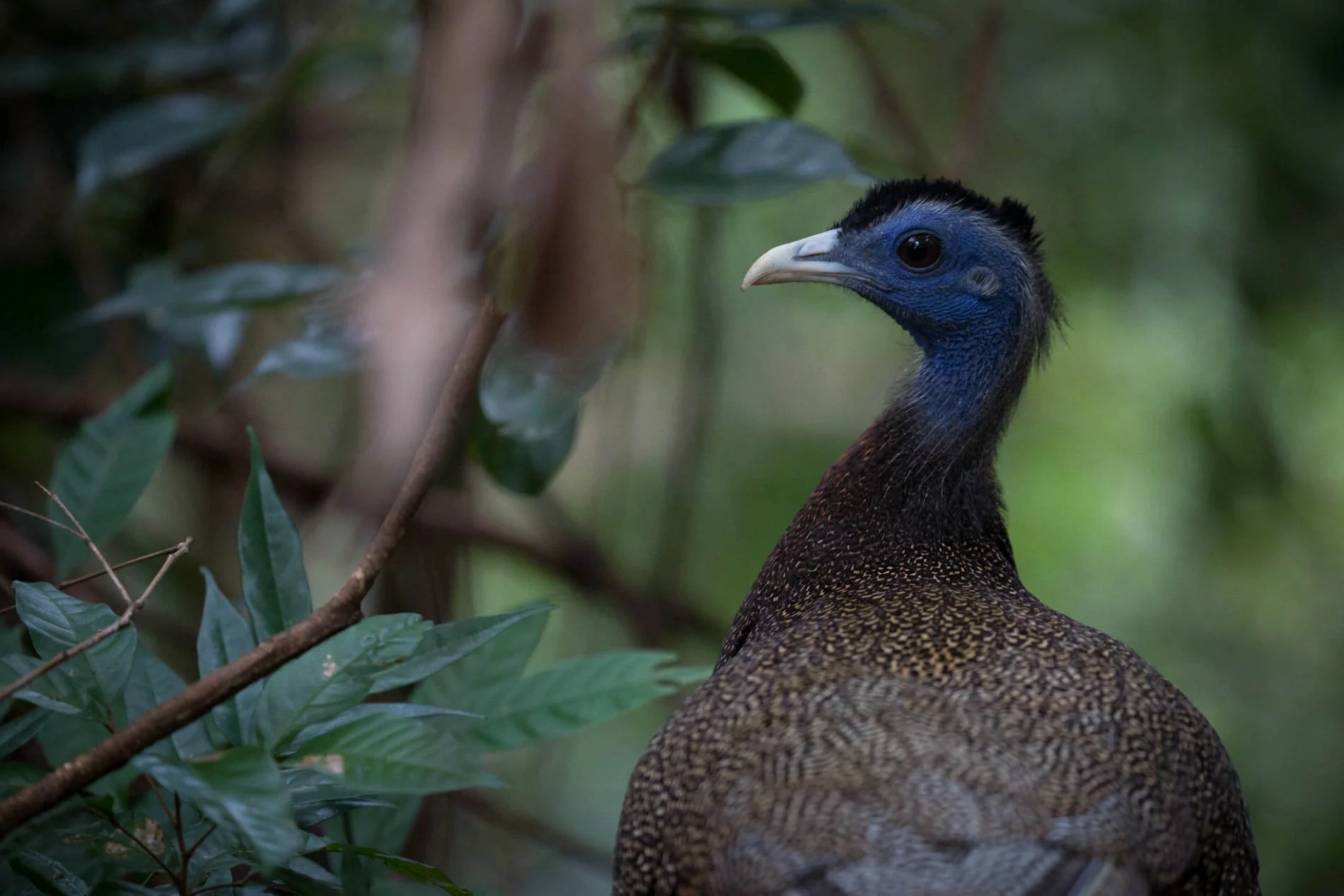
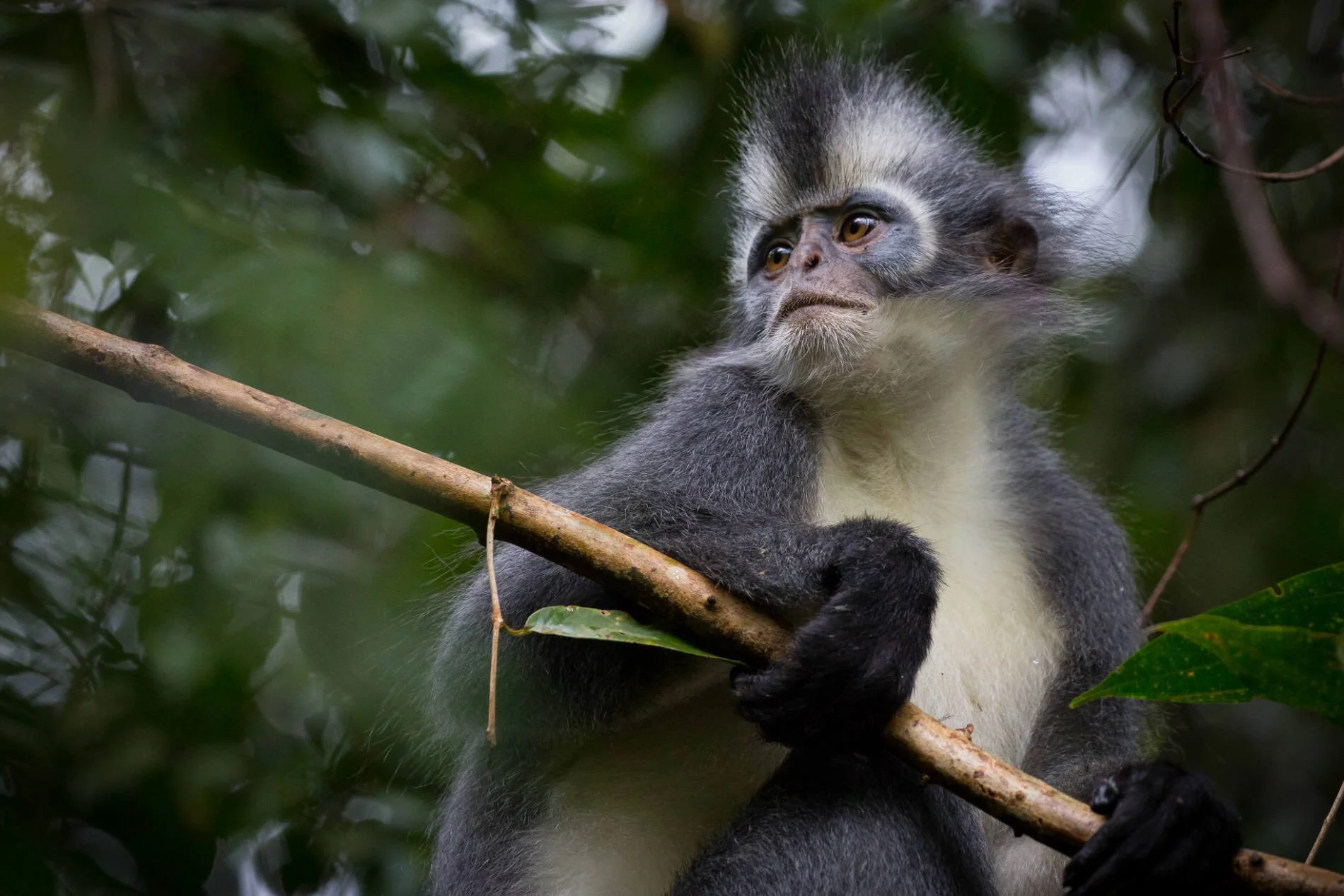
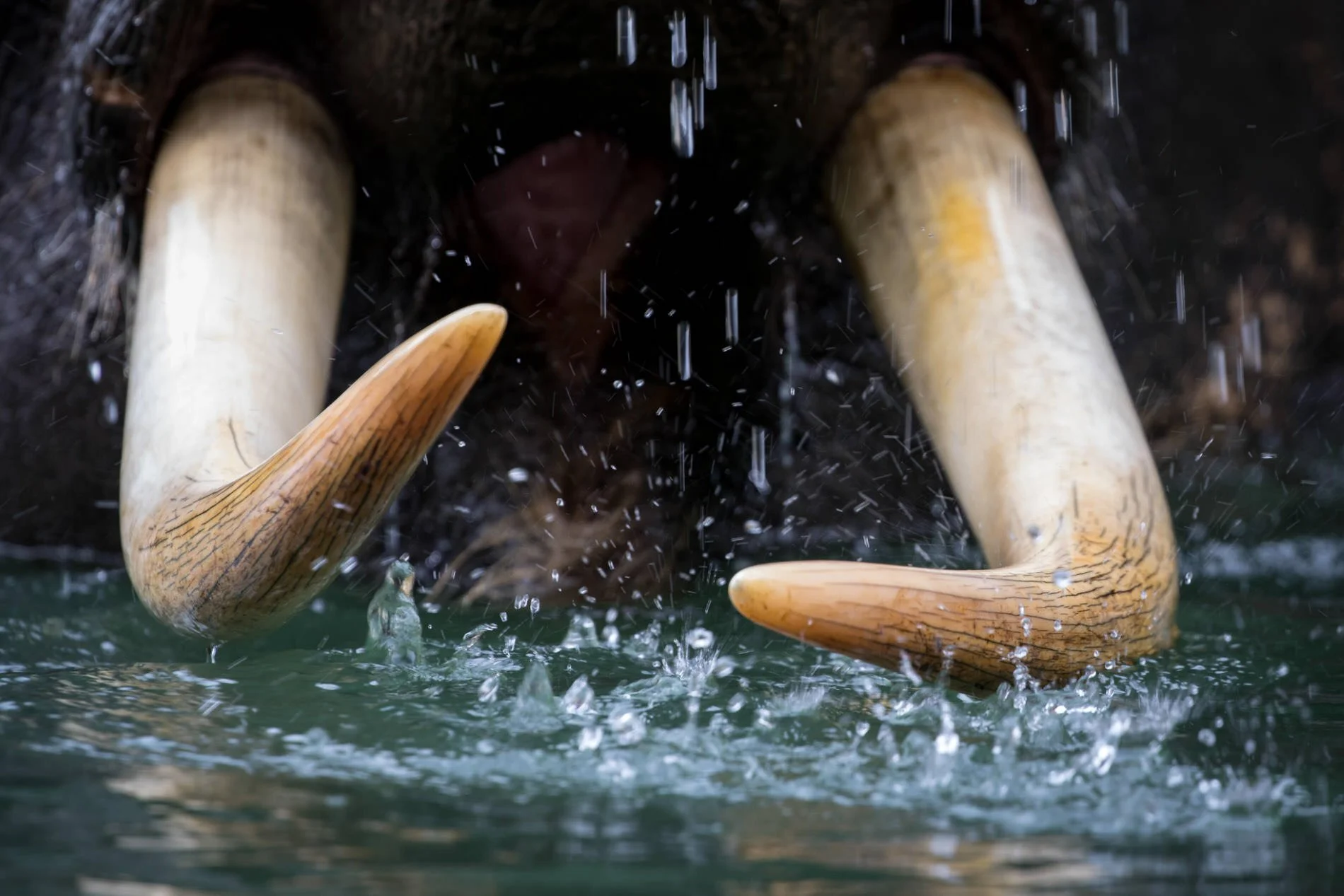
Dirt roads throughout Sumatra are lined with rows of palm oil trees. Overflowing trucks pass with loads of the harvest. The illegal encroachment and massive deforestation due to these plantations have destroyed much of the only tropical rain forests left in Sumatra. This is the only place left in the world that could be a real-life Jungle Book, where the tiger, rhino, elephant, and Sumatran orangutan are all struggling to survive.
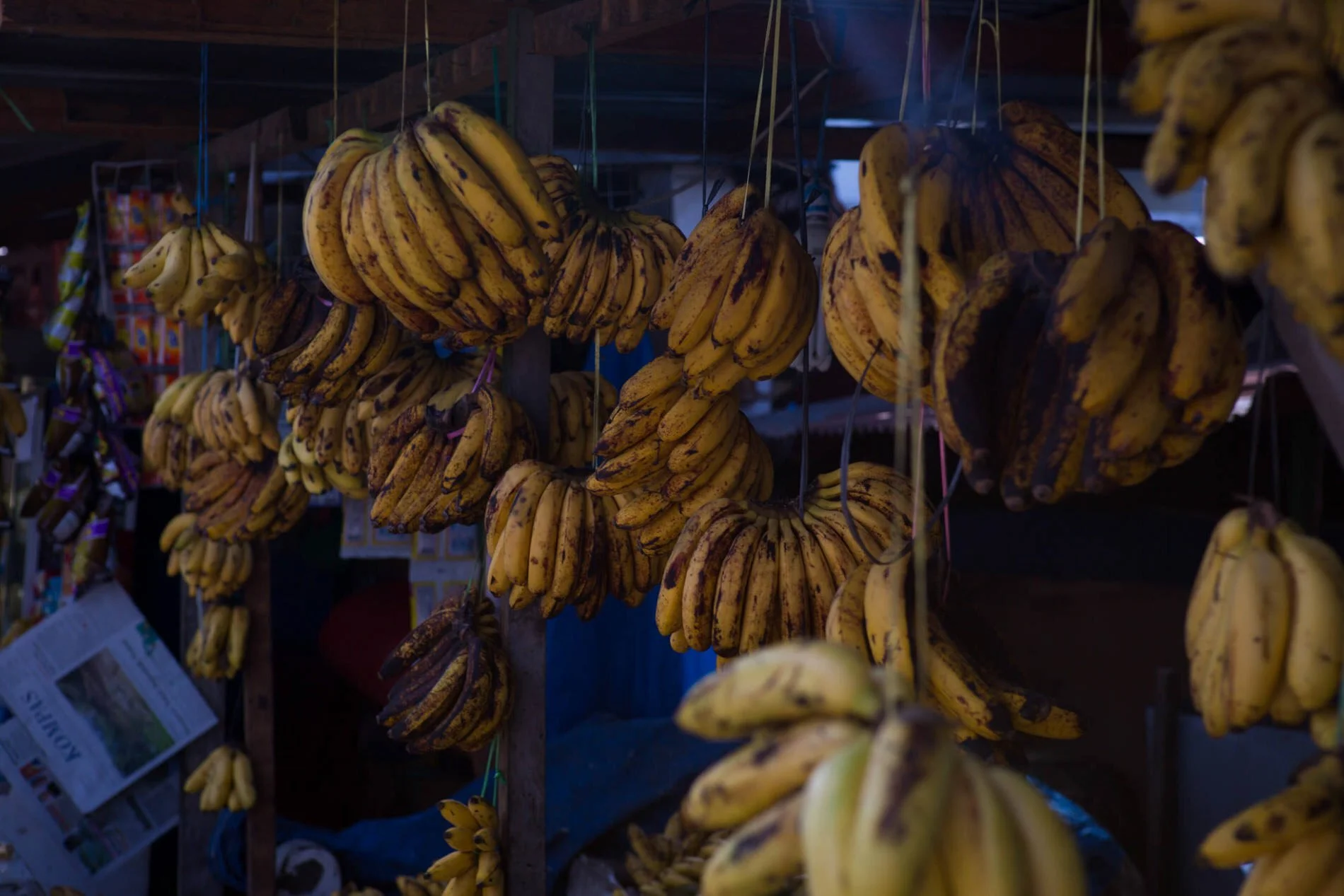
Palm oil plantations prevent anything else from growing in them and often trap or separate endangered wildlife. They consume an enormous amount of the limited fresh water available and have caused water shortages for nearby villagers. The wild forest is usually cleared by burning huge tracts, displacing or killing plants and animals in its wake. Everyone is complicit in this, as the global demand for palm oil feeds these actions. Palm oil can be found in everything from makeup and soap, to packaged foods eaten all over the world.
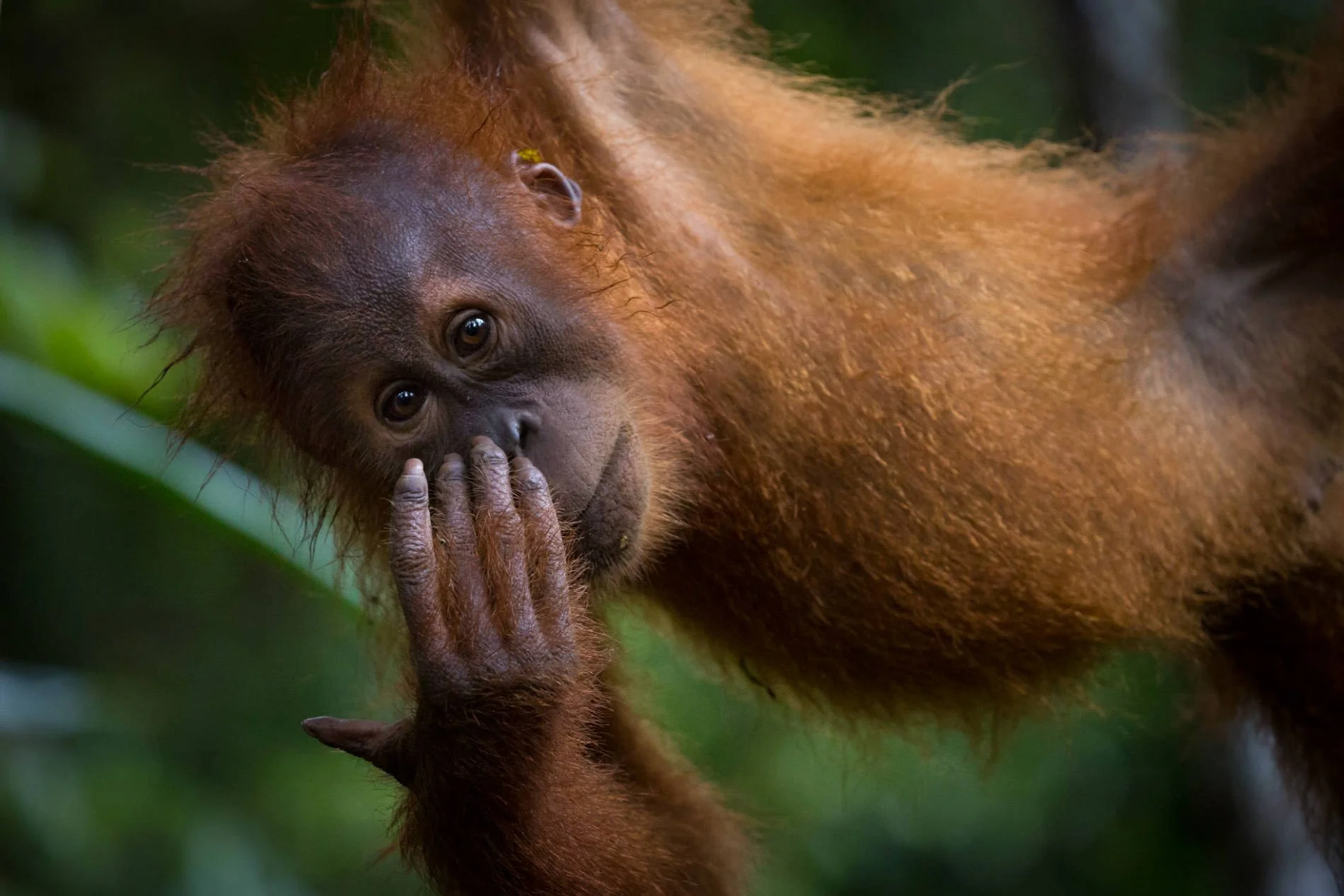
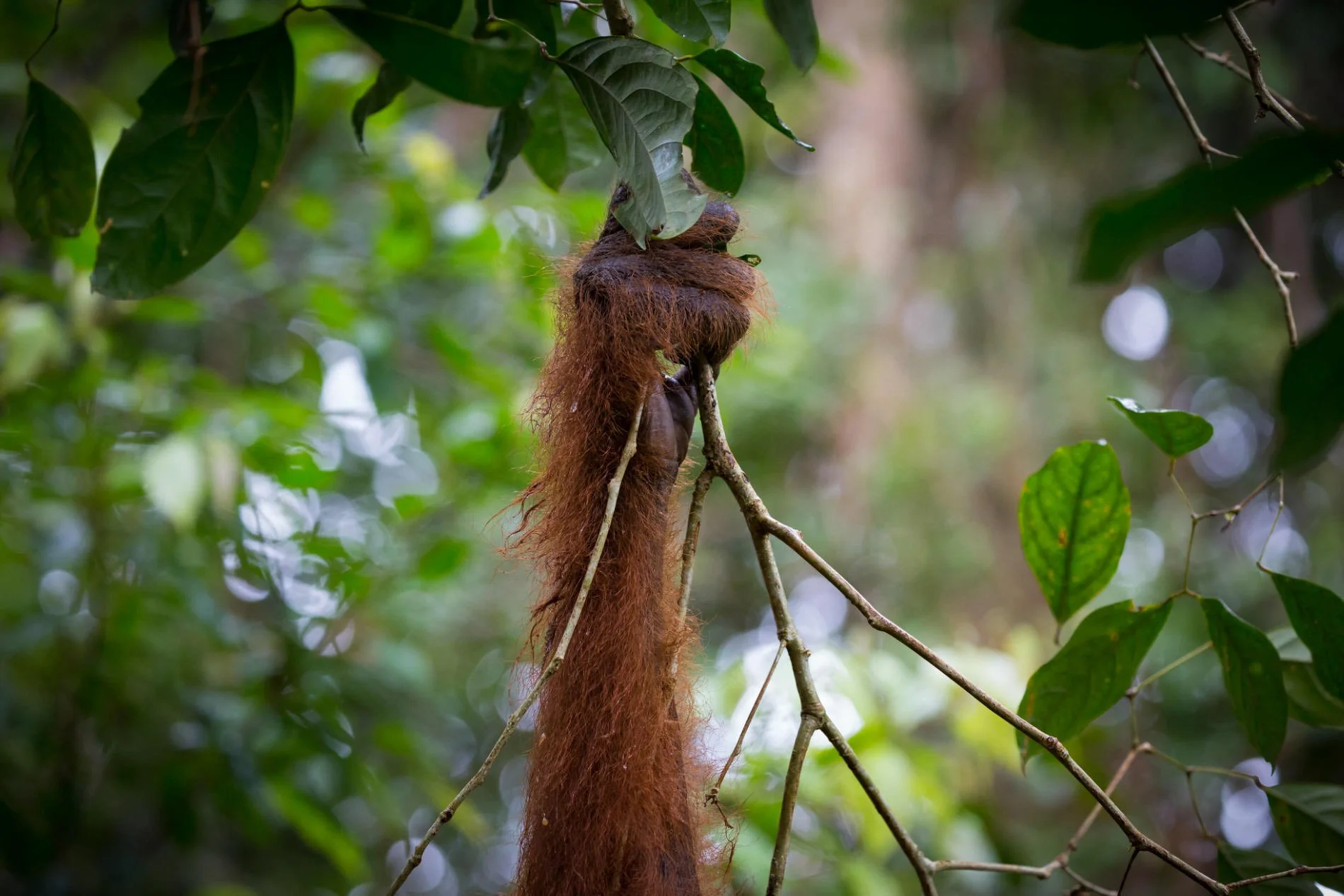
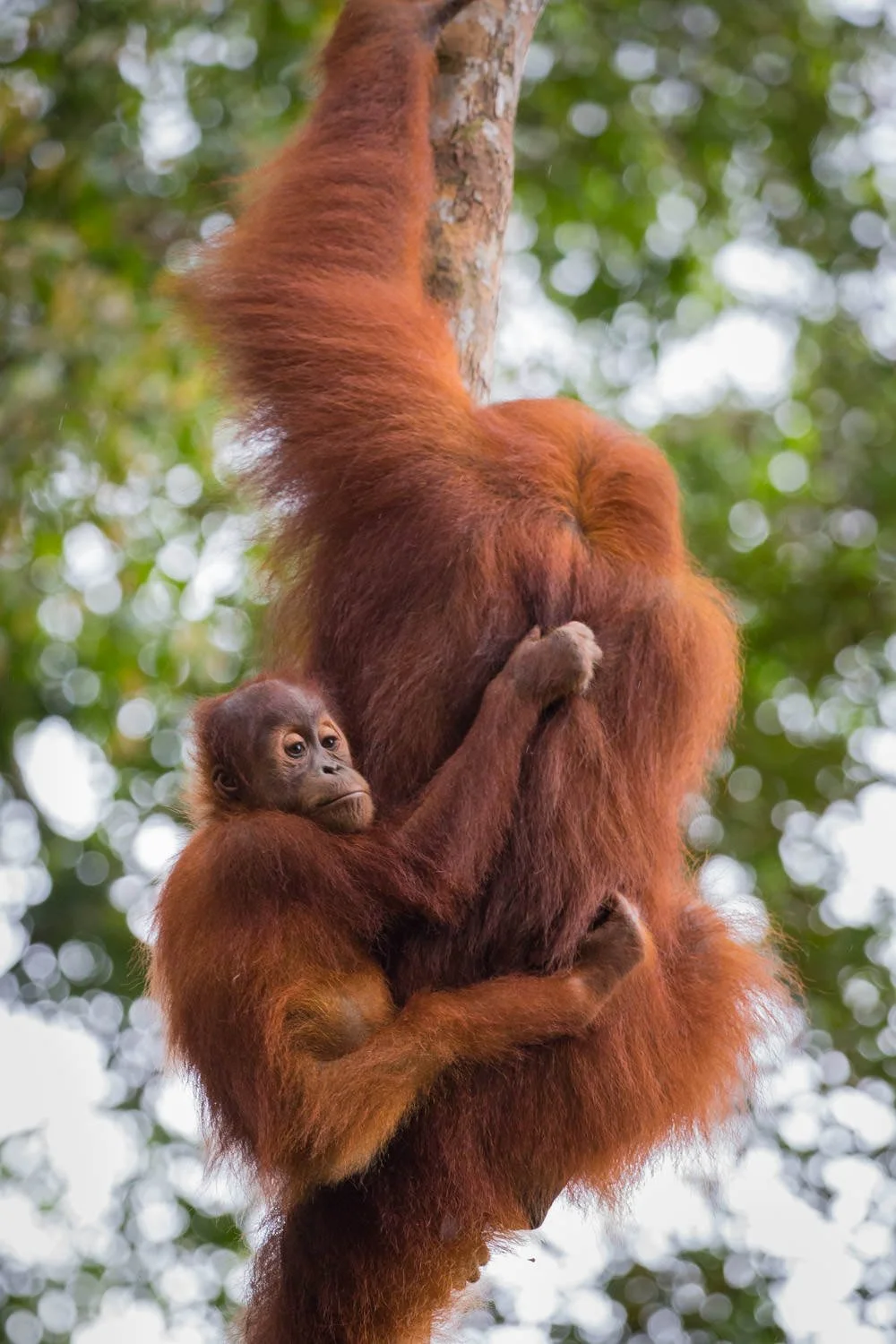
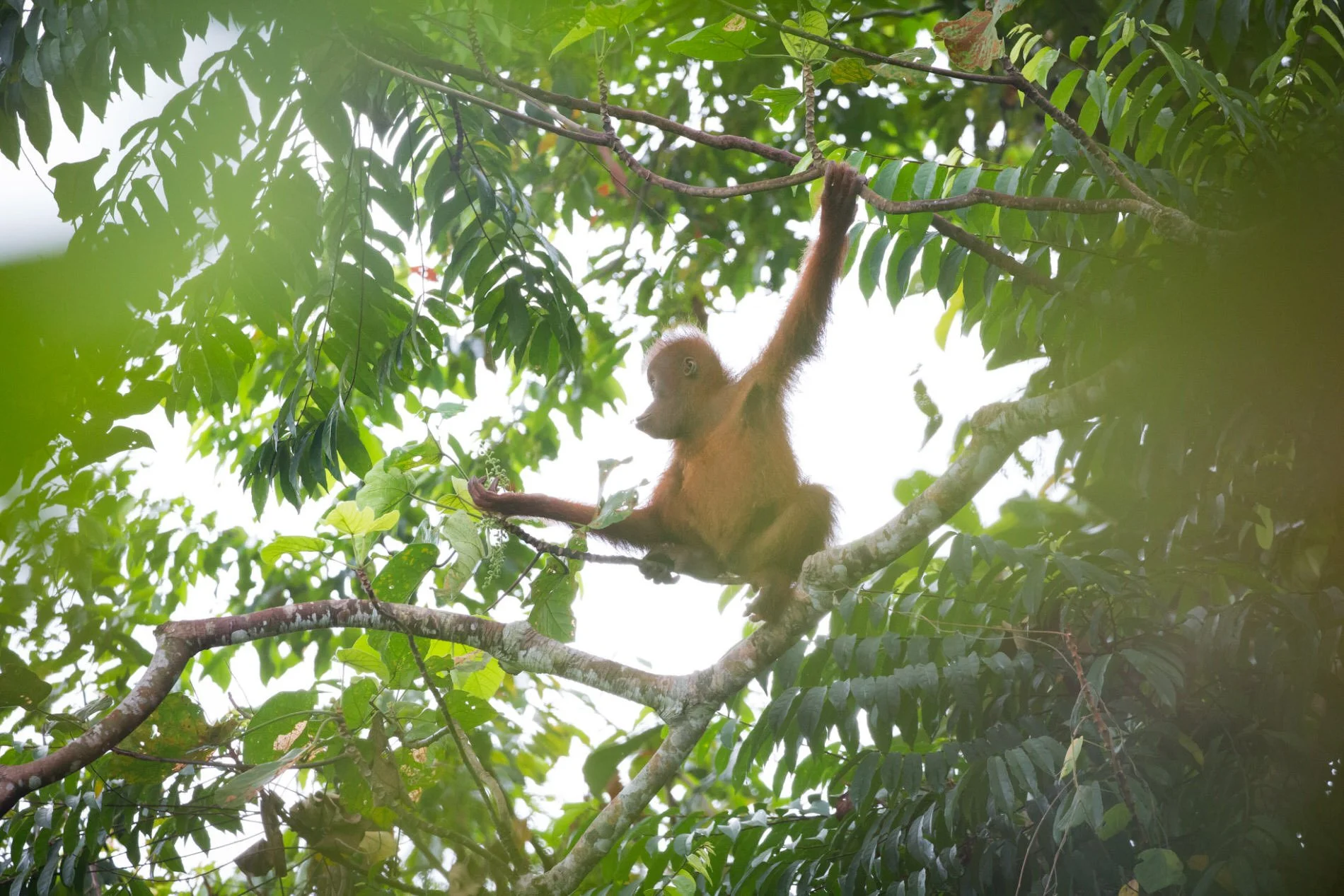
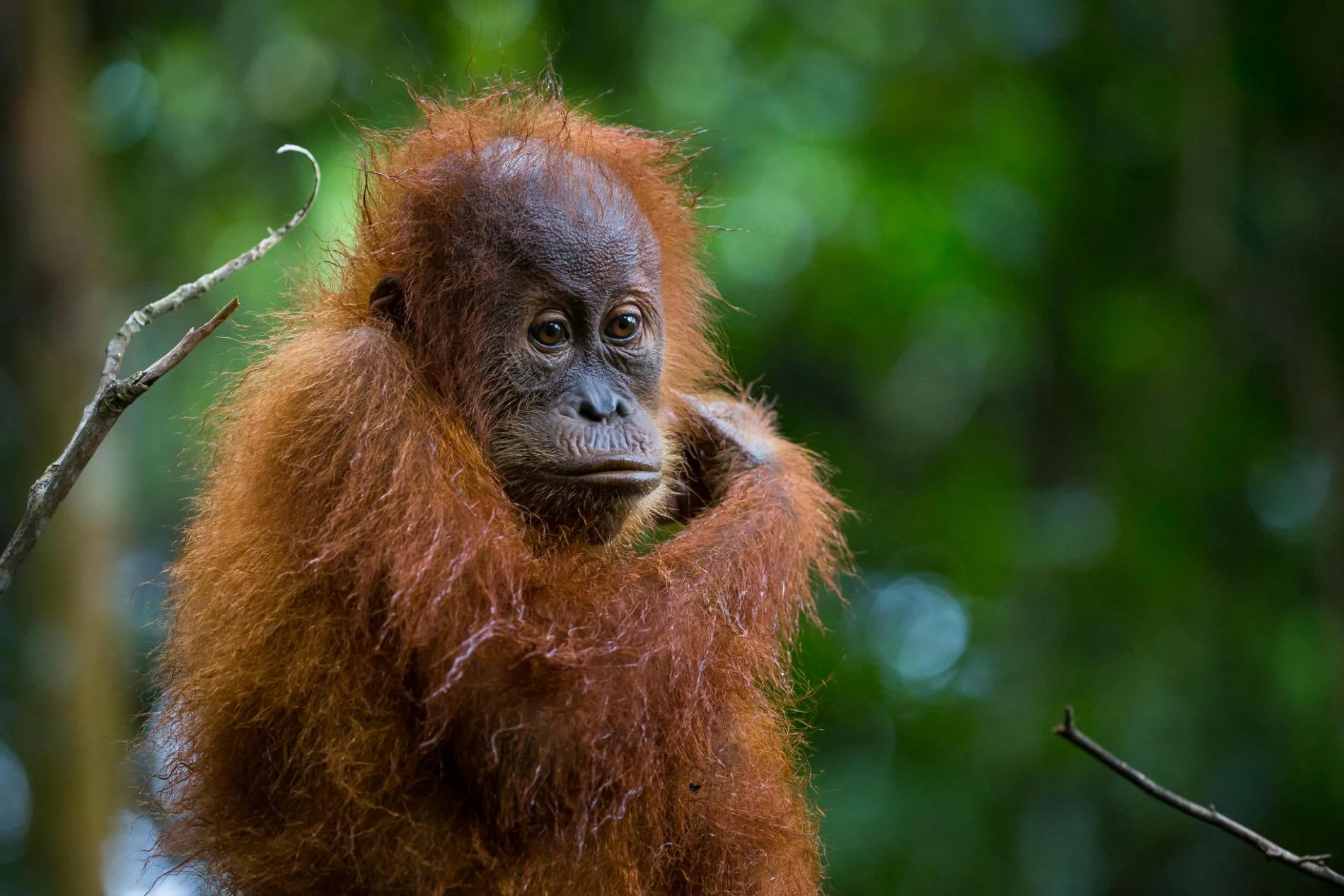
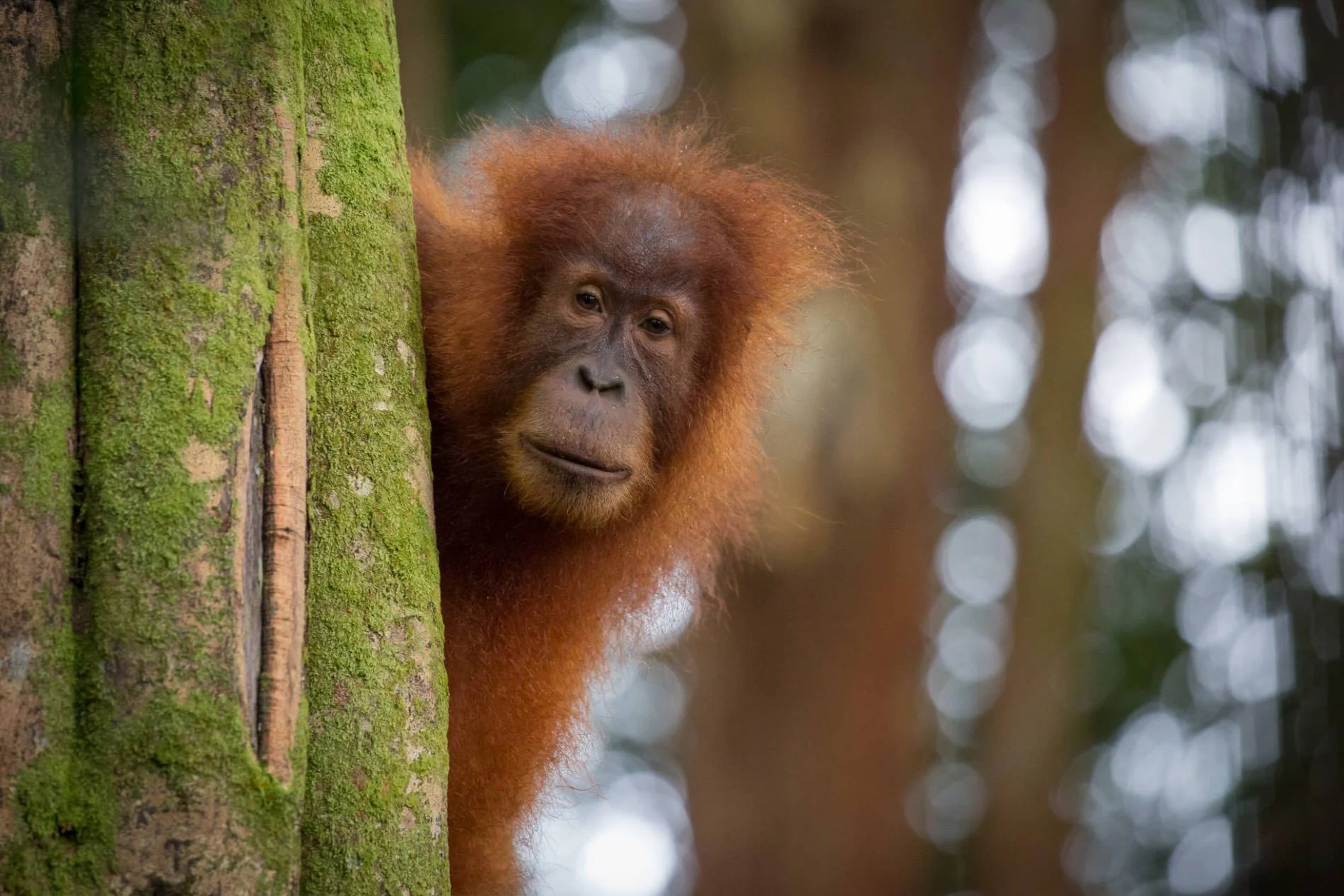
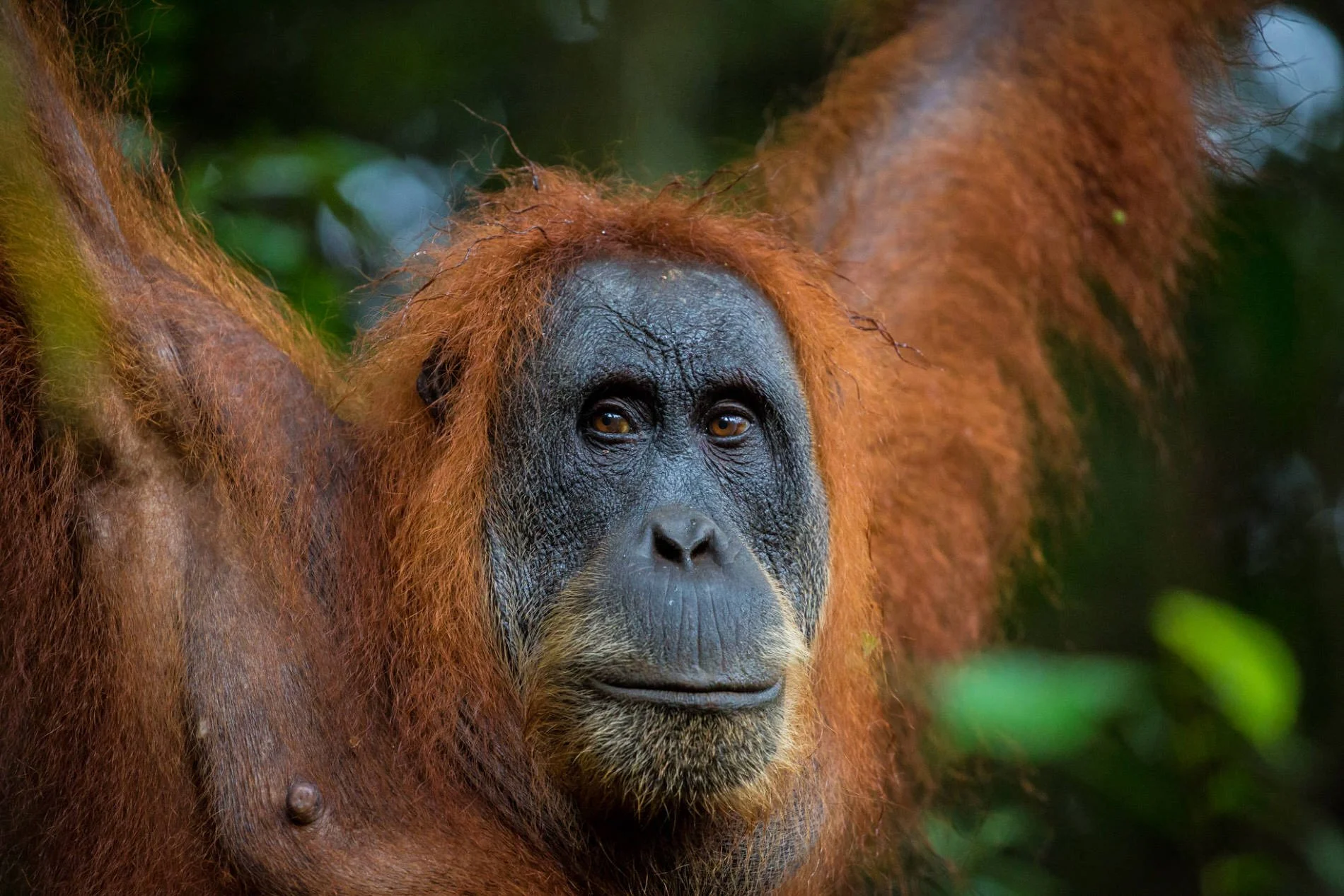
Sumatra orangutan are now critically endangered due to the palm oil plantations. Sadly, species trapped in these plantation areas often suffer a death sentence or torture in an attempt to rid the “pests” from the area. An increase in access roads has also encouraged illegal poaching for the pet trade. In order to capture baby orangutans, the mother is shot so they can pry away the baby. In one instance, an ex-poacher shared that he watched as a mother orangutan kissed her baby repeatedly as she took her last breaths. The evidence shows that these animals, who share 97% of human DNA, have compassion and feel emotion. Other orangutans are often found riddled with bullets in these plantations from workers trying to scare them away.
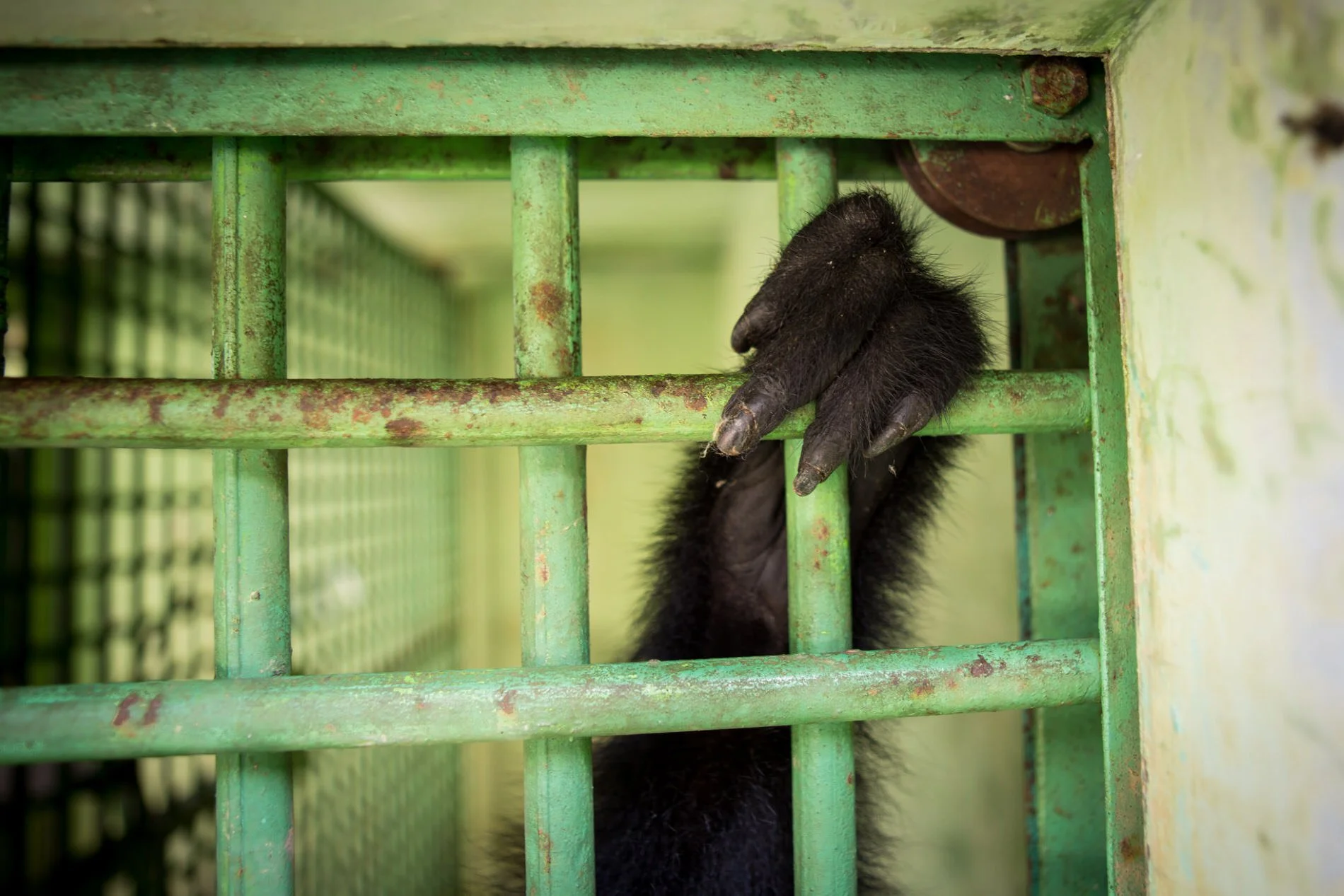
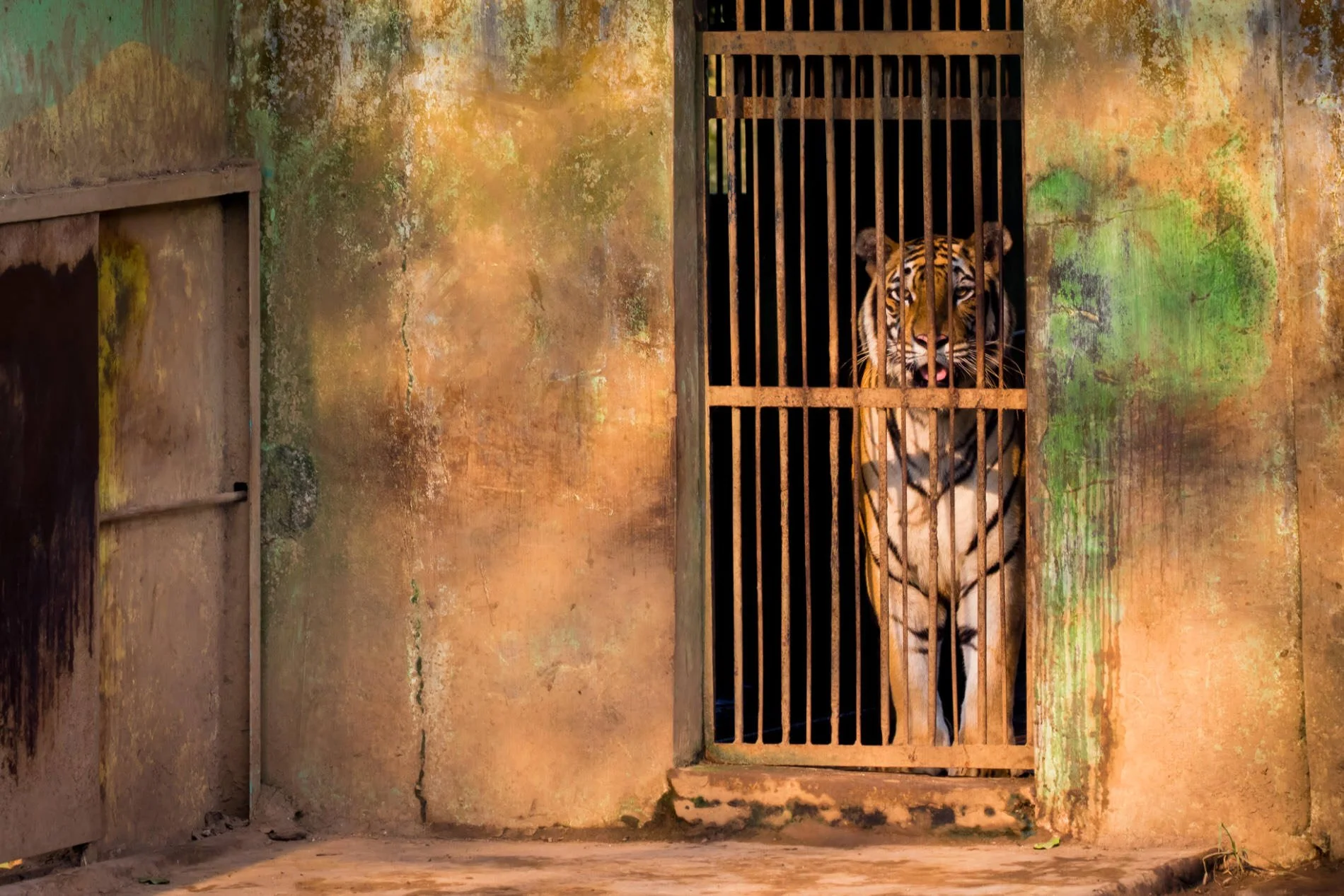
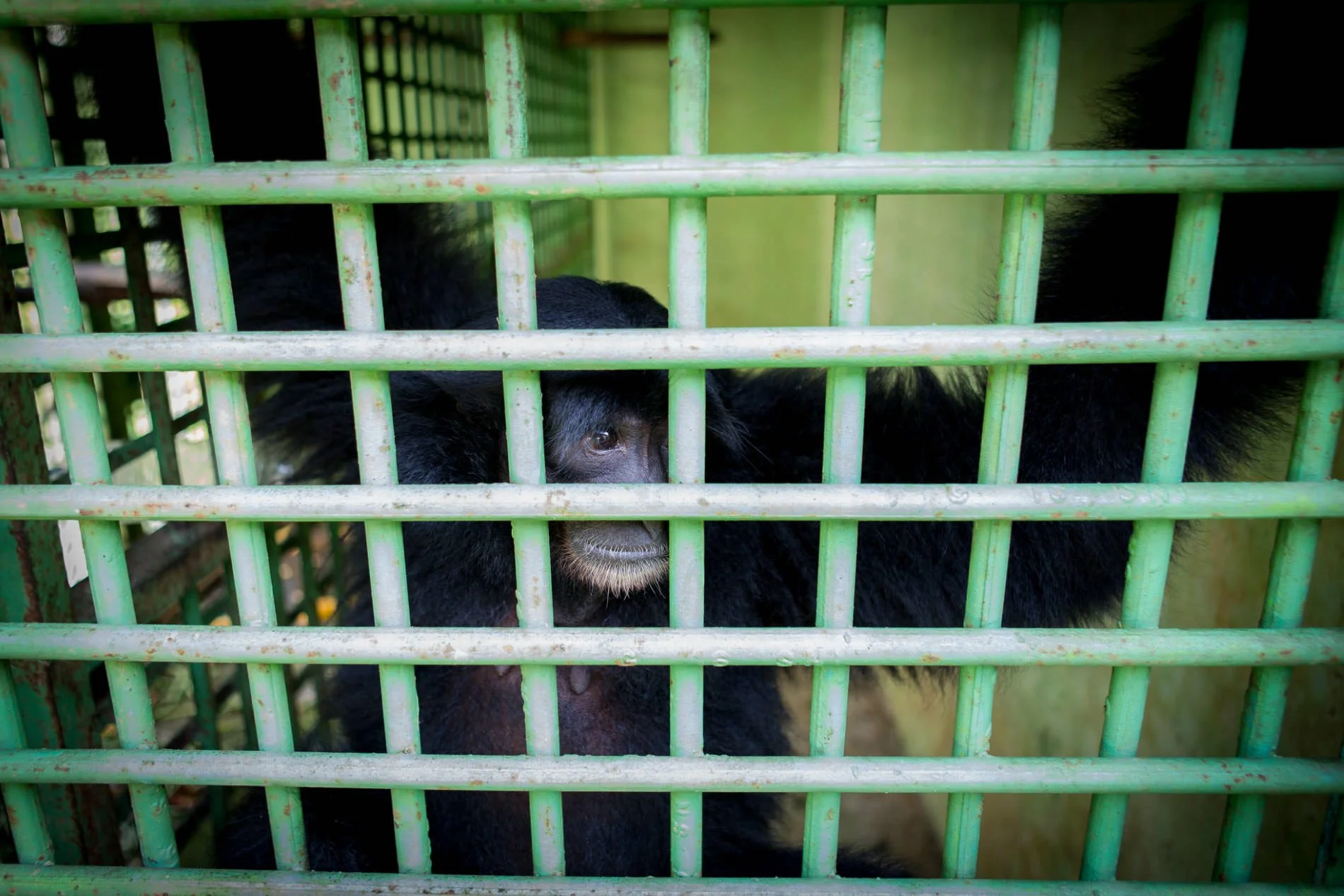
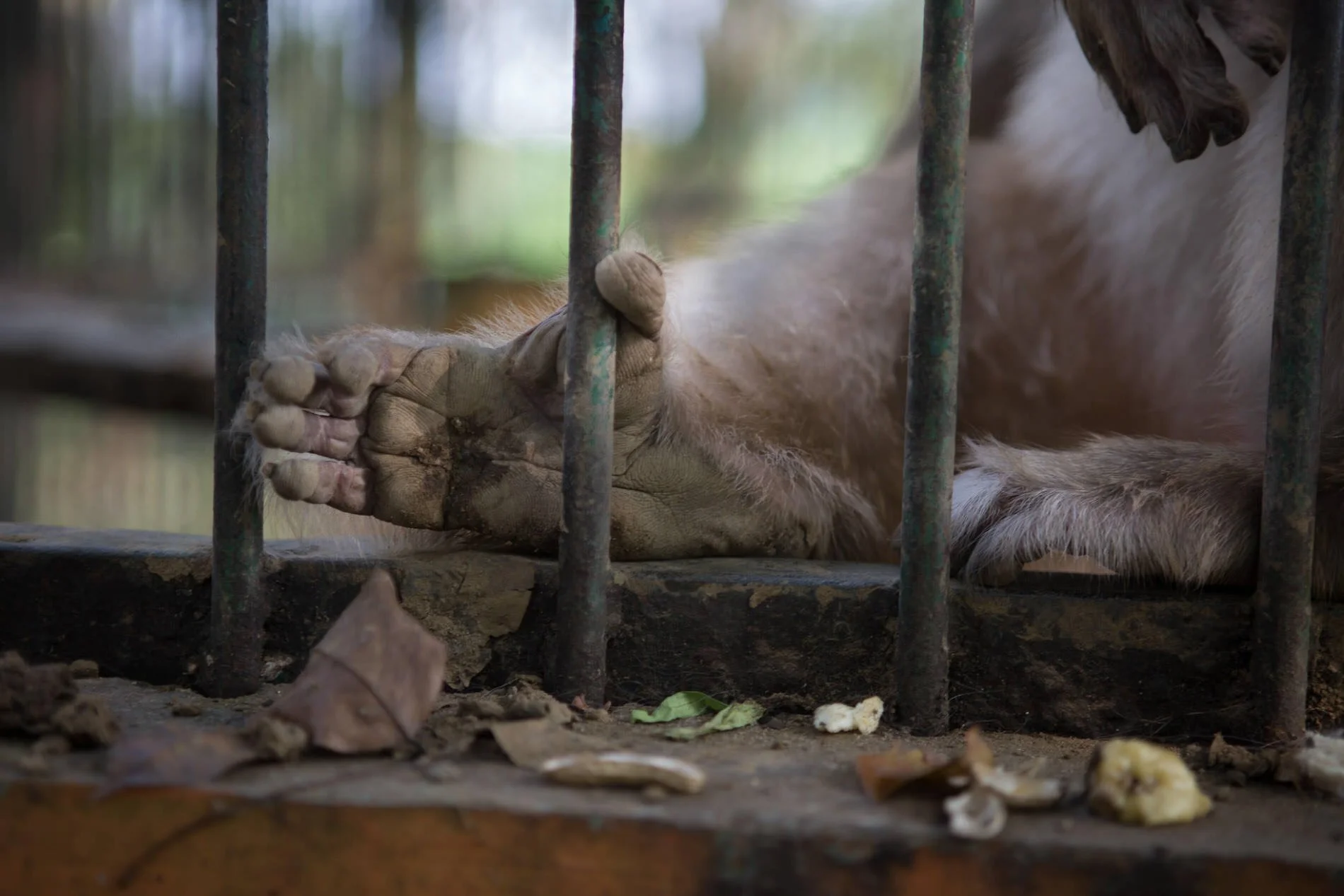
Too often, wildlife that is able to be “rescued” from plantations face a life of imprisonment rather than being able to be returned to their native habitat to be free in the wild. Reasons for this include a lack of available facilities and sanctuary land, health and/or behavioral concerns, or past captivity leaving animals unable to care for themselves. Unfortunately, this frequently results in creatures spending the remainder of their lives in less than ideal conditions.
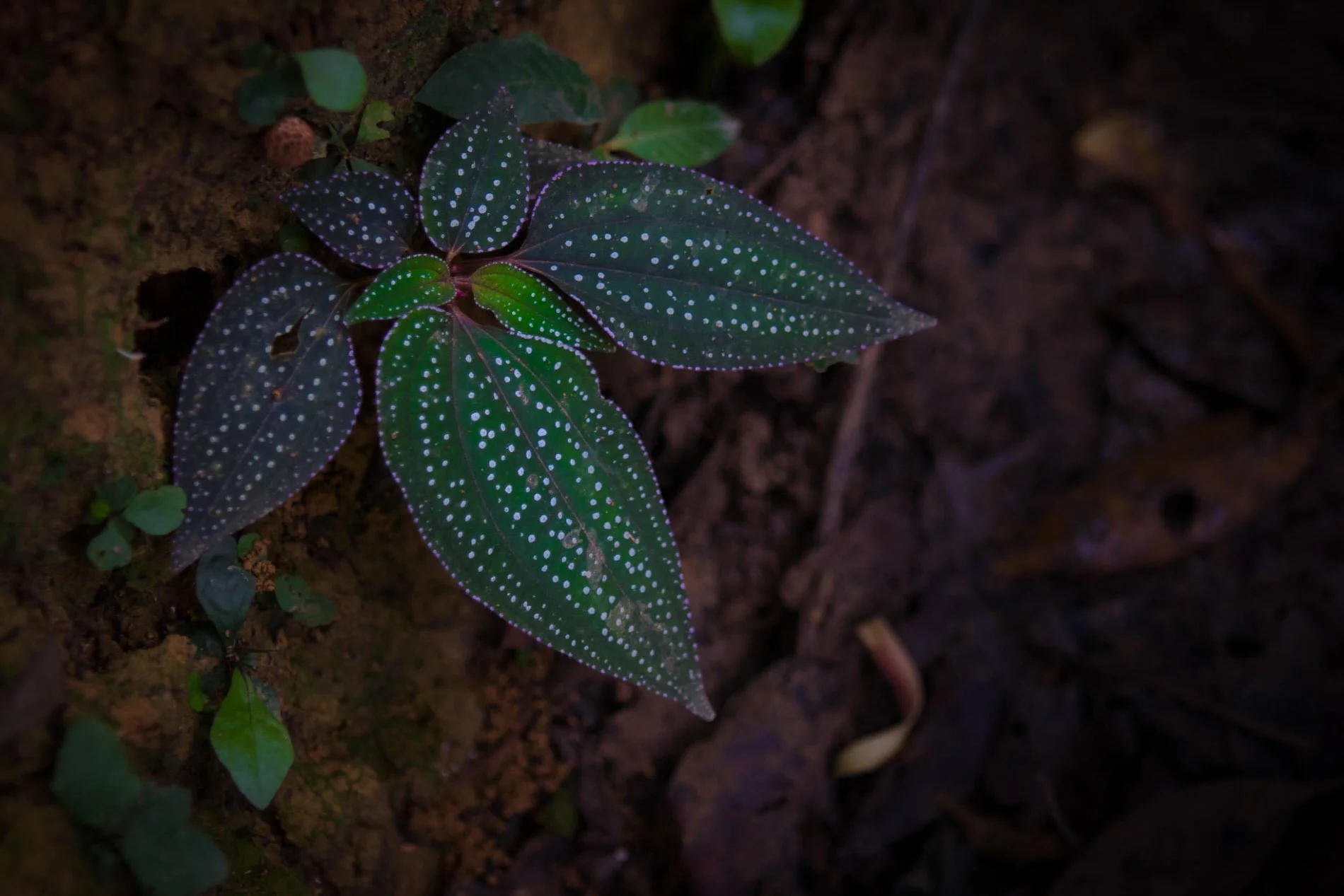
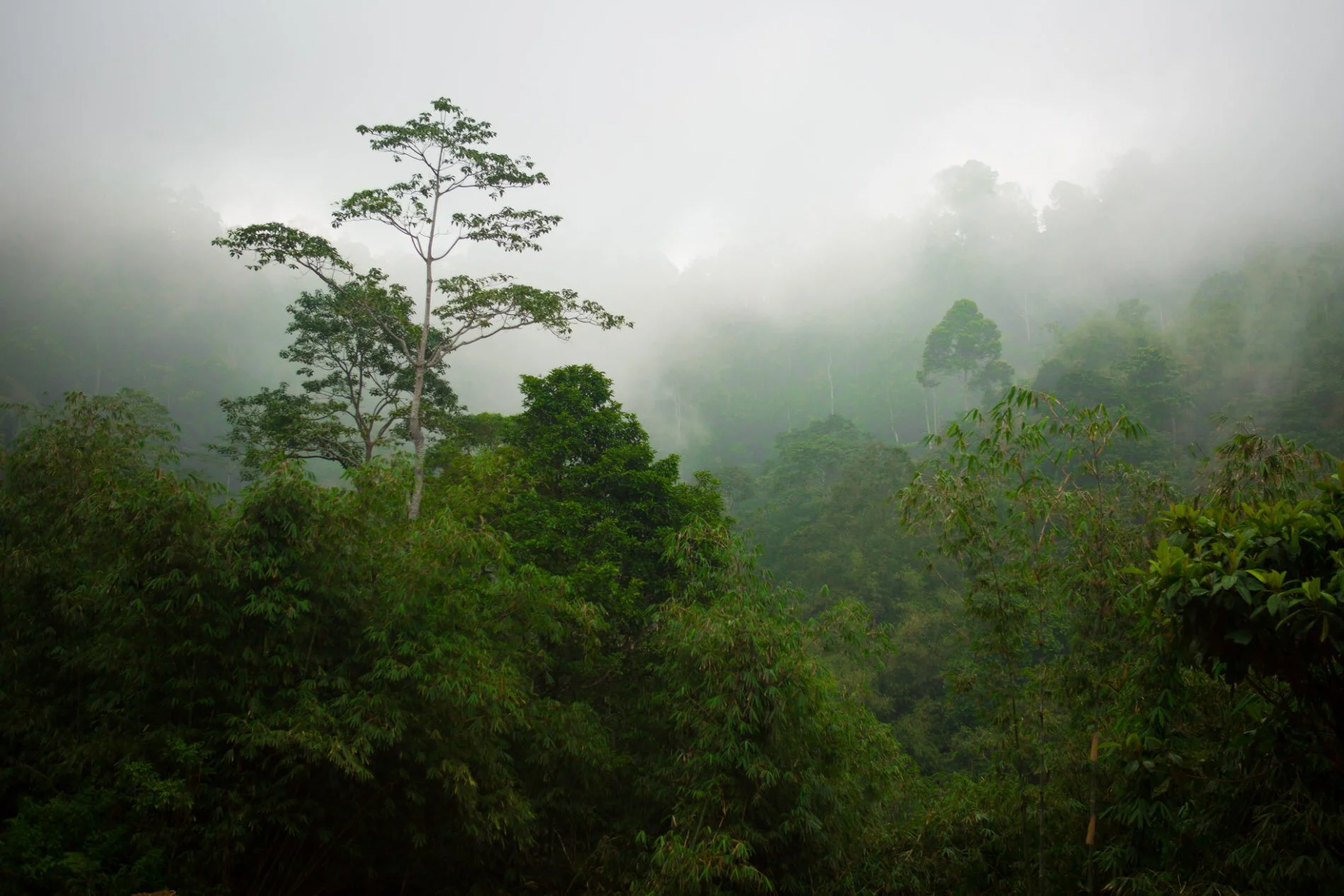
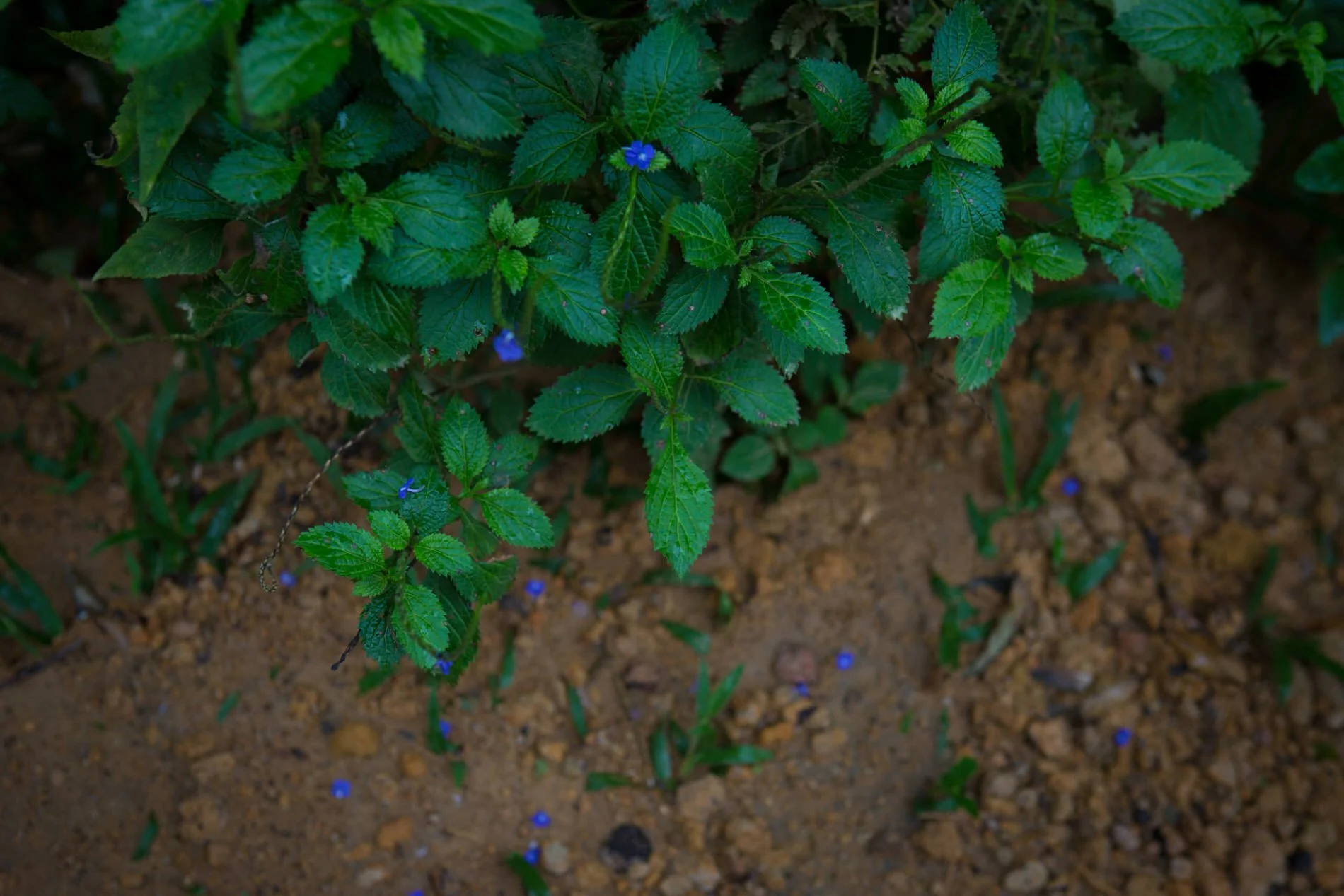
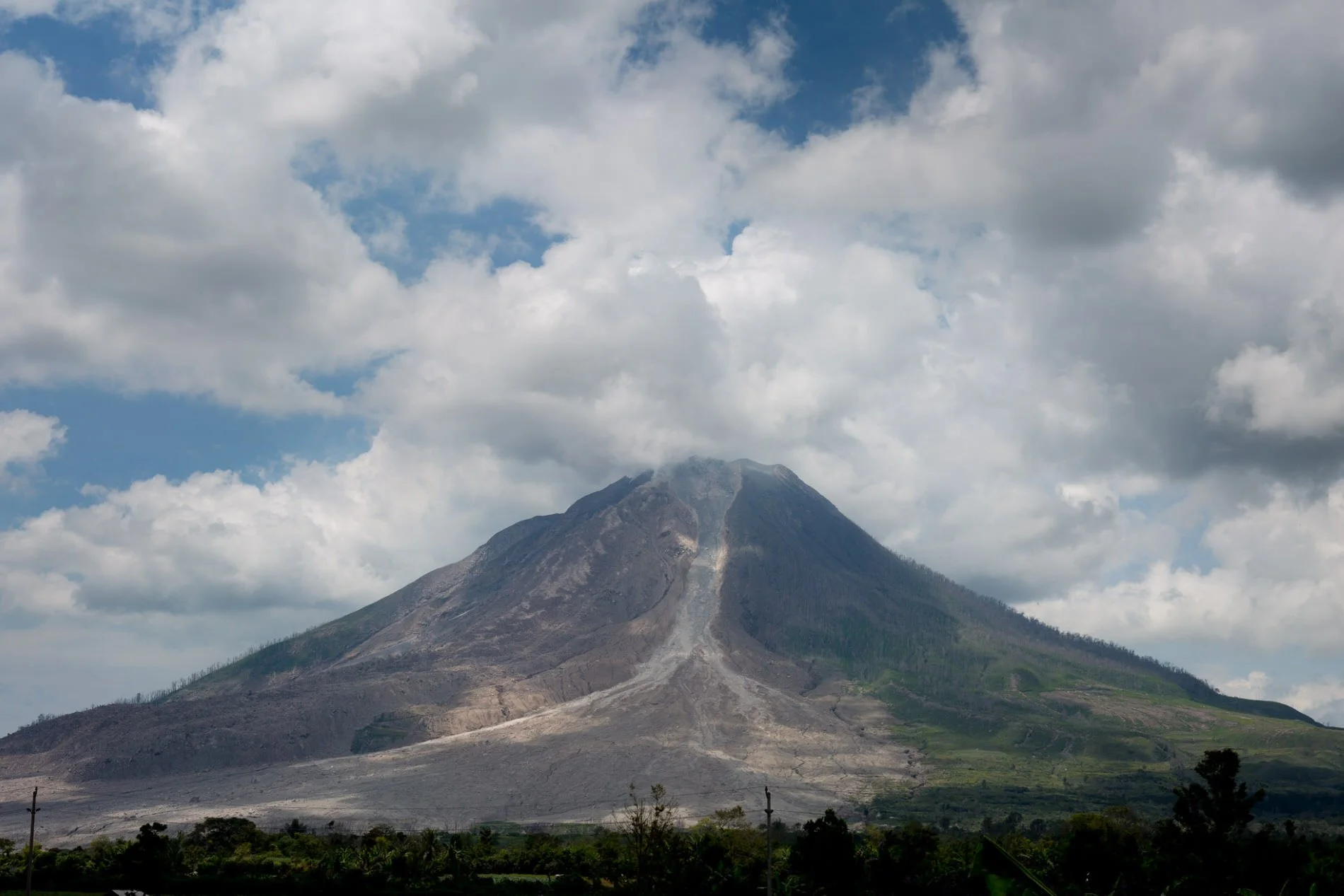
Shrouded by mist, remaining wild rainforest land is the promise of a home for animals with few places left to go. With over half of the natural forest destroyed in Sumatra in the last 30 years, protecting what’s left is crucial for species survival. Supporting land restoration, purchasing sustainable palm oil products, and donating to NGO’s working hard to save Sumatra are just some of the ways to preserve the wilderness that remains.